
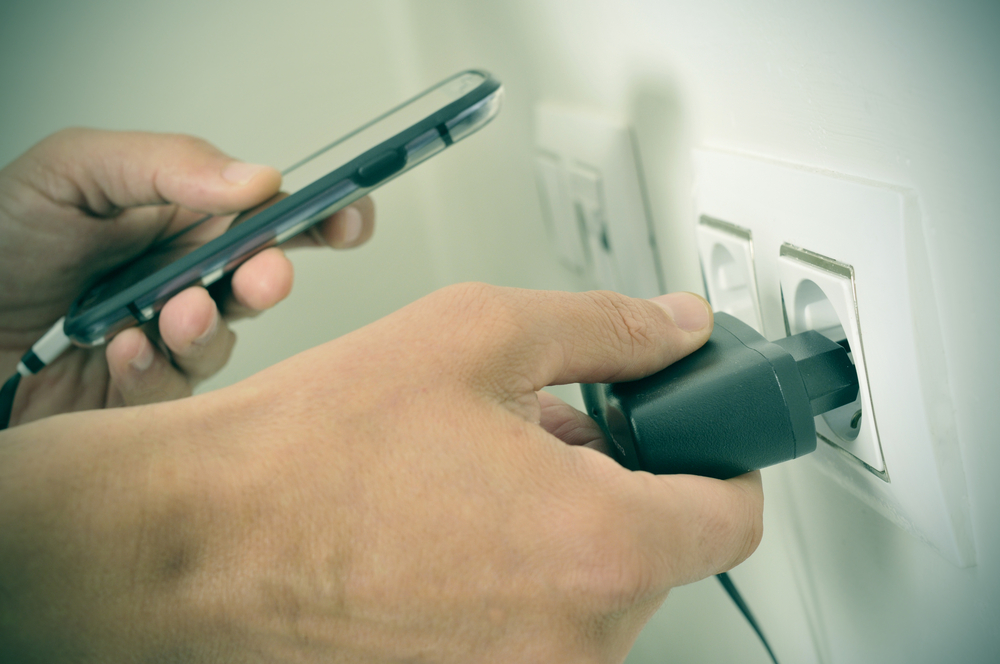
We live in a world where convenience often outweighs caution. It’s easy to leave a charger plugged in, thinking it’s harmless or too trivial to matter. Yet, the reality is that this small oversight can snowball into wasted money, added safety risks, and even hidden health concerns. With more devices in our homes than ever before, understanding the real cost of leaving chargers idle has never been more important.
The Hidden Cost of Idle Chargers
It often starts with something as simple as your phone charger left in the wall after a long day—out of sight, out of mind. Yet, these “little leftovers” can add up quickly. A report highlights that standby power—energy consumed by devices when they’re turned off but still plugged in—can cost the average U.S. household up to $165 annually, contributing to around $19 billion nationwide in wasted energy, and driving massive environmental consequences.
One of the biggest culprits? Chargers left plugged in without a device. These seemingly harmless habits not only inflate utility bills but also pose safety and environmental risks. From contributing to carbon emissions to increasing fire hazards, the evidence is mounting: unplugging makes a difference.
Leaving a charger plugged in might seem harmless, but that small habit carries hidden risks to your safety, health, wallet, and the environment. Here are six well-researched reasons not to leave chargers idle—and how unplugging can make a meaningful difference.
1. Energy Drain from Standby Power
Even without a device connected, chargers consume electricity—what’s known as “standby power” or “phantom load.” The U.S. Department of Energy notes that many household devices continue to draw power even when switched off, and this can be avoided by unplugging or using a switched power strip. This invisible drain might feel insignificant, but when you consider every household in a neighborhood or city doing the same, the wasted energy quickly becomes enormous.

Unplugging idle chargers is the simplest way to curb this waste. According to Efficiency Maine and the National Renewable Energy Lab, phantom loads can represent up to 15% of a device’s total energy use and cost the average household around $200 per year. That’s money spent on electricity you never actually used for powering your devices. For families working to cut monthly expenses, this is one of the easiest ways to see noticeable savings.
The impact extends beyond your own home. Reducing standby power not only lowers your bill but also eases strain on the energy grid and supports sustainability. During peak hours—when energy demand is high—every watt saved helps stabilize the grid and reduce the need for additional, often fossil-fuel-based, generation. A cleaner, more resource-conscious lifestyle starts with simple habits like unplugging, which benefit your household, your community, and the planet.
2. Increased Risk of Electrical Fires
Chargers left plugged in—especially older or uncertified models—can overheat, posing potential fire hazards. Turning them off or unplugging them is a quick fire-prevention tactic. The National Fire Protection Association (NFPA) attributes a significant number of house fires to small electronics and wiring.
Heat accumulation near fabrics, curtains, or bedding can make matters worse. When chargers are placed in cluttered areas or on flammable surfaces, the risk of ignition grows. Even high-quality chargers can be vulnerable if ventilation is poor or if they are damaged by repeated plugging and unplugging.
Ensuring your charger is unplugged when not in use gives you added safety—especially during sleep or extended absences. This small preventive step, combined with using certified chargers, can reduce the risk of electrical fires that cause thousands of injuries and millions in property damage each year.
3. Accelerated Wear and Tear of Chargers
Constant electricity flowing through idle chargers contributes to slow degradation of internal components like capacitors and insulation—extending their wear. This means that even when not actively charging a device, the charger is still “working” and gradually breaking down.
Over time, this degradation reduces charging efficiency. A charger that once powered up your phone quickly may begin to take longer, heat up faster, or stop functioning altogether. Replacing chargers more often also contributes to additional expenses and unnecessary electronic waste.
Experts note that unplugging can reduce premature wear and extend device lifespan. This applies even to chargers from trusted brands; preventing unnecessary heat buildup helps maintain performance and reliability over time. Treating chargers with care ensures they last longer and perform better.
4. Emission of Indoor Air Pollutants
Overheated plastics in chargers may release volatile organic compounds (VOCs), including formaldehyde or benzene—especially in poorly ventilated spaces. These pollutants can worsen indoor air quality, a concern that is often overlooked in discussions of charger safety. The EPA advises minimizing indoor pollutant sources to improve air quality.
For sensitive groups such as children, the elderly, or individuals with asthma, these emissions can be particularly irritating. While the quantities released by chargers are small, continuous exposure in poorly ventilated bedrooms or offices may have long-term effects.
By unplugging chargers, you reduce potential VOC emissions and support a healthier environment—especially in bedrooms, offices, or homes with respiratory sensitivities. Pairing this with proper ventilation and use of certified, high-quality electronics further improves indoor air safety.
5. Safety Risks to Children and Pets
Chargers left plugged in and within reach may tempt curious children or pets. Dropped or chewed cords can cause electrical shock or injury. According to the Consumer Product Safety Commission, taking simple steps to secure cords and unplug devices can prevent injuries in young children.
For pets, chewing cords can result in mouth burns, shock, or even accidental fires if the wiring is exposed. Veterinarians recommend keeping cords tucked away and unplugged when not in use to minimize temptation and danger.
Making this habit part of your routine fosters a safer environment for those most vulnerable. By simply unplugging chargers and storing them safely, you can avoid accidents and give your loved ones—both human and animal—a safer living space.
6. Contribution to E-Waste and Environmental Impact
Overused chargers that burn out prematurely often contribute to electronic waste. According to Natural Resources Canada, phantom loads contribute to avoidable emissions and unnecessary power generation.
E-waste is one of the fastest-growing waste streams worldwide. When chargers are overused or replaced more often than necessary, they add to this problem. Many of these discarded chargers end up in landfills where they leach toxic substances into soil and water.

As highlighted by Wired, devices left plugged in contribute to wasted energy on a global scale, adding billions to utility bills and CO2 output annually. Reducing idle energy use is a tangible step toward sustainability, extending the life of devices, cutting costs, and reducing environmental harm.
Simple Tips to Make Unplugging a Habit
It’s one thing to know the risks of leaving chargers plugged in, but another to turn that knowledge into daily action. Building new habits can feel daunting, yet the good news is that preventing wasted energy and unnecessary risks doesn’t require huge lifestyle changes. By adopting a few small practices, you can make unplugging second nature.
- Use power strips with on/off switches — turn off multiple devices at once without having to unplug them individually. This is especially helpful in areas where you charge several devices together, like a home office or living room.
- Set daily reminders — create a phone alert or smart home notification to remind you to unplug chargers before bedtime. Over time, this becomes an automatic step in your nightly routine.
- Use low-standby products — look for ENERGY STAR or “low standby” badges. These products are specifically designed to reduce energy draw when not in active use.
- Designate a storage spot — keep chargers tidy and out of reach from kids or pets. Having a set drawer or container ensures they’re not only unplugged but also safe from damage or accidents.
- Track your impact — use a smart plug or monitor to see how much energy you’re saving over time. Watching the numbers add up can be motivating and reinforce the value of the habit.
These small adjustments may feel simple, but their cumulative impact is powerful. They help you save money, improve safety, and reduce your environmental footprint—one unplugged charger at a time.
Power Down for Good: Small Habits, Big Impact
Unplugging your charger might seem like a minor act, but its benefits ripple through your home, health, finances, and the planet. From preventing fires and indoor air pollution to cutting your energy bill and extending the life of your electronics, this habit is a low-effort, high-impact change.

In an age of constant connectivity, where every outlet powers our busy lives, choosing to unplug is both symbolic and practical. It’s a reminder that the simplest actions can yield the greatest rewards—protecting your home from hazards, saving hard-earned money, and easing your environmental impact.
Taking a moment to disconnect—literally—may be one of the smartest health, safety, and sustainability habits you adopt. It is a small act of mindfulness that empowers you to safeguard your household while contributing to a healthier planet.
