
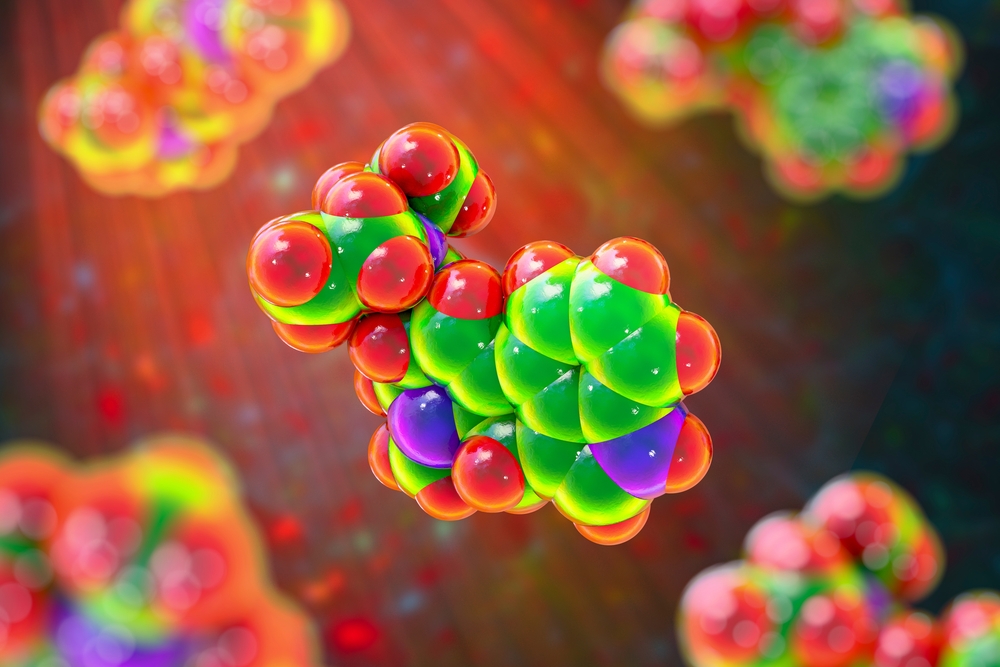
For decades, scientists studying psychoactive plants believed that morning glories were hiding something important. These plants were known to contain compounds closely related to lysergic acid, the same chemical backbone used to create LSD. The effects of these compounds were well documented, yet their true source remained unexplained. Plants themselves cannot produce ergot alkaloids, leaving researchers with an unanswered question that persisted for generations. The mystery lingered in scientific literature as a hypothesis without physical proof, even though the chemistry strongly suggested a fungal origin.
That long search has now reached a turning point. A newly identified fungus living quietly inside morning glory plants has been discovered and genetically sequenced for the first time. Found by a university student through careful observation rather than accident, this organism confirms a theory first proposed nearly a century ago. Beyond solving a botanical puzzle, the discovery has meaningful implications for medicine, especially as interest grows in therapies related to depression, trauma, and addiction that draw inspiration from psychedelic compounds.
How the Fungus Was Discovered Inside Morning Glories
The discovery took place at West Virginia University, where Corinne Hazel, an environmental microbiology student, was studying how morning glory plants distribute protective chemicals through their roots. While examining seed coats from stored plant samples, she noticed something unusual. As Hazel explained, “We had a ton of plants lying around and they had these tiny little seed coats. We noticed a little bit of fuzz in the seed coat. That was our fungus.” What appeared insignificant at first turned out to be the key to a scientific mystery that had remained unresolved for decades.
Further investigation confirmed that the fuzz was a fungus living in close partnership with the plant. Hazel worked alongside Daniel Panaccione, a professor of plant and soil sciences, to isolate the organism and prepare it for genetic analysis. With funding from a student research grant, the DNA. was sent for full genome sequencing. The results confirmed that the organism was a new species, later named Periglandula clandestina to reflect how effectively it had avoided detection. Panaccione emphasized the importance of the achievement by saying, “Sequencing a genome is a significant thing. It’s amazing for a student.”
The genome sequence was deposited in a public gene bank, officially marking the fungus as a new species and permanently associating Hazel’s name with the discovery. This step transformed a visual observation into a scientific landmark and provided researchers worldwide with access to genetic data that could support future studies in biology, agriculture, and medicine.
Why Scientists Have Been Searching for This Fungus for So Long
Morning glories have long been associated with psychoactive properties because they contain lysergic acid derivatives. These compounds are chemically similar to LSD and can affect perception and consciousness. However, scientists knew that such alkaloids are produced exclusively by fungi, not plants. This contradiction suggested that an unseen fungal partner must be involved, yet repeated attempts to locate it had failed.
Daniel Panaccione explained the historical context by stating, “Morning glories contain high concentrations of similar lysergic acid derivatives that give them their psychedelic activities.” He added that this chemical similarity inspired earlier scientists, including Albert Hofmann, to search for a hidden fungus related to ergot fungi. Despite identifying the chemicals themselves, researchers were unable to locate the organism responsible for producing them. The theory was accepted, but proof remained elusive.
The discovery of Periglandula clandestina finally confirms that morning glories live in symbiosis with a fungus that manufactures these alkaloids. The plant benefits from chemical protection against pests, while the fungus receives nutrients and shelter. This quiet partnership explains why the fungus was so difficult to detect and why the mystery endured for so long.

Ergot Alkaloids, LSD, and Medical Potential
Ergot alkaloids have a complicated relationship with human health. In uncontrolled forms, they can be toxic to humans and livestock and have historically caused serious outbreaks of poisoning when found in contaminated grain. At the same time, modified versions of these compounds have been used therapeutically for decades. Clinicians have prescribed them for migraines, uterine bleeding, Parkinson’s disease, and other conditions, though side effects remain a concern.
LSD itself was created when Albert Hofmann chemically modified an ergot alkaloid in the late 1930s. Today, related compounds are being studied for their effects on depression, post-traumatic stress disorder, and addiction. The discovery of a fungus that efficiently produces these precursors offers researchers a new biological model to study how these chemicals are made and how their effects might be refined.
Panaccione addressed this balance between risk and benefit by explaining, “Many things are toxic. But if you administer them in the right dosage or modify them, they can be useful pharmaceuticals.” By understanding how Periglandula clandestina produces alkaloids so efficiently, scientists hope to find ways to reduce unwanted effects while preserving therapeutic value.

Why Genome Sequencing Changes the Conversation
Sequencing the genome of this fungus provides researchers with a detailed map of the genes responsible for alkaloid production. This information allows scientists to trace each step in the chemical process, opening opportunities to study how these pathways might be altered or controlled. Instead of relying entirely on chemical synthesis, researchers may be able to learn from nature’s own methods.

This genetic insight also has agricultural implications. Ergot alkaloids can contaminate crops and pose risks to food systems. Understanding how fungi produce these compounds could support safer farming practices while still allowing beneficial research to continue. The discovery therefore connects plant science, microbiology, medicine, and agriculture in a single line of inquiry.
Hazel has continued her work by exploring ways to culture the slow growing fungus in laboratory settings. She is also interested in whether other morning glory species may contain similar fungal partners that have not yet been described. Her reflection on the discovery captures its significance: “People have been looking for this fungus for years, and one day, I look in the right place, and there it is.”
When Nature Still Has Secrets to Share
The sequencing of Periglandula clandestina is a clear reminder that even plants we believe we understand can still conceal complex biological relationships. Morning glories have been cultivated, studied, and referenced for centuries, yet an entire fungal partner remained hidden within their tissues. This discovery did not emerge from large automated screening programs or high throughput modeling. It came from careful observation, patience, and a willingness to question why the chemistry did not match what biology was supposed to allow. That contrast between expectation and evidence is often where meaningful science begins.

What makes this finding especially striking is how long the answer existed in plain sight. Researchers had already identified the alkaloids, traced their effects, and theorized their origin, yet the organism responsible continued to escape detection. The discovery reinforces the idea that scientific progress does not always depend on new technology alone. It often depends on looking more closely at familiar systems and remaining open to the possibility that something important has been overlooked. In this case, a student’s curiosity bridged a gap that had persisted for decades.
As interest grows in natural compounds that influence brain chemistry, this discovery offers a grounded example of how biology creates powerful molecules through quiet partnerships. Fungi and plants have coevolved for millions of years, refining chemical pathways that modern medicine is only beginning to understand. Studying these relationships at their biological source allows researchers to examine not just the compounds themselves, but the conditions that shape their effects, their efficiency, and their risks.

Looking ahead, the implications extend beyond any single fungus or plant species. This work encourages a broader appreciation for symbiotic systems and their relevance to human health. By learning how nature produces complex neuroactive substances with precision and balance, scientists may be better equipped to design therapies that respect biological limits rather than override them. In that sense, discoveries like this one do more than solve old mysteries. They quietly reshape how medicine, agriculture, and biology can move forward together.
