
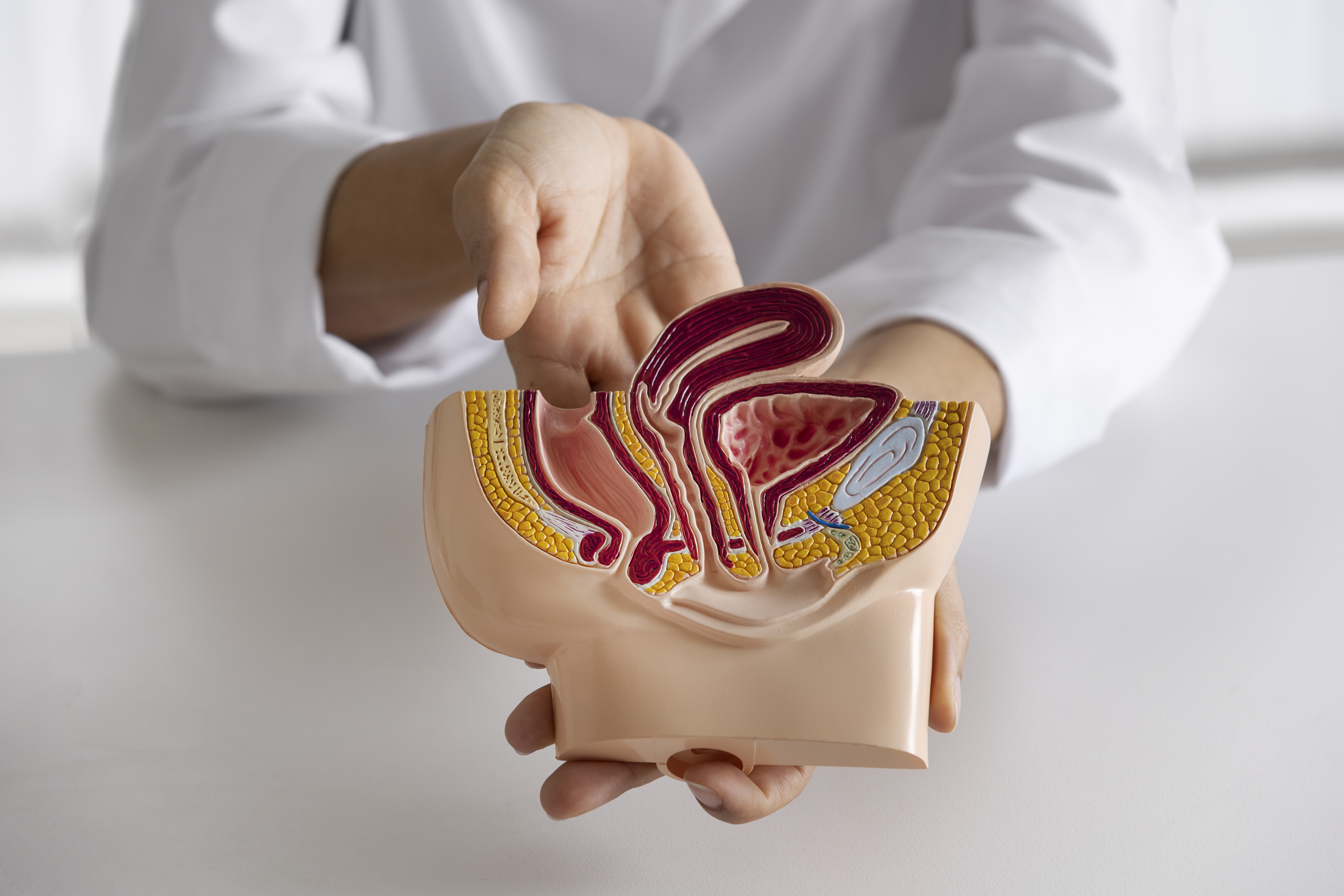
For centuries, medical science has missed something right in front of our eyes. It’s not a new discovery hidden deep within the body—it’s something that’s been there all along, quietly holding the intestines in place. That’s right: the mesentery, once thought to be just a collection of tissue connecting the intestine to the abdominal wall, has officially been classified as an organ.
This shift isn’t just about a change in terminology. It opens the door to a whole new way of thinking about human anatomy and health. The mesentery is more than just structural support—it’s involved in processes that affect our digestion, immunity, and even conditions like obesity, cancer, and cardiovascular disease.
What Is the Mesentery?

At first glance, the mesentery might seem like a minor part of the digestive system. It’s a fold of tissue that connects the intestines to the abdominal wall, providing structural support to keep everything in place. But recent research has revealed that this seemingly simple structure is far more complex than we ever realized.
Traditionally, the mesentery was viewed as a mere connective tissue, helping to anchor the intestines and supporting blood vessels and lymphatic systems. For years, scientists had no idea just how crucial it was to our body’s overall function. However, as researchers began to take a closer look, they discovered something astounding: the mesentery is continuous and interconnected in ways that make it function like a true organ, similar to the liver or heart.
What makes the mesentery stand out is its unique structure. It’s a fan-shaped tissue that stretches across the abdominal cavity, connecting the intestines from the duodenum (the first part of the small intestine) to the rectum. This means it plays a central role in the movement and function of the digestive system. But beyond that, it’s increasingly clear that the mesentery has deeper involvement in various health issues, including inflammation, cancer, and metabolic diseases.
In essence, the mesentery is a vital component of our body’s infrastructure, with a far-reaching role that scientists are only beginning to fully appreciate. Now that it’s officially recognized as an organ, it’s opening new doors to research and potential medical breakthroughs.
How the Mesentery Was Discovered as an Organ

The journey to understanding the mesentery as an organ didn’t happen overnight. For centuries, the mesentery was largely ignored or misunderstood by scientists. In fact, it wasn’t until the late 20th century that researchers began to appreciate its true nature.
The turning point came when scientists started examining the mesentery’s structure more closely, using advanced imaging techniques and human cadaver studies. One of the key breakthroughs came from an observational study involving total mesocolic excision, where researchers found that the mesentery was not fragmented as once believed but rather continuous from the small intestine all the way to the rectum. This was the game-changer: the mesentery wasn’t just a loose collection of tissue but a unified, functional structure.
A significant contribution to this discovery was the work done using the Visible Human Project, a comprehensive dataset that provides detailed, cross-sectional photographs of human anatomy. Using this resource, scientists were able to clearly map the mesentery’s continuity and connections, revealing how it spans across the abdominal cavity and connects various organs. These findings were crucial in shifting the perspective on the mesentery from a passive structure to a dynamic, functional one.
Dr. Calvin Coffey, a leading researcher in this field, played a pivotal role in these studies. His team’s work has been instrumental in redefining the mesentery as an organ, sparking global discussions and reshaping how the medical community views this part of the body. According to Dr. Coffey, “The mesentery’s distinct anatomy and function should be recognized for what it truly is—an organ that plays a vital role in human health.”
This reclassification opens up new avenues for research and could lead to better diagnostic tools and treatments for a variety of conditions. The fact that the mesentery is so intricately connected to both the digestive system and the immune system shows just how critical it is to our overall health.
Why It’s Considered an Organ
So, what exactly makes the mesentery an organ, and why was it only recently classified as such? To answer that, it’s important to understand what defines an organ in the first place. An organ is typically characterized by a collection of tissues that work together to perform specific functions within the body. These functions can range from supporting bodily structures to regulating metabolic processes or immune responses.
For a long time, the mesentery was viewed as a simple support structure, connecting the intestines to the abdominal wall. However, recent research has shown that the mesentery meets all the criteria of an organ: it has a distinct and complex structure, it performs several critical functions, and it interacts with multiple other systems in the body.
One of the key factors that led to the mesentery’s reclassification was the discovery of its continuous and integrated structure. Unlike previous assumptions that the mesentery was fragmented and localized to different sections of the intestines, researchers found that it’s actually one continuous tissue network that stretches from the small intestine to the rectum. This continuity is a hallmark of organs, which are typically interconnected and seamless.
Furthermore, the mesentery plays a crucial role in several physiological processes. It serves as a conduit for blood vessels, nerves, and lymphatic tissue, all of which help regulate digestion, nutrient absorption, and immune function. It also aids in the body’s ability to repair and regenerate tissues, which is a characteristic of organs that contribute to overall bodily homeostasis.
The Role of the Mesentery in Human Health

The mesentery is far more than just a structural component in the digestive system. It plays a significant role in digestion, immunity, and several key health conditions.
1. The digestive system
The mesentery anchors the intestines to the abdominal wall, ensuring proper function and nutrient absorption. Its fan-like structure allows the intestines to move freely, facilitating digestion even as we shift positions throughout the day.
2. The immune system
Containing lymph nodes, the mesentery helps defend the body by filtering harmful substances from the intestines. It’s crucial in triggering immune responses, helping to prevent infections and supporting overall gut health.
3. Mesentery and disease development
The mesentery is involved in a range of health conditions, especially those related to inflammation. For example, in Crohn’s disease, mesenteric fat wrapping contributes to disease progression. Similarly, the mesentery’s interaction with the immune system links it to autoimmune disorders and gastrointestinal cancers, including colorectal cancer.
4. Potential for new treatments
Given the mesentery’s connection to metabolic conditions like obesity and diabetes, it holds promise as a target for future treatments. By regulating mesenteric fat and inflammation, therapies could potentially improve outcomes in these conditions, as well as in gastrointestinal diseases.
The discovery of the mesentery’s critical role in these areas opens up exciting possibilities for targeted treatments. It’s clear that this newly recognized organ has far-reaching implications for medical science and patient care.
A New Era in Understanding the Human Body
The mesentery’s newfound status as an official organ marks a major milestone in medical science. For centuries, this structure was largely overlooked, but recent discoveries have unveiled its complex role in human health. From supporting digestion and immune function to its involvement in a range of diseases, the mesentery’s importance can no longer be underestimated.
As research into this newly recognized organ continues, it promises to open up new avenues for treatment in conditions like Crohn’s disease, obesity, cancer, and more. The mesentery’s role in regulating inflammation and immune responses highlights its potential as a target for therapeutic advancements, making it an exciting area of study for the future.
In the world of medicine, we are constantly uncovering new layers of understanding about our bodies. The discovery of the mesentery as an organ is a powerful reminder that there is still much to learn—and that the body’s complexity continues to surprise us.
Sources:
- Mindelzun, R. E., Jeffrey, R. B., Lane, M. J., & Silverman, P. M. (1996). The misty mesentery on CT: differential diagnosis. American Journal of Roentgenology, 167(1), 61–65. https://doi.org/10.2214/ajr.167.1.8659422
- Lee, S., Ryu, Y., Yun, Y., Lee, S., Kwon, O., Kim, J., Sohn, I., & Ahn, S. (2010). Anatomical discrimination of the differences between torn mesentery tissue and internal organ-surface primo-vessels. Journal of Acupuncture and Meridian Studies, 3(1), 10–15. https://doi.org/10.1016/s2005-2901(10)60002-7
