
At 29 years old, Jordan Adams received news that would alter the course of his life forever. A genetic test confirmed what he had feared: he carries a mutation linked to frontotemporal dementia (FTD), a rare and devastating neurodegenerative disease. This diagnosis not only mirrored the illness that took his mother’s life when Jordan was just 23 but also made the future he had envisioned feel uncertain and out of his control.
For most people, a diagnosis like this might seem abstract or distant. But for Jordan, it was a stark and undeniable reality. In the face of this crushing news, Jordan made a bold decision—one that would inspire many. He chose to take control of his future by dedicating his remaining years to raising awareness about FTD, supporting research, and helping others affected by this disease. What followed was a journey of resilience, purpose, and a determination to create a legacy that would outlast his own battle with the disease.
What is Frontotemporal Dementia (FTD)?
Frontotemporal dementia (FTD) is a rare and progressive brain disorder that primarily affects the frontal and temporal lobes of the brain. Unlike Alzheimer’s disease, which is commonly associated with memory loss, FTD often leads to drastic changes in behavior, personality, and language. The disease typically strikes people in their 40s to 60s, often while they are still in their productive years, making it all the more difficult for those affected and their families.
In FTD, nerve cells in the frontal and temporal regions of the brain degenerate, leading to a range of symptoms. People with FTD may experience personality changes, difficulty with social interactions, or language problems such as trouble speaking or understanding speech. These symptoms worsen over time, and as the disease progresses, individuals may lose the ability to perform everyday tasks.
A particularly challenging aspect of FTD is that it often doesn’t show the memory problems that are typically associated with other forms of dementia, like Alzheimer’s. Instead, the changes in behavior and language are the primary symptoms, making it harder to diagnose, especially in younger people. As a result, many individuals face misdiagnoses or delayed treatment, which can further complicate their journey.
For those like Jordan Adams, FTD is not just a theoretical concern—it’s a looming reality. With no current cure, people who carry the genetic mutations associated with FTD face an almost certain progression of the disease, often in their 40s or 50s.
Family Journey with FTD
Jordan Adams’ experience with frontotemporal dementia began long before his own diagnosis. When he was just 15 years old, his mother was diagnosed with FTD at the age of 47. This was the start of a six-year journey that would see his family become primary caregivers for his mother as her condition worsened.
Witnessing his mother’s rapid decline during his teenage years was a life-changing experience. For most young people, adolescence is a time to focus on school, friends, and the future. But for Jordan, it was marked by the heart-wrenching responsibility of caring for a parent whose personality and abilities were slipping away. Over the next few years, Jordan, along with his siblings and father, watched as his mother, once a vibrant and loving woman, slowly lost her ability to communicate and care for herself.
In March 2016, Jordan’s mother passed away at the age of 52, leaving a void in his life that would be difficult to fill. Jordan was only 23, already carrying the weight of experiences many people never have to face—let alone at such a young age. Her death left him not only grieving the loss of his mother but also with a profound understanding of the impact FTD can have on a family.
It was this painful experience that would shape Jordan’s approach to his own diagnosis years later. The trauma of losing his mother to FTD made it impossible for Jordan to ignore the reality that he, too, carried the genetic mutation for the disease. But it also fueled his determination to live with purpose and to make sure that the legacy of his family’s struggle with FTD would not be in vain.
Genetic Test Reveals Devastating News
Following his mother’s death, Jordan took a genetic test that delivered heartbreaking results—he carries the same mutation responsible for his mother’s illness.
“I’ll experience symptoms in my forties and start to lose my life by around 45,” Jordan explained. Most young adults plan careers, marriages, and retirements spanning decades. Jordan faces a much shorter timeline.
Medical science currently offers no cure for FTD. Carriers of genetic mutations like Jordan’s face near-certain disease development, with symptoms typically appearing in their 40s.
Further compounding family trauma, Jordan’s brother Cian received identical news within five years—he, too, carries the mutation and faces the same fate. Both brothers will likely develop symptoms in their 40s, mirroring their mother’s journey.
Jordan and his wife faced yet another painful decision related to FTD. During pregnancy, they learned their unborn child carried the same genetic mutation. After careful consideration, they made the difficult choice to end the pregnancy, preventing the mutation from affecting another generation.
Finding Purpose Through Pain
Carrying the knowledge of a shortened lifespan creates what Jordan calls “an incredibly tough burden.” Many might retreat into despair when faced with such news, but Jordan chose a different path.
“At 29 years old, I decided to quit my job, get out of the rat race, and try to change the world of dementia,” Jordan explained.
His early corporate career provided stability but not purpose. With limited time, Jordan reassessed his priorities and dedicated his remaining healthy years to advocacy, awareness, and fundraising for FTD research.
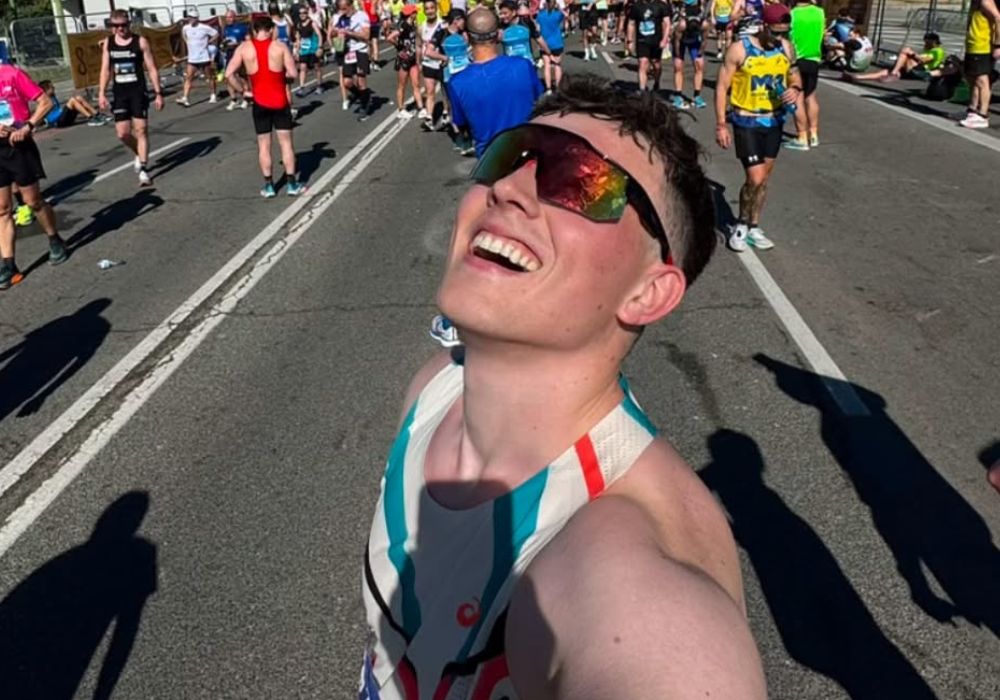
After his 2018 diagnosis, Jordan began participating in running challenges. He started with a marathon—an ambitious goal for anyone—transforming his negative diagnosis into positive action. Jordan saw these physical challenges as ways to raise awareness while embodying resilience in the face of his diagnosis.
Brothers United Against FTD
Jordan’s journey became even more powerful when his brother, Cian, received the same devastating diagnosis. Just five years after Jordan’s test results, Cian underwent genetic testing and learned that he, too, carried the mutation for frontotemporal dementia. The brothers now shared not just the same genetics but the same future—one that would likely involve a slow and progressive loss of their abilities.
Rather than facing this reality in isolation, the two brothers chose to face it together. United by their diagnosis, they became passionate advocates for FTD awareness. They formed “FTD Brothers,” using their shared story to amplify their message. Together, they have worked tirelessly to raise awareness about the disease, fight for more research funding, and support others who are navigating similar challenges.
Their advocacy work has not only helped them process their own diagnoses but also given them a purpose that transcends their personal struggles. By joining forces, Jordan and Cian are able to reach more people and create a broader impact than they could have on their own.
The brothers’ advocacy efforts also include running challenges, which they plan to continue as a way to both raise funds and raise awareness. In 2026, they are planning an ambitious challenge: running a marathon in every county across Ireland. This will serve as both a symbol of their resilience and a platform to further their mission of raising FTD awareness.
Looking beyond Ireland, Jordan and Cian dream of running a coast-to-coast marathon across America—hoping to draw international attention to FTD and inspire others to get involved in the cause.
Living With Purpose Despite Prognosis
Most people avoid contemplating mortality until much later in life. Jordan faces his limited timeline head-on, using it as motivation rather than a limitation.
“I want to show people that no matter your circumstances, no matter the cards you’re dealt, you have a choice in how you play your hand,” Jordan explained.
Jordan advocates mindful living, appreciating daily moments, and finding joy despite challenges. His perspective reminds us that quality of life matters as much as quantity.
“You can still be overwhelmingly positive. You can still enjoy life and get the most out of every moment. Just being here is a privilege,” Jordan shared.
By publicly sharing his journey, Jordan creates meaning from hardship. His openness about FTD educates others about early-onset dementia while providing hope to families facing similar diagnoses.
Jordan and Cian’s Mission to Transform FTD Advocacy
Jordan and Cian’s advocacy work is about more than just their personal journey with FTD—it’s about creating a legacy that can make a difference for future generations. Both brothers have committed themselves to ensuring that the fight for FTD awareness continues long after they are no longer able to participate actively. Their ultimate goal is to establish a foundation focused on FTD research, support for families, and raising awareness about this rare and often misunderstood disease.
Their foundation will not only fund crucial research into the causes and treatments for FTD but will also provide resources and support for families who are navigating the emotional and practical challenges of living with the disease. Jordan’s vision is clear: he wants to leave behind a tangible impact, one that can continue to help others long into the future.
In addition to their foundation, Jordan and Cian have turned to social media and platforms like GoFundMe to generate financial support for their mission. Through these channels, they have built a community of supporters who follow their running challenges, cheer them on, and contribute to the cause. This community has been instrumental in helping them reach a broader audience, raising both awareness and funds for FTD research.
For Jordan, the decision to work full-time on advocacy is a deliberate one. While his timeline may be shorter than most, he refuses to let it limit his ability to create positive change. The brothers have big plans for the coming years, but their broader mission is clear: to leave behind a legacy that will keep the conversation about FTD alive, raise essential research funds, and ultimately change the lives of others facing the same disease.
Physical Activity’s Role in Brain Health
Jordan’s choice of running challenges connects symbolically and scientifically to brain health. Research suggests regular physical activity may help maintain cognitive function and potentially delay symptom onset in some neurological conditions.
While exercise cannot prevent genetic FTD, it represents one factor within Jordan’s control that potentially influences his brain health. Jordan optimizes his overall health by maintaining physical fitness while fundraising for research.
His running challenges also demonstrate capability and determination rather than limitation—showing others and himself what remains possible despite his diagnosis.
Jordan approaches each day with intention, knowing his timeline differs from most people’s expectations. His perspective offers wisdom applicable to everyone, regardless of health status.
“Life throws challenges at all of us,” Jordan notes. “How we respond defines us more than what happens to us.”
Jordan transforms personal tragedy into a broader purpose by choosing advocacy, awareness, and positive action. His approach reminds us to consider how we use our time—it is limited for everyone, though some face clearer boundaries than others.
Jordan continues documenting his journey through social media, inviting others to witness challenges and triumphs. By sharing openly, he builds a community around FTD awareness while demonstrating resilient living.
Moving Forward Together
Supporting Jordan and Cian’s mission takes many forms. Financial contributions through their GoFundMe help fund running challenges and advocacy work. Following their journey on social media amplifies their message, and sharing their story increases FTD awareness. Most importantly, their example inspires us to examine our life choices—to ask whether we live according to our values and use our time meaningfully.
Jordan faces his future with remarkable courage, transforming genetic tragedy into purposeful action. His journey reminds us that while we cannot control all life circumstances, we always retain choice in our response. For more information or to support their cause, visit their GoFundMe page or follow FTD Brothers on social media.
Stories like Jordan’s hold power beyond mere inspiration, fundamentally shifting our perception of time and purpose. Medical science continues advancing toward a better understanding of genetic neurological conditions, with each research breakthrough bringing hope to families carrying similar genetic burdens.
FTD research receives less attention than more common dementia forms, making advocacy work by affected families even more vital. Each marathon Jordan runs creates ripples across medical communities, potentially connecting researchers who might unlock critical insights.
Featured Image Source: Jordan Adams, theftdbrothers on Instagram
