
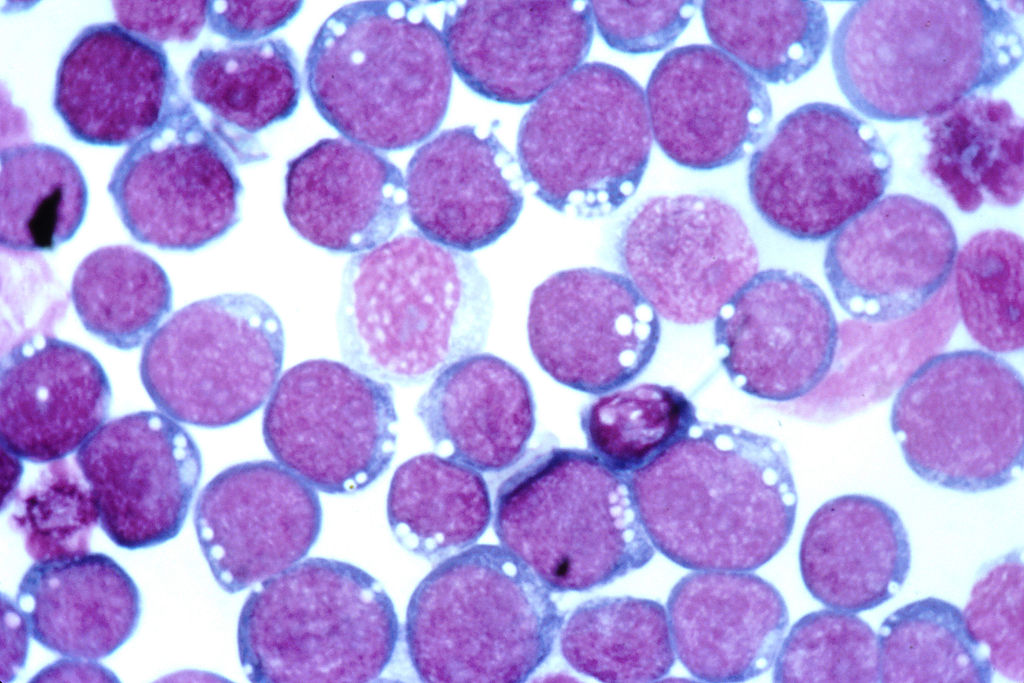
For decades, lupus has stood as one of modern medicine’s most frustrating mysteries. Doctors could describe what was happening in the body, but not why it was happening. The immune system, whose job is to protect us, suddenly turns inward and begins attacking healthy tissue. Organs become inflamed. Fatigue becomes overwhelming. Pain appears without a clear external cause. Treatments focus on suppressing symptoms, but the underlying trigger has remained elusive.
Now, a series of landmark studies from researchers at Stanford Medicine may have finally provided the missing piece of the puzzle. According to this research, the root cause of lupus may not be genetic destiny or random immune malfunction after all, but a common viral infection nearly all humans acquire early in life.
That virus is Epstein Barr virus, often shortened to EBV. Roughly 95 percent of adults worldwide carry it, usually without any symptoms. For most people, EBV lies dormant, quietly persisting in the body for life. But in a small subset of individuals, this same virus appears capable of hijacking the immune system in a very specific and destructive way, setting the stage for lupus.
What makes this discovery so profound is not just the strength of the association, but the clarity of the mechanism. For the first time, scientists can trace a direct biological chain of events from viral infection to immune reprogramming to full blown autoimmune disease. Lupus, long considered complex and multi factorial, may have a single initiating trigger after all.
This revelation does not just change how we understand lupus. It reshapes how we think about chronic illness, viral latency, immune memory, and the long term consequences of infections we never truly clear.
What Lupus Is And Why It Has Been So Hard To Explain
Systemic lupus erythematosus, commonly referred to as lupus, is an autoimmune disease in which the immune system attacks the body’s own cells, particularly the contents of cell nuclei. Because nearly every cell in the body contains a nucleus, lupus can affect many different organs and tissues at once.
Common symptoms include extreme fatigue, joint and muscle pain, skin rashes, kidney inflammation, neurological issues, and cardiovascular complications. Symptoms vary widely from person to person, which has made diagnosis difficult and often delayed. Some patients experience mild flares while others develop life threatening organ damage.
Globally, an estimated five million people live with lupus. In the United States alone, close to one million people are affected. About ninety percent of patients are women, a striking imbalance that has puzzled researchers for decades. Hormones, genetics, and environmental triggers have all been proposed as contributors, but none fully explained the disease on their own.
There is no cure for lupus. Most treatments focus on reducing inflammation or suppressing immune activity using corticosteroids, antimalarial drugs, or immunosuppressants. While these approaches can be effective at managing symptoms, they do not address the root cause, largely because that cause was unknown.
For years, scientists suspected that infections might play a role. Lupus patients consistently show elevated immune responses to certain viruses, especially Epstein Barr virus. But correlation is not causation, and until recently, no one could show exactly how a virus might trigger such a complex autoimmune cascade.
Epstein Barr Virus, The Almost Universal Passenger

Epstein Barr virus belongs to the herpesvirus family, which includes viruses responsible for chickenpox and cold sores. Once contracted, these viruses remain in the body for life. EBV is best known as the cause of mononucleosis, sometimes called the kissing disease, though most infections occur in childhood and produce little or no symptoms.
EBV spreads primarily through saliva. Sharing drinks, utensils, or close contact is enough to transmit it. By adulthood, the vast majority of people have been infected. After the initial infection, the virus enters a latent phase, hiding inside immune cells and largely evading detection.
For most people, EBV causes no ongoing problems. The immune system keeps it in check, and life goes on. This fact has long complicated attempts to link EBV to disease. If nearly everyone carries it, why do only a small fraction develop lupus or other autoimmune conditions?
The answer, according to the new research, lies not just in the presence of the virus, but in which cells it infects and how it reprograms them.
The Missing Mechanism Scientists Were Searching For

The breakthrough came when researchers began looking not at antibodies in the blood, but at individual immune cells themselves. Using advanced single cell sequencing techniques, the Stanford team was able to identify exactly which cells were infected with EBV and what those cells were doing.
They focused on B cells, a type of white blood cell with two major roles. First, B cells produce antibodies that recognize and neutralize pathogens. Second, they act as messengers, presenting fragments of pathogens to other immune cells to coordinate a response.
In healthy individuals who carry EBV, fewer than one in ten thousand B cells are infected by the virus at any given time. In people with lupus, that number jumps dramatically to roughly one in four hundred. That represents a twenty five fold increase in infected B cells.
More importantly, the infected cells in lupus patients were not random. They were a specific subset of B cells that are already prone to reacting against the body’s own tissues. These are sometimes referred to as autoreactive B cells.
Once EBV infects these cells, it activates a viral protein called EBNA2. This protein acts like a genetic switch, turning on genes that should normally remain quiet. Those genes then trigger the production of inflammatory signals and transcription factors that push the immune system into a sustained state of activation.
Instead of helping defend the body, these reprogrammed B cells become drivers of chronic inflammation. They activate helper T cells, recruit additional immune cells, and amplify the autoimmune response. Over time, the immune system begins producing antinuclear antibodies, a hallmark of lupus that targets the nuclei of healthy cells throughout the body.
According to senior author William Robinson, this process appears to be at the heart of lupus itself. In his words, the virus is not just associated with the disease. It is inside the disease driving cells, actively reshaping their behavior.
Why Most People With EBV Do Not Develop Lupus

If EBV can cause lupus, an obvious question arises. Why do ninety five percent of people carry the virus without ever developing autoimmune disease?
The research suggests that lupus requires a specific convergence of factors. First, a person must have autoreactive B cells capable of targeting their own tissues. Genetic differences likely play a role here, influencing how immune cells are educated and regulated. Second, EBV must infect those particular cells, not just any B cell.
Not all strains of EBV may be equally capable of triggering this process. Researchers suspect that certain viral variants are more likely to produce the EBNA2 driven reprogramming that leads to autoimmunity. Environmental factors, hormonal influences, and immune stress may also affect whether the virus becomes active at the wrong time.
This framework helps explain several longstanding mysteries. It explains why lupus disproportionately affects women, whose immune systems are generally more reactive and hormonally influenced. It explains why lupus can appear years after initial infection. And it explains why autoimmune diseases often cluster together in families without following simple inheritance patterns.
In this view, EBV is not a guaranteed cause of lupus, but it is a necessary ingredient. Without it, the autoimmune cascade does not begin.
Connections To Other Autoimmune Diseases

The implications of this discovery extend far beyond lupus. Epstein Barr virus has already been strongly linked to multiple sclerosis, another autoimmune disease in which the immune system attacks the nervous system. Large population studies have shown that EBV infection dramatically increases the risk of developing MS.
Researchers now believe that similar mechanisms may be at work in other autoimmune conditions, including rheumatoid arthritis and Crohn’s disease. In each case, EBV appears capable of infecting immune cells and nudging them toward chronic inflammation.
This does not mean EBV is the sole cause of all autoimmune disease. But it may be a common trigger that interacts with genetics and environment to push the immune system past a tipping point.
From a broader perspective, this challenges the way medicine has traditionally categorized diseases. Instead of treating lupus, MS, and other autoimmune conditions as entirely separate disorders, we may be looking at different expressions of a shared underlying process.
New Possibilities For Treatment And Prevention

Understanding how EBV drives lupus opens the door to new therapeutic strategies. Current treatments broadly suppress the immune system, which can leave patients vulnerable to infections and other complications. Future therapies could be more precise.
One approach involves targeting B cells infected with EBV. Deep B cell depletion therapies, including some CAR T cell treatments originally developed for cancer, have already shown remarkable results in small lupus trials. In some cases, patients have entered long term remission without ongoing medication.
Researchers believe these therapies may work by eliminating the EBV infected driver cells that sustain the autoimmune response. If those cells are removed and replaced with healthy ones, the immune system may reset.
Another promising avenue is vaccination. Several EBV vaccines are currently in development. A successful vaccine, administered early in life, could potentially prevent EBV infection altogether and drastically reduce the incidence of lupus and possibly other autoimmune diseases.
Such a strategy would represent a profound shift in public health. Instead of managing autoimmune disease after it appears, we could prevent it before it begins.
A Broader Reflection On Viruses And Human Health

Beyond its clinical implications, this discovery invites a deeper reflection on our relationship with microbes. Humans are not isolated organisms. We are ecosystems, shaped by bacteria, viruses, and other microorganisms that live within us.
For the most part, this relationship is balanced. Many microbes are harmless or even beneficial. But as this research shows, some viruses may leave subtle fingerprints on our biology that only become visible years later.
Epstein Barr virus is a reminder that infections do not always end when symptoms fade. Latent viruses can continue influencing immune behavior, gene expression, and inflammation over a lifetime. Chronic illness, in this sense, may sometimes be the delayed echo of an encounter long forgotten.
From a systems perspective, lupus may represent not a broken immune system, but an immune system doing exactly what it was programmed to do, just under the wrong instructions.
Science At The Edge Of Understanding

For decades, people living with lupus have struggled not only with their symptoms, but with uncertainty. Many were told their disease was idiopathic, meaning of unknown cause. This ambiguity often left patients feeling unseen and unsupported.
The identification of EBV as a central driver of lupus does not erase those struggles, but it does offer validation. It suggests that lupus is not random, not imagined, and not simply the result of bad luck. It has a biological origin that can be studied, understood, and potentially prevented.
At the same time, this discovery underscores how much remains unknown. Why certain immune systems are vulnerable, how viral and genetic factors interact, and how best to intervene safely are questions that will take years to answer.
But for the first time, researchers are no longer searching in the dark.
Toward A New Understanding Of Autoimmune Disease
The story of lupus and Epstein Barr virus represents a turning point in medicine. It shows what becomes possible when technology allows us to see disease at the level of individual cells and molecular switches.
It also invites a more holistic view of health, one that recognizes the long term consequences of early life exposures and the deep interconnection between immunity, environment, and time.
Lupus may still be a complex disease, but it is no longer an unfathomable one. With a clearer understanding of its origins, the path forward becomes visible.
And for millions of people living with lupus today, that clarity carries something just as important as scientific insight.
Hope.
