
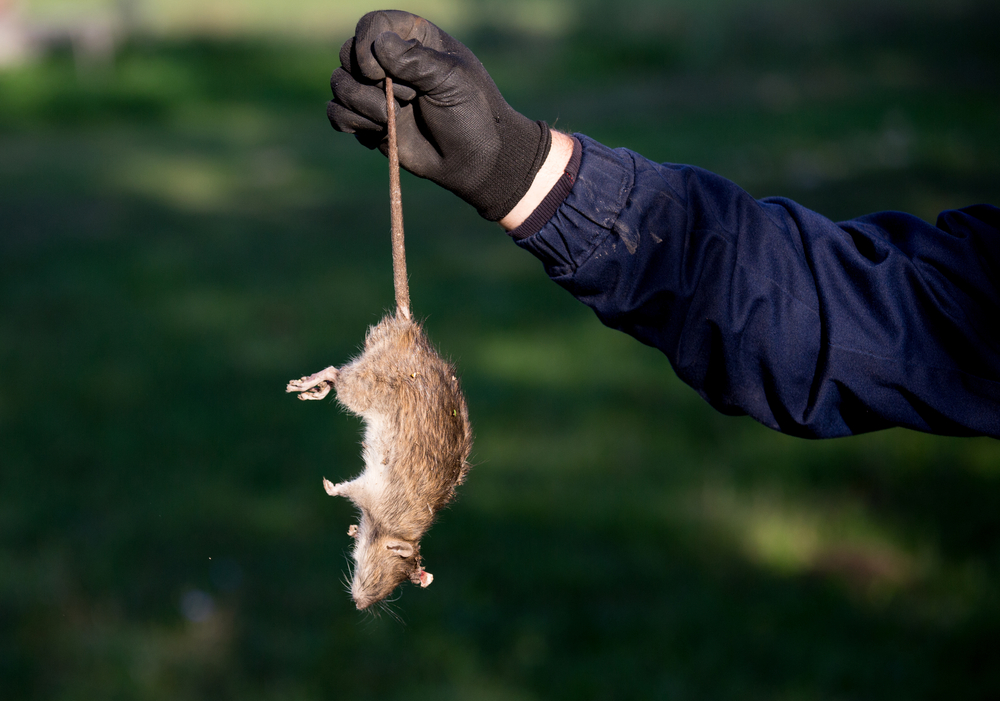
A recent study revealed a disturbing truth: 49% of necropsied raptors tested positive for rodenticide exposure. These birds, known for their role in controlling rodent populations, are becoming unintended victims of the very poisons meant to kill their prey. The issue extends far beyond raptors—foxes, coyotes, mountain lions, and even household pets are also falling victim to secondary poisoning after consuming poisoned rodents.
Rodenticides, especially second-generation anticoagulants, don’t kill rodents instantly. Instead, they cause slow internal bleeding, leaving poisoned animals vulnerable to predators before they die. When larger animals consume them, the toxic dose accumulates, often leading to fatal hemorrhaging.
Despite growing awareness of these dangers, highly toxic rodenticides remain widely used—not just in agricultural settings, but also in urban and residential areas. This has sparked growing concerns among wildlife experts, veterinarians, and environmental advocates who warn that these poisons are disrupting ecosystems and harming species far beyond their intended targets.
The Lethal Chain Reaction of Rodenticides
Rodenticides work by disrupting the body’s ability to clot blood, leading to internal bleeding and eventual death. First-generation rodenticides require rodents to consume multiple doses before the effects take hold. Second-generation rodenticides, however, are far more potent. A single dose can be lethal, but because the poison works slowly, rodents continue feeding on it, accumulating toxic levels in their bodies before they die.
This delay is what makes second-generation rodenticides especially dangerous. By the time poisoned rodents die, they have consumed many times the lethal dose, turning them into highly toxic meals for predators and scavengers. When owls, hawks, foxes, coyotes, or even domestic pets eat these rodents, they unknowingly ingest the poison as well.
Veterinary studies have documented the tragic effects of secondary poisoning. Clinical assistant professor Maureen Murray from the Tufts Cummings School of Veterinary Medicine has examined numerous poisoned raptors, many suffering from internal hemorrhaging, organ failure, and widespread blood loss. In her research, she found rodenticides in 86 percent of the raptors she examined, with nearly all containing brodifacoum—a second-generation poison known to be especially lethal to birds.
This issue extends beyond birds of prey. In California, 92 percent of tested raptors showed rodenticide traces in their livers, along with 84 percent of endangered San Joaquin kit foxes and 78 percent of mountain lions. In New York, 49 percent of necropsied raptors across 12 species tested positive for rodenticide exposure. Globally, similar contamination levels have been found in Denmark, the United Kingdom, South Africa, and Canada.
Despite these alarming statistics, second-generation rodenticides remain widely used, continuing to spread through ecosystems and endangering wildlife at every level of the food chain.
How Rodenticides Put Families and Pets at Risk

Rodenticides don’t just threaten wildlife—they also pose a serious risk to pets and humans, particularly young children. While the primary concern is secondary poisoning from consuming contaminated rodents, direct exposure to rodenticide baits is also a widespread issue.
Between 1999 and 2003, an Environmental Protection Agency (EPA) survey found that at least 25,549 children under the age of six ingested enough rodenticide to suffer poisoning symptoms. Today, the Centers for Disease Control and Prevention (CDC) still receives about 15,000 calls per year from parents reporting rodenticide exposure in children. Even when baits are placed in seemingly secure locations, rodents can move them to areas where kids or pets can find them.
Household pets are also frequent victims. Veterinarians routinely treat dogs and cats suffering from rodenticide poisoning, often with tragic outcomes. One case involved a golden retriever named Franz, who lived on a property surrounded by farmland. His owner, Jeannine Altmeyer, had hired a licensed exterminator who assured her the bait was “safe” and wouldn’t cause secondary poisoning. But in 2012, after consuming a poisoned rodent, Franz became lethargic, his gums turned pale, and he died before reaching the vet. A necropsy confirmed the presence of brodifacoum.
The risk extends beyond pets. Rodenticide residues have been found in a wide range of species, including deer, waterfowl, songbirds, and even insects. Some scientists suspect that poisoned insects may be transmitting these toxins up the food chain, leading to unexpected contamination in birds that primarily feed on insects rather than rodents.
Even though regulatory agencies have acknowledged these risks, second-generation rodenticides continue to be widely available, increasing the likelihood of exposure for both wildlife and domestic animals. Without stricter regulations and better public awareness, these poisons will continue to put vulnerable populations—both human and animal—at risk.
Profits Over Protection: The Fight to Ban Deadly Rodenticides

In 2008, the Environmental Protection Agency (EPA) ruled that second-generation rodenticides posed an “unreasonable risk” to wildlife, pets, and children, ordering them off the consumer market. However, a loophole allowed continued sales to exterminators, farmers, and property managers, keeping these toxic chemicals widely available.
Most manufacturers complied with the new restrictions, but three major companies—Spectrum Group, Liphatech, and Reckitt Benckiser—refused. Reckitt Benckiser, a global corporation behind brands like Lysol and d-Con, challenged the ban in court, arguing that restricting these poisons would harm low-income communities. Ironically, studies show that low-income children are among the most affected by rodenticide poisoning due to unsafe bait placement in homes.
Years of legal battles have delayed stricter regulations, allowing second-generation rodenticides to remain on store shelves despite overwhelming evidence of their harm. As long as corporate influence continues to override public safety concerns, these poisons will keep endangering wildlife, pets, and people.
How to Control Rodents Without Harming Wildlife

Despite the ongoing risks posed by second-generation rodenticides, safer alternatives exist. One of the most effective natural solutions is encouraging predators like owls and hawks, which can significantly reduce rodent populations. A single barn owl, for example, can consume up to 1,000 rodents per year. Some agricultural areas and vineyards have adopted this method by installing nesting boxes to attract owls, providing long-term rodent control without toxic consequences.
Mechanical traps also offer a non-toxic alternative. Snap traps, electrocution traps, and live-capture traps can effectively manage rodent populations in homes and businesses. Even first-generation rodenticides—while not ideal—are less persistent in the environment and pose a lower risk of secondary poisoning compared to second-generation products.
Public awareness and policy changes are also critical. Some cities in California have taken steps to discourage the sale of second-generation rodenticides, urging retailers to remove them from shelves. Education campaigns like “Don’t Take the Bait” in San Francisco have helped inform consumers about the dangers of these poisons and promote safer alternatives. While large-scale bans have faced resistance, continued pressure from the public and environmental groups can push for stronger regulations that prioritize safety over convenience.
Keeping Wildlife, Pets, and Your Loved Ones Safe From Poison
The widespread use of second-generation rodenticides has created a crisis that extends far beyond their intended targets. With nearly half of tested raptors found to have rodenticide in their systems, the evidence is clear—these poisons are wreaking havoc on wildlife, pets, and even humans. The slow-acting nature of these chemicals turns poisoned rodents into lethal bait for predators, creating a deadly ripple effect across entire ecosystems.
Despite mounting scientific evidence and repeated warnings from environmental experts, these toxic rodenticides remain readily available, largely due to legal loopholes and corporate resistance. While some communities have taken steps to curb their use, stronger policies and public awareness are needed to drive meaningful change.
The good news is that safer alternatives exist. Natural predators, mechanical traps, and responsible rodent management strategies offer effective solutions without the devastating consequences of poison. By rethinking how we approach pest control and demanding stricter regulations, we can help protect the delicate balance of our ecosystems—before more species, pets, and even children suffer the consequences.
Source:
- Stone, W. B., Okoniewski, J. C., & Stedelin, J. R. (2003). Anticoagulant Rodenticides and Raptors: Recent Findings from New York, 1998–2001. Bulletin of Environmental Contamination and Toxicology, 70(1), 0034–0040. https://doi.org/10.1007/s00128-002-0152-0
