
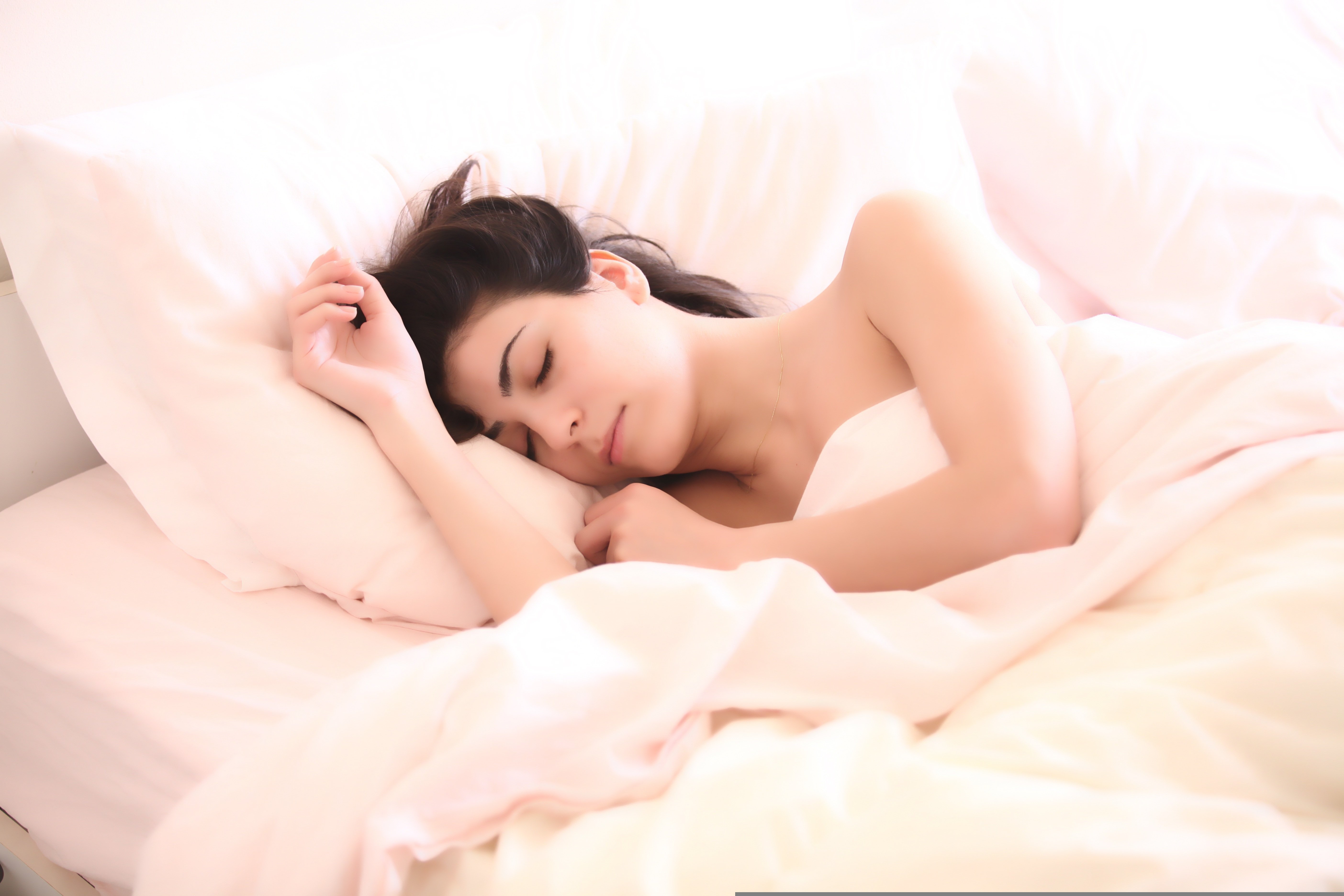
Minor changes to your nightly routine can dramatically improve your overall health and wellness. Among these simple adjustments, sleeping without clothes has gained popularity among health enthusiasts and those seeking better rest. Many people overlook how something as basic as pajama choice—or lack thereof—might affect sleep quality, physical health, and even mental well-being.
Research increasingly supports what naked sleepers have known intuitively: removing clothing barriers at bedtime offers numerous physiological and psychological benefits. Going to bed in your natural state could be a surprisingly effective health hack, improving sleep quality and enhancing skin health, metabolism, and even reproductive function.
While personal preference ultimately guides bedtime attire decisions, understanding how sleeping naked affects your body might inspire you to try this simple change. One night without pajamas could begin a journey toward improved sleep and unexpected health benefits extending far beyond your bedroom.
1. Cooler Body, Better Sleep

Falling asleep quickly requires your body temperature to drop slightly, signaling your brain that it’s time for rest. Clothing creates an additional layer of insulation that can interfere with this natural cooling process. By removing this barrier, your body more easily achieves optimal sleep temperature.
Studies show that core body temperature naturally decreases during early sleep stages, and anything preventing this drop, like excessive clothing, can delay sleep onset and reduce sleep quality.
Sleeping naked lets your skin detect and respond to room temperature more effectively. Your body’s built-in cooling mechanisms work more efficiently without fabric interference, helping maintain ideal sleeping conditions throughout the night. During deeper sleep phases, body temperature fluctuates naturally, and naked sleeping allows for more responsive adaptation to these changes.
Many people report falling asleep faster after ditching pajamas, a claim supported by research showing reduced time between going to bed and entering the first stages of sleep when sleeping unclothed.
2. Promotes Deeper, Restorative Sleep

Comfort plays a major role in how well you sleep. Tight or heat-trapping clothing can restrict movement, create friction, or hold moisture—each of which may subtly disrupt sleep without you realizing it. Removing those barriers by sleeping naked allows your body to rest in a more neutral state. Less restriction often means fewer position changes during the night, which can help you stay asleep longer.
Sleep studies consistently point to temperature and sleep environment as key factors in sleep efficiency. A cooler body temperature supports more time spent in restorative stages of sleep, especially REM, which is tied to memory, cognitive function, and emotional stability. When your body doesn’t need to work as hard to regulate heat, sleep becomes more consistent and efficient.
If you’re someone who struggles with light sleep, frequent waking, or grogginess in the morning, going without sleepwear may be worth testing. It’s a small adjustment that reduces friction—both physically and mentally—and creates conditions that support deeper, more consistent rest.
3. Your Skin Gets a Chance to Breathe
Skin is the body’s largest organ, and like any other system, it benefits from periods of relief and recovery. Wearing clothing to bed—especially synthetic or tight fabrics—can trap heat, moisture, and bacteria against the skin. This creates a breeding ground for irritation, breakouts, or fungal infections, particularly in areas with limited airflow.
Sleeping naked improves ventilation and reduces skin-on-fabric friction, helping sweat evaporate instead of being absorbed and held against the body. This airflow supports skin clarity and allows pores to function more naturally overnight. For people prone to body acne or skin sensitivity, removing layers can help reduce the buildup of sweat, oil, and bacteria.
In addition, there’s a connection between better sleep and skin health. A 2018 study found that individuals who were well-rested recovered faster from skin injuries compared to those with poor sleep, regardless of nutrient intake. If sleeping naked helps you sleep more soundly, your skin may benefit not just from improved airflow but also from the deeper rest your body uses to repair itself.
4. It Could Support Reproductive Health

Reproductive organs are sensitive to temperature, and sleeping without clothing can help regulate the conditions around them. For men, this matters because sperm production is temperature-dependent. Research has shown that elevated scrotal temperatures—often caused by tight or insulating underwear—can lower sperm count and motility. Sleeping naked allows the testicles to remain cooler, which may support healthier sperm parameters over time.
For women, tight sleepwear can trap heat and moisture in the pelvic region, creating an environment that encourages yeast and bacterial growth. Removing those layers increases airflow and can help reduce the risk of vaginal infections, especially for those who are prone to them. It’s a simple step that allows the body to maintain better hygiene and balance overnight.
Beyond external temperature effects, there’s also an indirect benefit: better sleep supports hormone regulation. Hormones like estrogen, testosterone, and melatonin rely on consistent, high-quality rest to stay in balance. If sleeping naked contributes to better sleep, it may also support reproductive function through improved hormonal stability.
5. Your Stress Levels May Decrease

Sleep and stress are closely linked. Poor sleep can raise cortisol levels—the body’s primary stress hormone—while quality sleep helps regulate emotional responses and maintain mental clarity. If sleeping naked leads to better rest, that alone can be a meaningful step toward managing stress more effectively.
There’s also a physiological component tied to physical contact. For those who share a bed with a partner, skin-to-skin contact may trigger the release of oxytocin. This hormone plays a role in relaxation, emotional bonding, and anxiety reduction. Sleeping naked naturally increases the opportunity for this contact, even without initiating physical intimacy, and may help couples feel more connected and calm.
Self-perception plays a part, too. Being comfortable in your own skin—literally—can slowly build body awareness and confidence. One study found a positive link between time spent nude and body appreciation. While not a quick fix, regular exposure to your own body in a relaxed setting like bedtime can help shift self-image in a healthier direction.
6. Sleeping Well Supports a Healthier Metabolis

Sleep has a direct impact on your metabolic health. When you don’t get enough restful sleep, levels of key hormones that regulate appetite—leptin and ghrelin—become imbalanced. Ghrelin, which stimulates hunger, increases, while leptin, which signals fullness, decreases. This combination can lead to overeating, late-night cravings, and weight gain. By promoting deeper sleep, sleeping naked may help your body better manage these hormones.
There’s also some evidence that cooler sleeping environments may boost metabolic function in other ways. A small 2014 study found that men who slept in cooler temperatures (around 66°F or 19°C) increased their levels of brown fat, a type of fat that burns calories to generate heat. While more research is needed, it suggests that staying cooler during sleep might support the body’s natural energy regulation.
While sleeping naked alone won’t lead to weight loss, it can contribute to the quality of sleep that supports better decision-making, appetite control, and metabolic balance. Combined with healthy habits during the day, it’s a simple change that may help keep your body functioning more efficiently.
Before You Try It, Consider These Practical Factors

While the benefits of naked sleeping prove compelling, practical considerations matter. Living situations requiring quick emergency responses, shared rooms, or children entering bedrooms might necessitate keeping minimal sleepwear accessible. Many compromise with loose, minimal clothing, or keep robes beside beds for quick coverage when needed.
Climate considerations significantly influence comfort. In colder environments, adjusting room temperature or using appropriate bedding becomes essential. Quality bed linens from natural fibers like cotton or bamboo provide comfortable skin contact while wicking moisture away from the body. Adding layers of blankets allows customization without resorting to sleepwear.
People living in shared housing might try partial solutions—sleeping without underwear but keeping loose shirts or shorts on for modesty. Even partial adoption provides many benefits while respecting practical constraints. Security concerns can be addressed by keeping robes or minimal clothing within immediate reach.
Naked sleeping eliminates fabric contact with potentially irritating detergent residues for those with skin sensitivities to laundry products. However, more frequent washing of bed linens becomes necessary when sleeping naked to maintain hygienic conditions.
Getting Started with Clothing-Free Sleep
Making the switch to sleeping naked doesn’t require a dramatic lifestyle change. It’s a personal habit you can try gradually and adjust based on comfort, routine, and environment. If you’re interested in giving it a shot, here are a few easy, low-pressure ways to start.
- Start by removing one layer, like your underwear or shirt, rather than going fully nude right away.
- Shower before bed to keep your sheets cleaner and reduce bacteria or sweat buildup.
- Choose breathable bedding made from cotton, bamboo, or linen to prevent irritation and help regulate temperature.
- Keep a robe or light clothing nearby in case you need to get up during the night.
- Wash your sheets regularly—ideally once a week—to maintain a hygienic sleeping environment.
- If you sleep with a partner, talk about it beforehand and see if it’s something they’re also open to trying.
- Adjust for climate: use an extra blanket if needed, or a fan during hotter nights.
Trying these steps can help you test the waters without pressure. The goal is to improve your sleep—not stick to a rigid rule—so focus on what feels comfortable and sustainable for you.
A Low-Effort Way to Improve Sleep

Sleeping naked is one of the few health practices requiring no special equipment, expense, or complex routines—remove what you’re wearing before sleep. This simple choice offers surprising advantages for minimal effort, from better temperature regulation and improved sleep quality to enhanced skin health and psychological benefits.
While not universally practical for everyone’s living situation, even partial adoption—sleeping without underwear but keeping minimal clothing—provides many benefits. Most people can experiment with naked sleeping for a week without commitment to assess comfort and benefits personally.
Ultimately, optimal sleep environments remain personal choices based on individual comfort levels, practical considerations, and personal health goals. For many people, ditching pajamas is an easy first step toward improved sleep hygiene, potentially having far-reaching health benefits beyond bedtime.
Why not try sleeping naked tonight? Your body might thank you with better rest, improved wellness, and unexpected benefits that make this simple change worth adopting permanently.
