
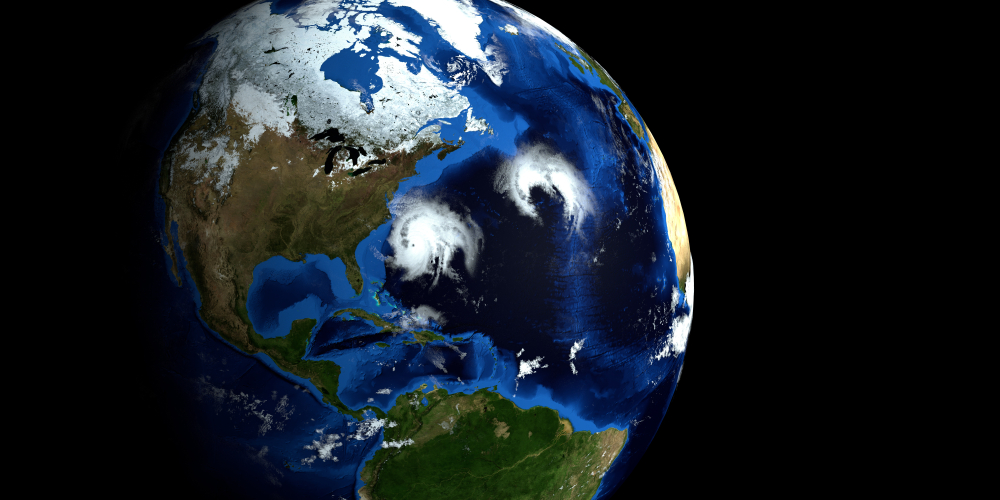
Hurricane Erin, the first major storm of the Atlantic season, is drawing close attention as it continues to intensify offshore. With sustained winds reaching around 130 miles per hour, Erin briefly hit Category 5 before dropping back to Category 3, but it remains powerful enough to cause widespread disruption. Although the storm is not expected to make landfall, its size and slow movement mean its effects will stretch across much of the Eastern Seaboard. Forecasts indicate waves could climb to 20 feet, with rip currents strong enough to endanger swimmers and flooding likely in low-lying areas. Emergency officials in several states have already issued evacuation orders, declared states of emergency, and closed off vulnerable areas in preparation for days of hazardous conditions.
The storm’s trajectory highlights how even an offshore hurricane can create cascading impacts on infrastructure, daily routines, and public safety. North Carolina has already begun evacuating residents in the Outer Banks, where Ocracoke Island is expected to be cut off once Highway 12 becomes impassable. Further north, states like New Jersey and New York are warning about surf-driven flooding and damage along popular coastal stretches. The situation reinforces an important lesson for coastal communities: a hurricane does not have to strike directly to pose a real danger.

Where Hurricane Erin Stands Now
Erin is currently tracking northwest at about 13 miles per hour, a pace that is slow enough to complicate forecasts. Meteorologists warn that while some weakening is possible, the storm will remain large and dangerous for the coming days. Because of its size, the reach of Erin extends far beyond its center, covering hundreds of miles with dangerous weather. This means millions of people, from the Carolinas to New England, will likely see effects ranging from heavy surf to flooding even if they are far from the hurricane’s eye.
In North Carolina, Dare and Hyde counties have been among the first to order mandatory evacuations. Ocracoke Island residents and visitors were required to leave after officials warned that Highway 12, the island’s only link to the mainland, would likely flood and close. These evacuation orders are not precautionary in the abstract; previous storms have shown how quickly coastal routes can be cut off, leaving anyone who delays evacuation stranded without access to emergency services. For local leaders, the focus is on moving people early while options are still open.
Northern states are preparing as well, though their risks look different. In New Jersey and New York, coastal officials have already issued warnings about beach erosion, flooded roadways, and rip currents that will likely last well into the week. In Massachusetts, preparations include staging power crews and preparing transportation systems for disruptions. Even without direct landfall, the hazards Erin will bring to these areas are enough to warrant sustained emergency readiness.

Regions Facing the Greatest Impact
Seven states are currently in the projected zone of Hurricane Erin’s hazards: North Carolina, South Carolina, Georgia, Virginia, New Jersey, New York, and Massachusetts. Each is preparing in different ways, shaped by its geography and infrastructure. In the southern states, storm surge and rainfall pose the greatest threats. Charleston and Savannah are particularly vulnerable due to their low elevations and extensive tidal waterways, which make it easy for storm-driven water to inundate neighborhoods and cut off downtown districts. Local officials are urging people living in these zones to relocate before flooding worsens.
Virginia, New Jersey, New York, and Massachusetts are facing hazards from Erin’s offshore energy rather than direct landfall. In New Jersey and New York, millions of people live and work along the coastlines where surf and flooding are expected to be most severe. Popular summer destinations like Long Island’s South Shore and the Jersey Shore are preparing for strong rip currents, flooded coastal roads, and economic losses from beach closures during peak tourism season. Massachusetts, meanwhile, is bracing for the dual risk of flooding and power outages. Utility companies are mobilizing crews in anticipation of downed power lines, while local governments are preparing to close roads if storm conditions worsen.
The fact that all seven states are taking precautionary action highlights how a single hurricane, even offshore, can affect a wide range of communities in different ways. For some, the danger lies in rising waters; for others, it is economic disruption or the strain on public infrastructure. In each case, Erin shows the importance of preparing for region-specific risks while also recognizing that hurricanes are large-scale events that rarely spare nearby areas.
What Science Explains About Erin’s Behavior
Erin has been difficult to predict because of how quickly its intensity has shifted. Within a short time, it jumped from a Category 3 to Category 5 before settling back again. Meteorologists explain that two key factors are influencing this back-and-forth. On one hand, upper-level winds and favorable shear create conditions that could allow the storm to strengthen again. On the other hand, Erin’s slow pace causes upwelling, which brings cooler water from below the ocean surface to the top, cutting off the warmer energy source hurricanes need to sustain themselves. This interplay makes Erin’s future strength uncertain, which is why forecasts continue to emphasize caution.
Modern satellite technology is crucial in tracking hurricanes like Erin. These systems provide detailed measurements of wind speeds, storm diameter, and sea surface temperatures, all of which allow forecasters to issue targeted warnings. For Erin, satellites have shown that even as its maximum wind speeds fluctuate, the sheer size of the system makes it capable of widespread hazards. Larger storms cover more territory and sustain dangerous surf for longer periods, which is why officials across several states are maintaining their alerts.
Scientists are also connecting Erin to broader patterns seen in recent years. Warmer oceans, tied to climate change, provide more energy for storms, fueling rapid intensification like Erin displayed when it briefly reached Category 5 strength. Slower-moving hurricanes are also becoming more common, which prolongs rainfall and increases flooding risks. Erin’s behavior fits into this wider trend, raising questions about how often communities may face storms of this scale in the future. While individual hurricanes cannot be solely attributed to climate change, their frequency and intensity are part of a documented shift in global weather patterns.

How Communities Are Responding on the Ground
The human impact of Hurricane Erin is already being felt as evacuations and closures disrupt daily life. In North Carolina, thousands of people have had to leave their homes and businesses behind, uncertain about when they will be able to return. For families with limited resources, evacuation creates added stress, from finding shelter to covering unexpected costs. Local shelters are open, but for vulnerable groups such as the elderly or families with young children, the process of relocating is challenging and disruptive.
Public officials are focusing on communication to keep residents informed and safe. Emergency management leaders are holding press conferences, using text alerts, and sharing updates across social media platforms. The goal is to make sure people understand that even without landfall, Erin will create conditions dangerous enough to cut off roads and damage property. In Hyde County, public information officer Donnie Shumate warned that the storm is expected to make Highway 12 impassable, a direct message meant to highlight how quickly conditions can escalate.
In northern states, communities are preparing for economic and logistical effects. New Jersey and New York expect tourism-related businesses to face losses as beaches close and visitors cancel trips. Massachusetts is focused on infrastructure, staging utility crews to respond quickly if power lines go down and preparing transportation systems for potential shutdowns. These preparations reflect how hurricanes ripple outward, affecting safety, health, and economic stability at the same time.
Precautions That Matter Most Right Now
Experts and emergency officials emphasize that preparation is the most effective tool in reducing risks from Hurricane Erin. Even when landfall is not expected, the storm’s offshore effects are enough to endanger lives. Precautions that matter include:
- Follow evacuation orders immediately. Delays can leave residents stranded once roads flood or close.
- Prepare an emergency supply kit. This should include clean water, non-perishable food, prescription medications, flashlights, batteries, and basic first aid supplies.
- Secure property. Move outdoor items indoors, reinforce windows if possible, and make sure vehicles are fueled.
- Stay connected. Keep phones charged, monitor official updates from the National Hurricane Center, and have a family communication plan in case services are disrupted.
- Avoid coastal waters. Rip currents are among the leading causes of storm-related deaths and can remain dangerous for days.
Longer-term, Hurricane Erin adds to the growing need for stronger infrastructure and updated building codes, as well as emergency response systems designed to address more frequent and severe storms. Climate scientists point out that while not every hurricane can be directly linked to climate change, the trend toward stronger, slower, and more unpredictable storms is clear. Communities must adapt to this new reality with both individual preparedness and broader public planning.
The key takeaway is that a hurricane does not need to strike land directly to be dangerous. By following evacuation orders, taking precautions early, and staying informed through reliable sources, risks can be significantly reduced. Hurricane Erin’s path offshore is a reminder that preparation is the most effective safeguard in protecting health and safety during extreme weather.
