
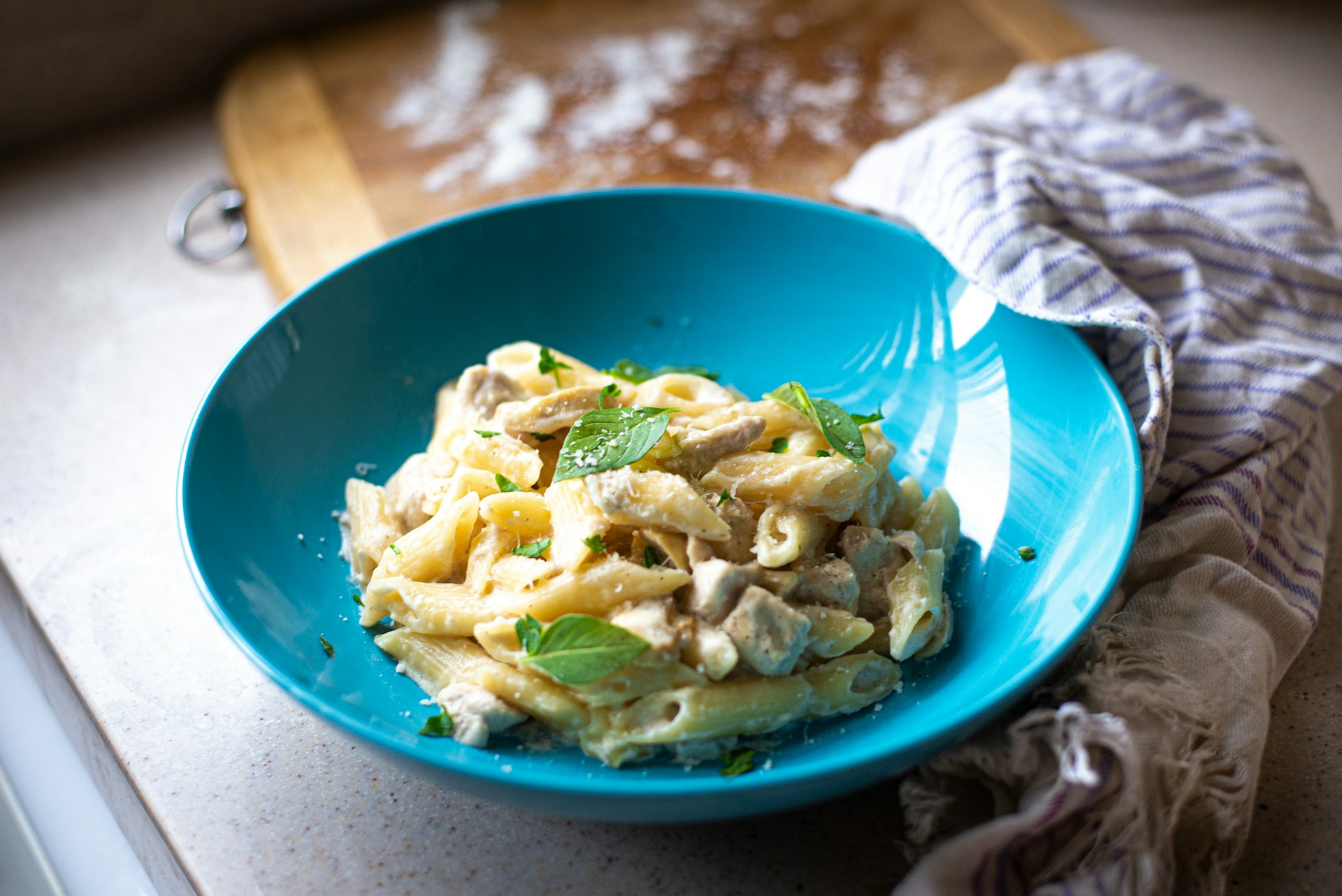
The recent tragedy surrounding contaminated ready meal pasta has once again reminded the public that even foods we consider safe can pose serious risks. In a society that values convenience, millions of people rely on pre-packaged meals for quick nourishment. Yet, this incident has exposed how one lapse in safety can trigger a nationwide crisis and claim innocent lives.
Foodborne illnesses often go unnoticed until it is too late. A single serving of food can harbor invisible bacteria capable of causing devastating health outcomes. What began as an ordinary dinner for many families turned into one of the deadliest foodborne outbreaks the nation has seen in recent years.
This article explores how this outbreak unfolded, the bacteria behind it, and what steps you can take to protect yourself and your loved ones. From understanding how Listeria monocytogenes spreads to learning how to stay vigilant when eating outside, this story serves as a lesson on the importance of food awareness and safety.

A Deadly Outbreak That Shook the Nation
Six people have tragically lost their lives, and over two dozen others have fallen gravely ill after eating contaminated ready meal pasta sold in major U.S. supermarkets. Health agencies including the CDC and FDA identified the cause as Listeria monocytogenes, a bacteria known for surviving even in refrigerated environments.
The contaminated meals, sold under several brand labels in stores such as Trader Joe’s, Kroger, Sprouts Farmers Market, and Albertsons, were produced by a California-based supplier. Reports indicate that hospitals in at least eighteen states treated patients suffering from severe foodborne infections linked to these meals. Panic spread quickly as recall announcements urged the public to discard the affected products.
Public outrage grew when it was revealed that one of the victims was a pregnant woman who suffered fetal loss after eating the contaminated food. This heartbreaking case underscored the serious threat that Listeria poses to vulnerable populations, including pregnant individuals, the elderly, and those with weakened immune systems.
Authorities discovered major lapses in hygiene and temperature monitoring at the implicated facility. Investigations showed that bacterial contamination likely occurred during packaging when cooling systems malfunctioned. The bacteria multiplied inside sealed containers, turning what should have been safe meals into lethal hazards.
The Scope of the Crisis and Its Impact
This outbreak is among the most significant Listeria-related incidents in recent memory. The CDC confirmed that infections were spread across multiple states, with additional cases suspected but not yet confirmed. Food safety officials believe that thousands of packages may have been sold before the recall began.
Consumers across the country expressed shock that such a widespread issue could go unnoticed for weeks. Experts point out that Listeria infections are difficult to trace because symptoms can appear long after exposure. As a result, people may not immediately connect their illness to the contaminated food they ate days or even weeks earlier.
The FDA and state health departments have coordinated extensive product recalls and facility inspections. Meanwhile, lawsuits have been filed by affected families demanding accountability and compensation for preventable losses. Health authorities have stressed that this incident highlights weaknesses in oversight systems designed to monitor ready-to-eat food production.
This event has prompted discussions about the balance between convenience and safety. As pre-packaged meals become more common in busy households, ensuring that strict hygiene and temperature controls are maintained is more important than ever.

The Hidden Foodborne Disease Behind the Tragedy
Listeria is a stealthy bacterium that can exist in soil, water, and animal matter. Unlike many other pathogens, it thrives in cool environments and can multiply even in refrigerated foods. Because it resists cold temperatures, products such as ready-to-eat meals, deli meats, and soft cheeses are especially vulnerable.
Once inside the body, Listeria monocytogenes can cause an infection called listeriosis. It often begins with mild flu-like symptoms such as fever, fatigue, and nausea, but it can quickly escalate into a life-threatening condition. The bacteria can spread from the gut to the bloodstream and reach the brain, leading to meningitis or septicemia.
For pregnant women, the consequences can be catastrophic. The bacteria can cross the placental barrier and infect the fetus, resulting in miscarriage, stillbirth, or severe neonatal infection. The infection can also be deadly for people with compromised immune systems or chronic illnesses.
The unique ability of Listeria to survive under refrigeration makes it particularly challenging to eliminate. Even careful handling and refrigeration do not always prevent contamination, which is why rigorous testing and sanitation protocols are essential in food production facilities.
How Listeria Infection Develops and Spreads
Listeria contamination can occur at several points in the food supply chain, from harvesting and processing to packaging and transport. In the case of the pasta outbreak, samples from conveyor belts, utensils, and packaging equipment tested positive for Listeria.
When a person eats contaminated food, the bacteria attach to the intestinal lining and invade the bloodstream. Once there, they can travel to the liver and other organs. Because Listeria can hide inside human cells, it is difficult for the immune system to eliminate without antibiotics.

Symptoms can appear anywhere from a few days to several weeks after exposure. In mild cases, people may only experience diarrhea and fatigue, but severe cases can lead to neurological symptoms such as confusion and loss of balance. Prompt diagnosis and treatment are essential to reduce the risk of complications or death.
The FDA estimates that around 1,600 Americans contract listeriosis each year and that approximately 260 of them die from the infection. These statistics underscore how serious the disease can be, especially when outbreaks occur through widely distributed food products.
Awareness and Prevention: What You Can Do
Public health experts emphasize that awareness is the first step in prevention. Consumers should stay updated on food recalls through the FDA and CDC websites. Products labeled as “ready to eat” should be reheated thoroughly before consumption, particularly when served to high-risk groups.
Keeping the refrigerator clean and maintaining a temperature below 40 degrees Fahrenheit can help slow bacterial growth. Leftovers should be stored in sealed containers and consumed within a few days. Cross-contamination can be prevented by using separate cutting boards and utensils for raw and cooked foods.
For people who are pregnant or have weakened immunity, it is advisable to avoid soft cheeses, cold deli meats, and unpasteurized dairy products unless they are cooked thoroughly. These simple precautions can make a significant difference in reducing the risk of infection.
Raising public awareness about the dangers of foodborne pathogens should be a continuous effort. Educational campaigns and community workshops can help individuals understand the importance of hygiene in kitchens, schools, and restaurants.
Eating Outside: A Matter of Caution
As dining out and takeout meals become more common, consumers must exercise caution. While restaurants and delis are regulated, lapses in food handling can still occur. Observing basic hygiene practices can help you make safer choices when eating outside.
Choose eateries that display visible cleanliness, use gloves and hairnets, and store food properly. Avoid eating meals that are meant to be hot if they are served cold, and be cautious of buffets or self-serve counters where food may sit out too long.

High-risk individuals should be particularly selective when choosing where to eat. It is better to ask how food is stored and prepared than to assume it is safe. Awareness of your surroundings and habits can drastically reduce your exposure to contaminated foods.
Informed consumers can also help drive change by demanding transparency from food producers and restaurants. Asking questions about sourcing and safety practices encourages businesses to maintain higher standards.
Staying Vigilant and Informed
The Listeria outbreak linked to ready meal pasta has left families mourning and communities shaken. It serves as a reminder that even trusted brands can fail when safety systems break down. The tragedy underscores the need for stronger oversight, better education, and greater consumer awareness.
Each person has a role to play in preventing foodborne diseases. Staying informed about recalls, practicing proper kitchen hygiene, and being mindful when eating outside are vital steps. The responsibility to prevent another such disaster lies not only with authorities and companies but also with every household.
Food safety begins with awareness and ends with action. By choosing fresh foods, handling them with care, and supporting stronger food safety regulations, we can protect our health and ensure that tragedies like this never happen again.
