
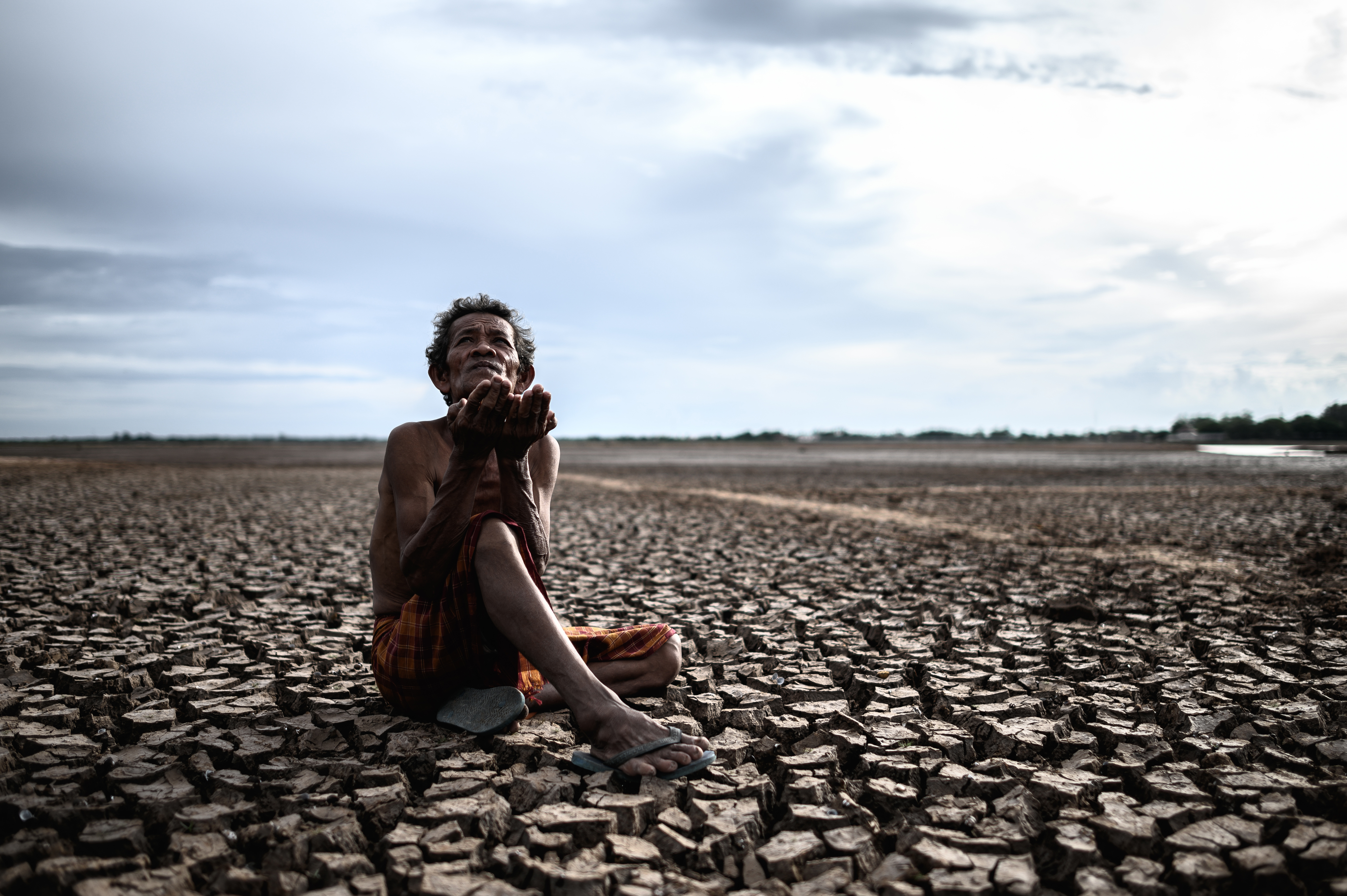
Climate change is no longer a distant threat—it’s here, and its impact on human health is already devastating. A horrifying study reveals that, by 2050, climate change will directly lead to a staggering number of deaths, with approximately 250,000 additional people dying each year from diseases like malaria, malnutrition, heat stress, and diarrheal diseases. The study paints a grim picture of the future, showing that we are on track to witness an extraordinary toll on human lives if immediate action is not taken.
The most vulnerable populations—those in low-income countries, small island states, and areas with weak health infrastructure—will bear the brunt of this health crisis. Despite contributing the least to global emissions, these regions are already feeling the dire effects of climate change. From extreme weather events like heatwaves and storms to rising sea levels and crop failures, the risks to human health are escalating. What’s more troubling is that these health challenges are expected to worsen in the coming decades, pushing global health systems to their limits.
As global temperatures rise and the climate continues to change, the window for preventing this massive loss of life is rapidly closing. The question is: how will we respond? Will we take the necessary steps now to mitigate the damage, or will we allow the crisis to unfold, condemning millions to an early death due to a threat we could have prevented?
The Study: What the Numbers Really Say

A new report by the International Rescue Committee and the Environmental Justice Foundation projects that climate change could be responsible for up to 14.5 million deaths each year by 2050. That number is staggering—not cumulative, but annual. It’s more than the current global death toll from cancer, and over twelve times higher than the deaths caused by armed conflict. This isn’t alarmist speculation—it’s a data-driven forecast rooted in how climate change is already destabilizing the fundamental conditions needed for human survival: clean air, safe food, drinkable water, and habitable temperatures.
One of the most immediate killers is air pollution, largely driven by fossil fuel emissions. The World Health Organization already attributes over 7 million premature deaths per year to air pollution, which exacerbates heart disease, stroke, lung cancer, and respiratory infections. As climate change increases ground-level ozone and particulate matter—especially during heatwaves—the health risks become even more acute. Add to that the growing threat of food insecurity. Extreme weather events like droughts, floods, and unseasonal temperature swings are wreaking havoc on global agriculture, reducing yields and disrupting food supply chains. In many low-income countries where food access is already fragile, this translates into malnutrition, stunted development, and higher child mortality rates.
Rising temperatures themselves are deadly. Prolonged exposure to extreme heat can cause organ failure, heatstroke, and cardiovascular collapse, particularly among the elderly, children, and those with chronic health conditions. In 2021 alone, the Pacific Northwest recorded hundreds of excess deaths during a record-breaking heat dome, offering a grim preview of what a hotter world could bring. At the same time, climate change is reshaping the geographic spread of infectious diseases. Warmer temperatures and shifting rainfall patterns allow disease-carrying insects like mosquitoes to thrive in regions where they were once rare. As a result, diseases such as malaria, dengue, and chikungunya are appearing in new areas, including parts of Europe and North America that lack immunity and infrastructure to deal with these outbreaks.
What makes this all the more alarming is the compounding nature of these threats. Heat increases air pollution. Malnutrition weakens the immune system. Displacement from climate-related disasters puts millions in crowded, unsanitary conditions where diseases spread faster and access to healthcare is limited. The study underscores how climate change acts as a health crisis multiplier—turning existing vulnerabilities into deadly outcomes. And while the numbers are projections, they reflect a trajectory we are currently on, not a hypothetical worst-case scenario. If we fail to act, these forecasts could become our reality.
Climate Change Is a Health Crisis

For years, climate change was framed primarily as an environmental issue—melting ice caps, rising sea levels, endangered species. But the reality is much more personal. Climate change is a health crisis, and it’s already impacting our bodies, our communities, and our healthcare systems. The connection between environmental degradation and public health is no longer theoretical; it’s playing out in hospitals, homes, and emergency rooms around the world.
Take heatwaves, for example. They’re becoming longer, hotter, and more frequent. In many cities, they’re now the deadliest type of extreme weather event, killing more people than hurricanes or floods. Prolonged heat exposure can trigger heart attacks, kidney failure, and heatstroke—especially in older adults and people with preexisting conditions. Even children are at risk. In places without adequate cooling, schools and homes turn into heat traps, making it harder to concentrate, sleep, or even survive. And for people who work outdoors—farmers, construction workers, delivery drivers—there’s often no escape from the heat. This isn’t just uncomfortable. It’s deadly.
Then there’s the issue of air quality. As temperatures rise, so do ground-level ozone levels, which can worsen asthma and other respiratory conditions. Wildfires, intensified by hotter and drier conditions, send toxic smoke across entire regions, exposing millions to harmful particulates. And this pollution doesn’t stay put. Even people living hundreds of miles from a fire can feel the effects in their lungs and bloodstream. It’s a slow-burning threat that quietly increases rates of stroke, heart disease, and premature birth.
Infectious diseases are evolving alongside the climate. Mosquitoes, ticks, and other vectors thrive in warmer, wetter environments, which means diseases like dengue fever, Zika, Lyme disease, and malaria are appearing in places they’ve never been before. Health systems that aren’t prepared for these outbreaks are quickly overwhelmed. Meanwhile, natural disasters—floods, droughts, storms—force people from their homes, often into overcrowded shelters or refugee camps where access to clean water and medical care is limited. In these conditions, minor infections can become deadly, and chronic illnesses go untreated. All of this adds up to one clear message: climate change is not just a future environmental concern. It’s a full-scale public health emergency, unfolding right now.
This Isn’t a Future Problem—It’s Happening Now

It’s tempting to think of climate change as something looming on the horizon, a slow-motion disaster we still have time to dodge. But the truth is, the health impacts of climate change aren’t coming—they’re here. Around the world, people are already living through the very scenarios that studies predict will become far more widespread by 2050. In many regions, the crisis has arrived decades early.
In 2021, a record-breaking heat dome settled over the Pacific Northwest, a region not accustomed to extreme heat. Temperatures soared above 115°F in parts of Oregon and Washington, and more than 600 people died as a result—many of them elderly or living in homes without air conditioning. Emergency services were overwhelmed, morgues reached capacity, and cities scrambled to set up cooling centers. That event wasn’t a fluke; it was a glimpse into a future where such extremes become common. Similarly, in South Asia, summer temperatures have repeatedly hit life-threatening levels in recent years, triggering mass hospitalizations and widespread power outages that make cooling impossible when it’s needed most.

Meanwhile, vector-borne diseases are already shifting geographically. Europe has seen cases of locally transmitted dengue fever, something that was unheard of just a decade ago. In Africa and Southeast Asia, malaria transmission seasons are expanding. In Central America, chikungunya and Zika have re-emerged with greater intensity, coinciding with unseasonal rain patterns and rising humidity. Health officials in these areas aren’t just preparing for these outbreaks—they’re responding to them in real time.
Even food and water security are being disrupted now. Prolonged droughts in East Africa have devastated crops, pushing millions toward famine. In parts of the United States, particularly in the Southwest, water shortages have begun to impact both agriculture and drinking supplies. Climate-driven weather patterns are making farming less predictable and more fragile everywhere—from smallholder farms in India to commercial operations in California’s Central Valley. When food prices spike or clean water becomes scarce, the result isn’t just economic instability—it’s malnutrition, disease, and migration.
Why This Isn’t Set in Stone
While the numbers are grim, they’re not a death sentence. The projected 14.5 million annual climate-related deaths by 2050 represents what could happen if we do nothing. That distinction matters. Because unlike natural disasters that strike without warning, climate change is a crisis we saw coming—and still have time to influence. Every degree of warming we prevent, every ton of carbon we keep out of the atmosphere, every system we strengthen today will directly shape the health outcomes of tomorrow.

The solutions aren’t mysteries. Transitioning to clean, renewable energy is one of the most impactful actions we can take. Not only does it reduce emissions, but it also slashes air pollution—cutting respiratory illnesses and cardiovascular diseases almost immediately. Studies have shown that moving away from fossil fuels could save millions of lives just from cleaner air alone, long before the climate benefits are fully realized. Urban planning also plays a major role: planting trees, redesigning streets for cooler microclimates, and creating better public transportation systems can reduce heat exposure and improve daily quality of life.
There’s also growing momentum for adapting public health systems to be more climate-resilient. That means early-warning systems for heatwaves and disease outbreaks, better infrastructure for emergency medical care, and stronger food and water monitoring. Countries like Bangladesh have already made strides in reducing climate disaster mortality by investing in community preparedness and health outreach. These aren’t high-tech or futuristic solutions—they’re practical, proven strategies that can be scaled up with the right political will and funding.
Experts in public health and climate science continue to stress a key message: it’s not too late to change course. As Dr. Maria Neira, Director of Public Health at the World Health Organization, has said, “The health arguments for climate action are so strong that if you care about health, you are already on the side of climate solutions.” The future isn’t fixed. It’s being written right now—and with urgent, coordinated action, we can still rewrite it for the better.
Why We Can’t Afford to Wait

The climate crisis is already affecting our health, and if we don’t act now, the consequences will only worsen. With millions of lives at risk by 2050, the urgency for change is clear. From extreme weather events to the disruption of food and water systems, the impacts of climate change are felt in every corner of the world. Vulnerable populations are suffering the most, but everyone is at risk.
As individuals, we have the power to make a difference. By making small changes in our daily lives—whether it’s reducing our carbon footprint, advocating for climate-friendly policies, or preparing for climate-related health risks—we can contribute to a collective effort that protects both our health and the planet.
But personal actions alone are not enough. We need systemic change. We must push for stronger climate policies, invest in renewable energy, and support health systems that can withstand the growing challenges. Together, we can work towards a future where climate change no longer threatens our health, and we can ensure a safer, healthier world for generations to come.
The time to act is now. The health of our planet—and our lives—depends on it.
Source:
- Pearce, J. M., & Parncutt, R. (2023). Quantifying global greenhouse gas emissions in human deaths to guide energy policy. Energies, 16(16), 6074. https://doi.org/10.3390/en16166074
