
Hypothyroidism, a condition where the thyroid gland underperforms, can be challenging to manage. While factors like family history and environmental influences are beyond your control, the foods you consume play a significant role in managing the condition. Certain nutrients can either support or hinder thyroid function, and some foods may even interfere with the absorption of thyroid hormone replacement therapy—a critical aspect of treatment for many individuals with hypothyroidism.
Interestingly, some foods that are typically considered “healthy” in other diets, such as high-fiber options and coffee, can require careful moderation in the context of hypothyroidism. Meanwhile, other items—like processed, sugary, or fried foods—fall into the “avoid” category for anyone striving for better overall health.
While no specific diet can cure hypothyroidism, making thoughtful food choices can enhance your well-being and help you better manage your condition. Below, we’ll explore nine foods to limit or avoid when living with hypothyroidism, helping you take control of your health through smarter dietary decisions.
1. Soy-Based Foods: Edamame, Tofu, and Miso
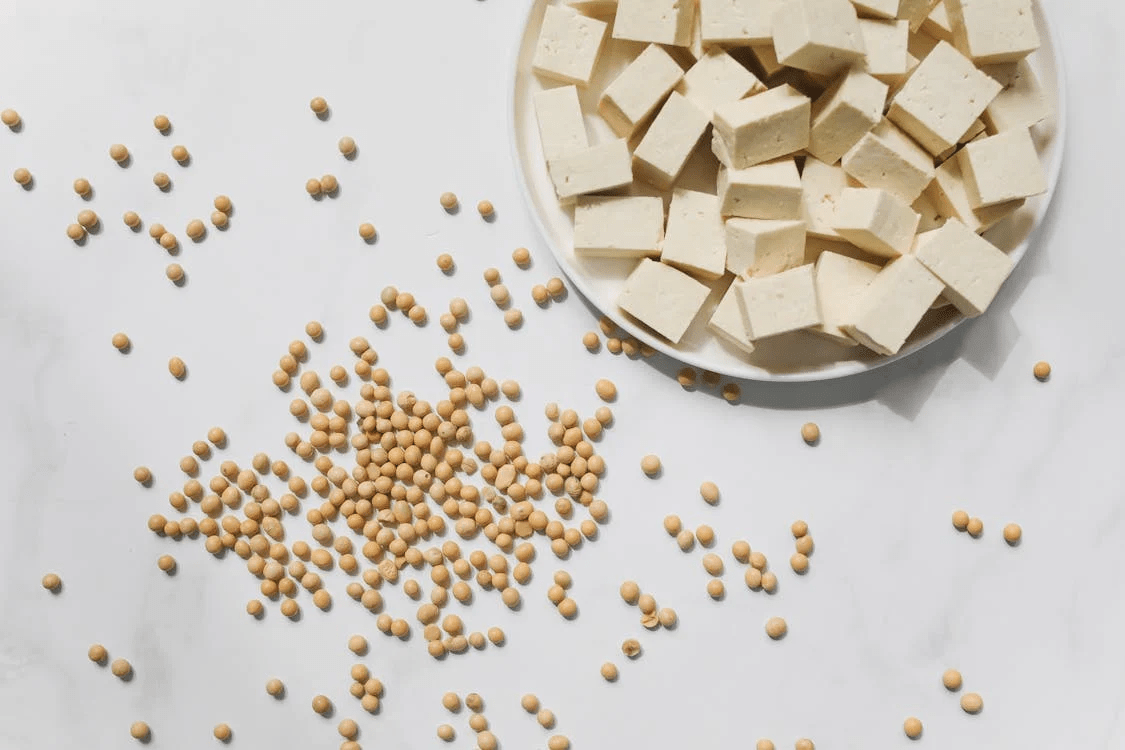
Soy products such as edamame, tofu, and miso have sparked discussions about their effects on thyroid health due to isoflavones—compounds found in soy that some researchers believe could potentially influence thyroid function. Although concerns exist, a study published in Scientific Reports found that soy has little to no effect on thyroid hormone levels and causes only a slight increase in thyroid-stimulating hormone (TSH).
The primary issue with soy lies in its ability to hinder the absorption of thyroid medication. Experts, including those at the Mayo Clinic, suggest spacing out your consumption of soy-based foods and thyroid hormone replacement by at least four hours to prevent any interaction.
For those managing hypothyroidism, moderation is crucial. Work closely with your doctor to strike the right balance and ensure soy doesn’t interfere with your treatment.
2. Cruciferous Vegetables: Broccoli, Cauliflower, and Cabbage

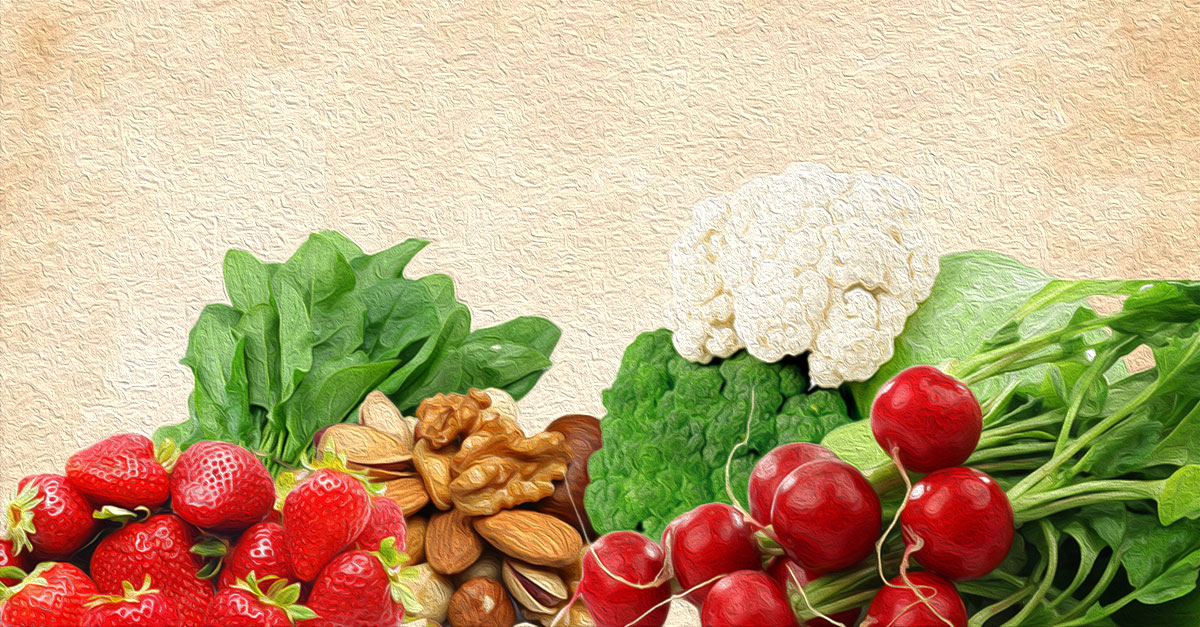
Cruciferous vegetables like broccoli, cauliflower, and cabbage often raise questions when it comes to hypothyroidism. These nutrient-rich vegetables are thought to interfere with thyroid hormone production, especially in individuals with iodine deficiency. The concern stems from compounds in these vegetables that may block the thyroid’s ability to absorb iodine—an essential element for healthy thyroid function.
However, recent insights from the Mayo Clinic suggest that the impact of cruciferous vegetables on thyroid health is minimal unless consumed in very large quantities. For most people, moderate intake of these vegetables is unlikely to disrupt iodine levels significantly or impair thyroid function.
If you enjoy cruciferous vegetables, there’s no need to eliminate them from your diet entirely. Instead, focus on balanced consumption and ensure your diet includes iodine-rich foods to support optimal thyroid health. Always consult with your healthcare provider to address specific dietary concerns related to hypothyroidism.
3. Gluten in Bread and Pasta
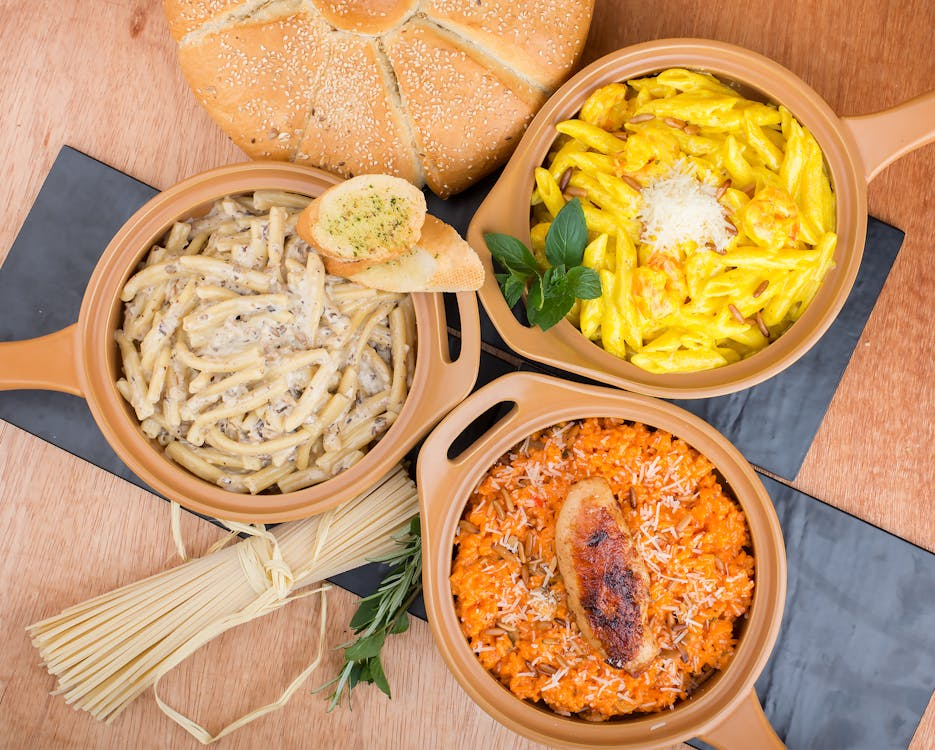
For individuals managing hypothyroidism, gluten—a protein found in wheat, barley, and rye—can sometimes be a topic of concern. Research has shown a connection between hypothyroidism and celiac disease, an autoimmune condition triggered by gluten. While a gluten-free diet has not been proven to directly treat thyroid conditions, some individuals may benefit from eliminating gluten, particularly if they have celiac disease or gluten sensitivity. Discussing testing and dietary adjustments with your doctor can help determine the best course of action.
If you choose to consume gluten, prioritize whole-grain options like whole-wheat bread and pasta. These provide valuable fiber and nutrients that can alleviate common hypothyroidism symptoms such as bowel irregularity. However, be mindful of timing—high-fiber foods can interfere with the absorption of thyroid hormone replacement medication. To avoid this, take your medication several hours before or after eating gluten-rich or high-fiber meals.
Ultimately, whether to include or exclude gluten in your diet should be a personalized decision based on your overall health and specific thyroid needs, guided by advice from your healthcare provider.
4. Fatty Foods: Butter, Fried Favorites, and Greasy Meats
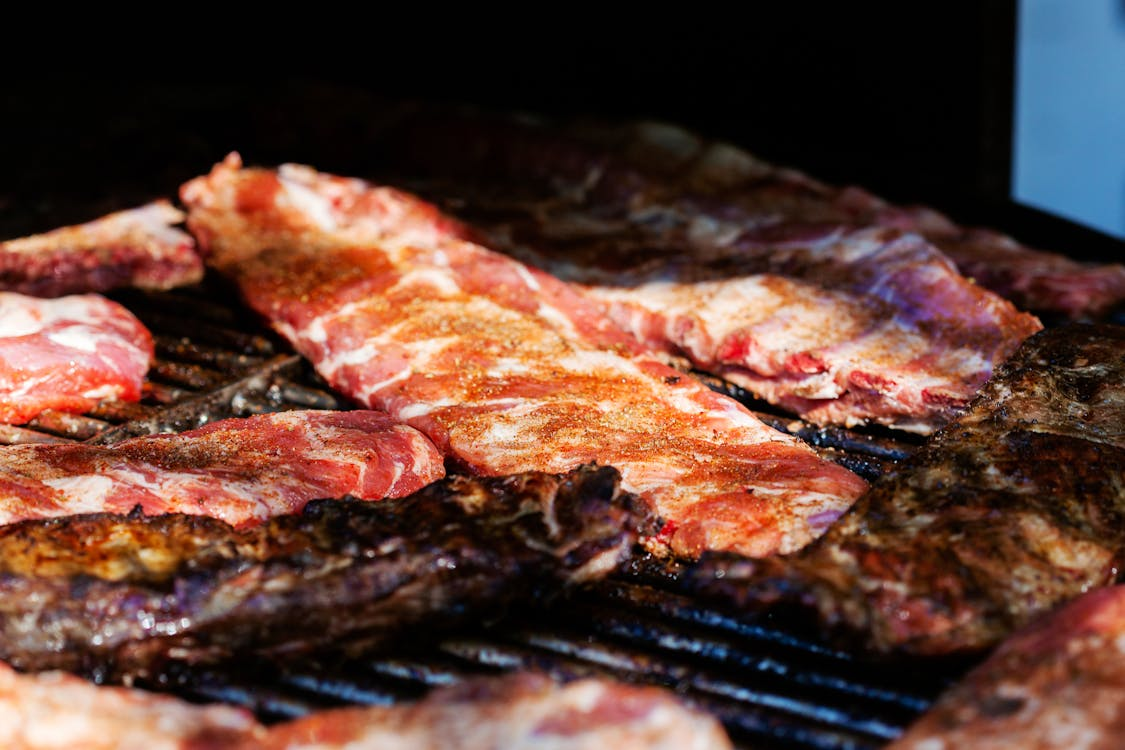
Fatty foods like butter, fried snacks, and rich cuts of meat can make managing hypothyroidism more challenging. Dr. Stephanie Lee, an expert from Boston Medical Center, explains that consuming too much fat can disrupt how your body absorbs thyroid hormone replacement medication. On top of that, these foods may interfere with your thyroid’s ability to produce hormones naturally.
To keep things running smoothly, many healthcare providers recommend skipping fried foods altogether and cutting back on high-fat staples like butter, margarine, and mayonnaise. Swapping out fatty meats for leaner options can also help support a healthier thyroid and overall well-being.
By dialing down the grease and fat in your diet, you’re not just improving your thyroid health—you’re setting yourself up for better energy and a more balanced lifestyle.
5. Sugary Treats: Cakes, Cookies, and Sweets

When managing hypothyroidism, sugary foods like cakes, cookies, and other sweet indulgences can pose a challenge. Hypothyroidism often slows down your metabolism, making it easier to gain weight if you’re not mindful of your diet. Sugary foods pack a lot of calories but offer little to no nutritional value, which can exacerbate weight management struggles associated with the condition.
To keep your health on track, it’s best to limit or even eliminate added sugars from your meals. This doesn’t mean you have to skip every treat—try replacing sugary snacks with healthier options like fresh fruit or low-sugar alternatives.
By cutting back on sugar, you’ll not only support a more stable metabolism but also avoid unnecessary spikes and crashes in energy, helping you feel your best while managing hypothyroidism.
6. Packaged and Processed Foods

Packaged and processed foods, often found in the frozen aisle or ready-to-eat sections, can be problematic for those with hypothyroidism. These products are typically loaded with sodium, which can be particularly harmful. Dietitian Ruth Frechman explains that an underactive thyroid increases the risk of high blood pressure, and consuming excessive sodium only heightens that risk.
If you rely on processed foods, it’s crucial to read the “Nutrition Facts” label carefully. Look for options with the lowest sodium content and keep your daily intake under 1,500 milligrams, as recommended by the American Heart Association for individuals at risk of high blood pressure.
By cutting back on processed foods and focusing on fresh, whole ingredients, you can better manage your thyroid health and reduce the likelihood of developing related complications. Simple swaps like fresh vegetables and homemade meals can make a big difference in your overall well-being.
7. Too Much Fiber from Beans, Legumes, and Vegetables

Fiber is essential for a healthy diet, but consuming it in excess can complicate hypothyroidism management. While the U.S. Department of Agriculture recommends that most adults aim for 25 to 38 grams of fiber daily—based on 14 grams per 1,000 calories—going beyond this range can disrupt your digestive system. High-fiber foods such as beans, legumes, vegetables, and whole grains may interfere with the absorption of thyroid hormone replacement medications, diminishing their effectiveness.
If you’re transitioning to a high-fiber diet or increasing your fiber intake significantly, consult your doctor about potential adjustments to your thyroid medication. Your dose may need to be recalibrated to ensure you’re absorbing enough of the hormone replacement therapy.
Balancing your fiber intake is key. Stick to the recommended amounts and incorporate a variety of fiber sources to support your digestive health without compromising your thyroid treatment. This approach can help you enjoy the benefits of fiber while keeping your thyroid health on track.
8. Coffee: Mind the Timing of Your Morning Cup

For coffee lovers with hypothyroidism, timing is everything. According to Dr. Stephanie Lee, caffeine can block the absorption of thyroid hormone replacement medications. “People who were taking their thyroid medication with their morning coffee had uncontrollable thyroid levels, and we couldn’t figure it out,” she explains. This discovery highlights the importance of pairing your medication with water instead of caffeinated beverages.
To prevent interference with your treatment, it’s recommended to wait at least 30 minutes after taking your medication before enjoying your first cup of coffee. This allows your body to fully absorb the medication and helps maintain stable thyroid hormone levels.
By making this small adjustment, you can enjoy your morning brew without compromising your thyroid health, ensuring your treatment works as effectively as possible.
9. Alcohol: Handle With Care
Alcohol doesn’t do your thyroid any favors. Research shows it can have a toxic effect on the thyroid gland, suppressing its ability to produce hormones and interfering with how your body uses thyroid hormone. For those with hypothyroidism, this can make managing the condition even more difficult.
If you’re dealing with hypothyroidism, cutting back on alcohol—or avoiding it altogether—is a smart move. Even small amounts can disrupt your thyroid’s balance, so it’s worth being mindful of how much you drink.
Making this change can help your thyroid function more smoothly and support your overall health, giving your body one less thing to battle as you manage your condition.
