
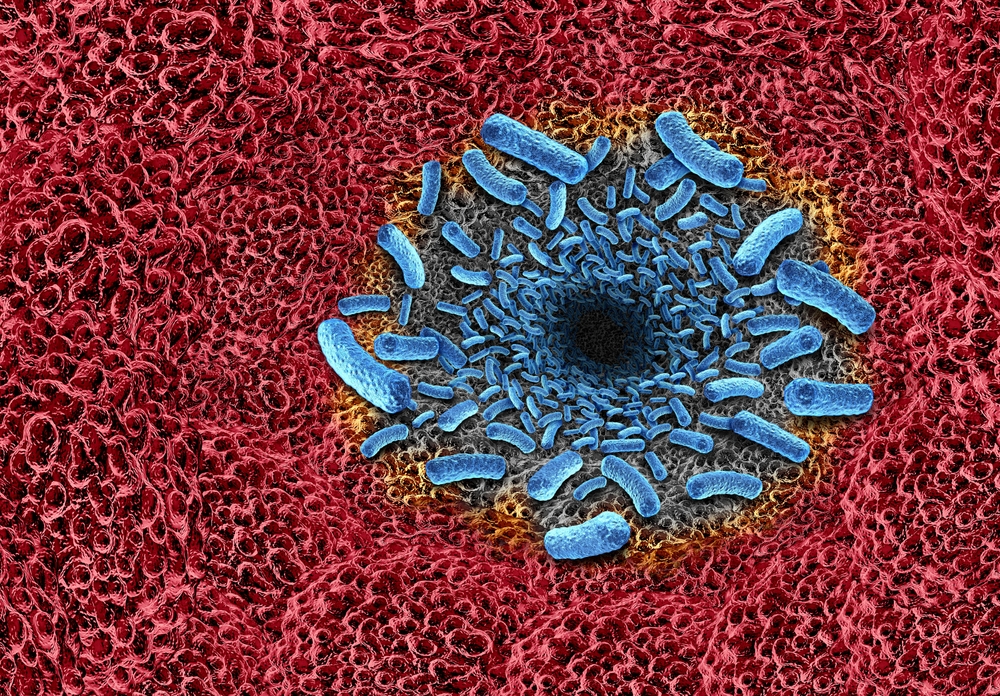
Health officials are raising concern across the Gulf Coast as cases of Vibrio vulnificus, often referred to as “flesh-eating bacteria,” continue to rise. Louisiana has confirmed 17 cases so far this year, all requiring hospitalization, and four people have died. Florida has reported 13 cases with four additional deaths. Mississippi and Alabama each recorded one case. Together, these numbers bring the death toll to at least eight people in just a matter of months, underscoring the seriousness of this bacterium that thrives in warm coastal waters and seafood.
The Centers for Disease Control and Prevention (CDC) estimates that Vibrio bacteria are responsible for around 80,000 illnesses annually in the United States. Most are not fatal, but when severe cases occur, they progress quickly and can be life-threatening. This surge has prompted urgent reminders about prevention and awareness, especially during the summer months when people are most likely to swim in the ocean or enjoy raw shellfish. Understanding how infections happen, what symptoms to watch for, who is most vulnerable, and how to prevent illness can make a life-saving difference.

How the Bacteria Spreads
Vibrio vulnificus naturally lives in saltwater and brackish water, which is the mix of freshwater and seawater found in estuaries and coastal areas. It thrives in warm temperatures, so infections are most common between May and October. People often encounter the bacteria without realizing it, since the water may look clean and inviting. If someone enters with a small scrape, cut, or even a fresh tattoo or piercing, the bacteria can easily enter through the broken skin and begin causing an infection.
Swimming or fishing are not the only ways people can be exposed. Eating raw or undercooked seafood, particularly oysters, is one of the most well-documented causes of Vibrio infections. Oysters filter large volumes of water to feed, which allows them to collect bacteria from their environment. When eaten raw, they can pass those bacteria directly to the person consuming them. Even one contaminated oyster is enough to cause serious illness. Thorough cooking eliminates this risk completely, yet the tradition of eating raw oysters continues to fuel cases every year.
This dual pathway—through wounds and through food—explains why the Gulf Coast sees recurring cases during the summer. Recreational activities bring more people into the water, and seasonal demand for seafood rises at the same time. Health officials stress that neither swimming nor eating seafood needs to stop, but understanding these routes of infection helps people make safer choices. Covering wounds, avoiding raw oysters, and knowing when to seek medical care can cut the risk significantly.

The Symptoms and Severity of Infection
The symptoms of a Vibrio infection depend on how the bacteria enter the body. When ingested through contaminated shellfish, the illness often looks like food poisoning. People typically experience watery diarrhea, stomach cramps, nausea, vomiting, and fever. In many cases, these symptoms resolve with medical care, but the illness can still be severe, particularly in those with underlying health conditions.
When Vibrio enters through a wound, the situation can escalate much faster. What may start as mild redness or swelling around the site can turn into blistering lesions, pus, and intense pain within hours. Because the bacteria attack soft tissue, infections can cause extensive damage, giving rise to the “flesh-eating” label in media reports. These infections can also spread beyond the initial site, sometimes involving entire limbs.
The most dangerous outcome occurs when the infection enters the bloodstream, leading to septicemia. This is marked by fever, chills, dangerously low blood pressure, and skin lesions beyond the wound itself. The CDC reports that about one in five people with this type of infection die, sometimes within 24 to 48 hours of the first symptoms. Survivors often face long recoveries, and doctors may need to amputate infected limbs to save lives. The speed and severity of these infections make early medical care critical, which is why officials urge people not to wait if they notice symptoms after water exposure or eating raw shellfish.

Who Is Most at Risk
While anyone can get a Vibrio infection, not everyone faces the same level of danger. People with weakened immune systems are much more likely to develop severe or life-threatening illness. This includes individuals with chronic liver disease, diabetes, or conditions requiring immune-suppressing medications. For these groups, what starts as a mild infection can escalate rapidly and overwhelm the body’s defenses.
Older adults are also at greater risk, in part because they are more likely to have chronic health problems that reduce their ability to fight infections. This helps explain why many fatal cases are reported in older patients. However, cases in healthy adults and even younger people have also been documented. These situations serve as reminders that no one is completely protected from risk.
Experts emphasize that risk is not confined to any one group. A healthy person with a minor wound who goes swimming in warm brackish water could still develop a severe infection. Similarly, anyone who consumes raw or undercooked oysters can be exposed. Public health messages therefore focus on universal precautions, encouraging everyone to take steps to reduce risk rather than assuming only certain groups need to be careful.
Preventing Infections and Staying Safe
Most Vibrio infections can be prevented with straightforward measures. Avoiding contact between open wounds and seawater is one of the most effective ways to reduce risk. Covering cuts with waterproof bandages offers some protection, though the safest option is to stay out of the water until the skin is healed. This advice extends to tattoos and piercings, which also count as open wounds.
Seafood safety is equally important. Cooking oysters and other shellfish thoroughly destroys the bacteria and makes them safe to eat. The CDC highlights a simple rule: raw is risky, cooked is safe. While the tradition of eating raw oysters is common in many coastal communities, choosing cooked options is the most reliable way to avoid infection. Restaurants that serve oysters may post advisories, but individuals ultimately decide whether to accept that risk.
Finally, quick medical care is crucial if infection does occur. Antibiotics can treat Vibrio effectively when started early, but delays in seeking help can limit treatment options. Once the bacteria cause extensive tissue damage or spread to the bloodstream, doctors may need to use surgery or even amputation. Because of this, health officials urge people not to dismiss early signs like redness, swelling, or fever after seawater exposure. Acting quickly can mean the difference between recovery and a life-threatening emergency.

A Call to Awareness and Responsibility
The recent increase in cases shows how a bacterium that lives naturally in coastal waters can turn deadly when conditions are right. Climate trends suggest that warmer waters could make these infections more common in the years ahead, especially during the summer. At the same time, coastal communities rely heavily on tourism and seafood, so people will continue swimming and eating shellfish. The solution is not avoidance but smarter choices that lower the risk of infection.
For individuals, this means covering wounds, avoiding raw oysters, and knowing when to seek care. For families and communities, it means paying attention to health advisories and making prevention part of regular routines. Health experts emphasize that these infections are rare, but when they do occur, they are often preventable with simple steps.
Public health officials stress that the goal is not to cause fear but to promote awareness. By understanding how Vibrio spreads and recognizing symptoms early, people can protect themselves and others. Staying informed, making practical choices, and seeking medical care when needed are the most effective tools we have to prevent more tragedies.
