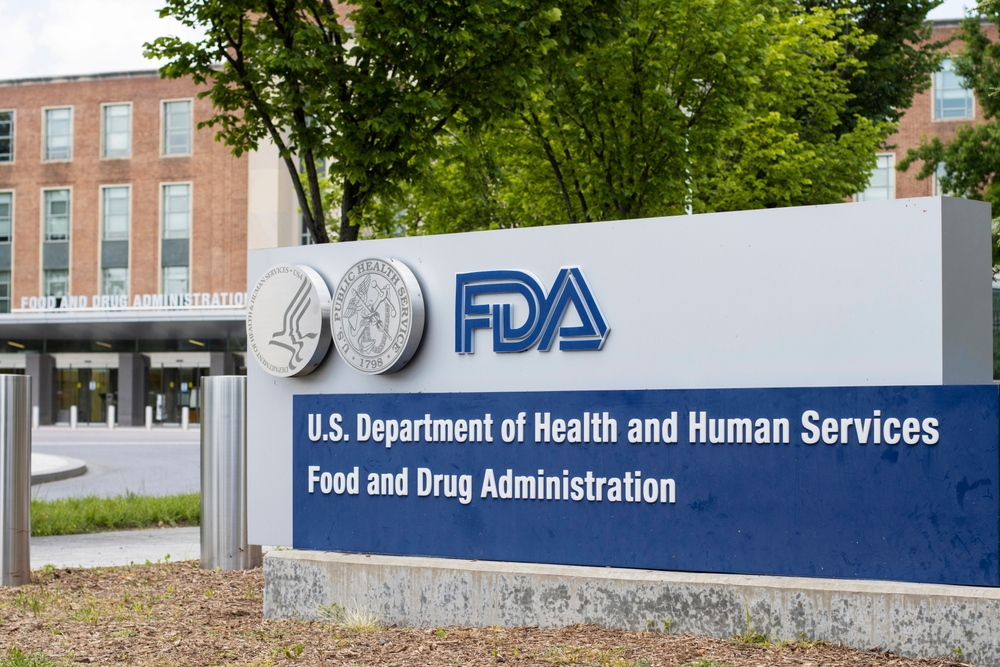
After decades of waiting, a groundbreaking shift has emerged in the treatment of schizophrenia. For over 30 years, the medical community has relied on variations of the same approach to managing this complex mental health condition, leaving patients and families yearning for innovation. Now, a newly approved drug promises to rewrite the narrative, offering fresh hope for those living with the challenges of schizophrenia.
This development not only marks a milestone in medical research but also unveils a novel mechanism that could redefine how the condition is treated. What sets this drug apart, and why are experts calling it a game-changer?
Schizophrenia: A Global Challenge

Schizophrenia is a severe mental disorder that profoundly impacts individuals and societies worldwide. According to the World Health Organization (WHO), it affects approximately 24 million people globally, equating to about 1 in 300 individuals (0.32%). Among adults, this rate is slightly higher, at approximately 0.45% or 1 in 222 people.
The disorder typically manifests in late adolescence or early adulthood and is characterized by distortions in thinking, perception, emotions, language, sense of self, and behavior. Common symptoms include hallucinations, delusions, and cognitive impairments, which can lead to significant challenges in daily functioning, employment, and interpersonal relationships. The onset tends to occur earlier in men than in women.
Schizophrenia is among the top 15 leading causes of disability worldwide. Individuals with schizophrenia are 2 to 3 times more likely to die earlier than the general population, often due to preventable physical diseases such as cardiovascular disease, metabolic disease, and infections.
Treatment adherence remains a significant hurdle in managing schizophrenia. Factors contributing to non-adherence include lack of insight, distressing side effects, and environmental influences. A study highlighted that approximately one-third of patients referred for treatment-resistant schizophrenia had subtherapeutic or undetectable serum levels of prescribed antipsychotics, indicating challenges in consistent medication intake.
The economic burden of schizophrenia is substantial, encompassing direct medical costs, indirect costs related to loss of productivity, and societal costs associated with caregiving and support services. Despite the availability of various antipsychotic medications, achieving optimal treatment outcomes is often complicated by factors such as side effects, partial efficacy, and patient adherence.
What Sets Cobenfy Apart

Cobenfy introduces a paradigm shift in the treatment of schizophrenia by targeting cholinergic receptors, offering a novel mechanism distinct from traditional antipsychotics. While most existing medications focus on altering dopamine levels, Cobenfy leverages acetylcholine pathways to address core challenges such as hallucinations, delusions, and cognitive disruptions. This unique approach provides an alternative for patients who struggle with the limitations of dopamine-based therapies.
The combination of xanomeline and trospium chloride in Cobenfy creates a balanced therapeutic approach. Xanomeline selectively stimulates muscarinic receptors, particularly M1 and M4 subtypes, linked to memory, attention, and symptom modulation. Trospium chloride complements this by mitigating peripheral side effects, ensuring the medication is both effective and tolerable. According to Dr. Tiffany Farchione from the FDA, “This drug takes the first new approach to schizophrenia treatment in decades.”
Cobenfy’s advantages extend beyond its novel mechanism. Clinical trials demonstrated significant reductions in schizophrenia symptoms, with only 6% of patients discontinuing treatment due to side effects—a marked improvement compared to the 20–30% dropout rates observed with older antipsychotics. This improved tolerability profile suggests that Cobenfy may help address the long-standing challenge of treatment adherence. Additionally, it avoids common side effects like weight gain, sedation, and movement disorders, which often discourage patients from continuing traditional treatments.
As Dr. Leslie Citrome of New York Medical College noted, “This will provide a new approach that may work out quite nicely, especially for patients who don’t tolerate what has been available.” With its broad-spectrum efficacy and tolerability, Cobenfy represents a breakthrough for individuals seeking more manageable and effective solutions for schizophrenia.
Clinical Trials and Efficacy

Cobenfy’s approval is grounded in robust clinical evidence demonstrating its efficacy and safety in treating schizophrenia. The pivotal studies, EMERGENT-2 and EMERGENT-3, were both five-week, randomized, double-blind, placebo-controlled trials involving acutely psychotic hospitalized adults diagnosed with schizophrenia. Participants were randomized to receive either Cobenfy or a placebo, with dosages titrated to optimal levels during the study period.
In both trials, Cobenfy met its primary endpoint, showing statistically significant reductions in schizophrenia symptoms compared to placebo, as measured by the Positive and Negative Syndrome Scale (PANSS) total score change from baseline to week five.
Beyond the acute treatment phase, the EMERGENT-4 and EMERGENT-5 trials provided insights into Cobenfy’s long-term efficacy and safety. These 52-week, open-label studies demonstrated that continued treatment with Cobenfy was associated with sustained improvements in schizophrenia symptoms, with a side effect profile consistent with earlier trials. Notably, a majority of participants reported quality of life enhancements across physical, social, emotional, and role functioning domains.
Challenges and Considerations
While Cobenfy introduces a novel approach to schizophrenia treatment, several challenges and considerations accompany its use. One primary concern is the potential for side effects. Common adverse reactions reported during clinical trials include nausea, indigestion, constipation, vomiting, hypertension, abdominal pain, diarrhea, increased heart rate, dizziness, and gastroesophageal reflux disease. These side effects, although generally manageable, necessitate careful monitoring, especially during the initial stages of treatment.
Another consideration is the long-term efficacy and safety of Cobenfy. While short-term studies have demonstrated its effectiveness in reducing schizophrenia symptoms, the duration of these studies was limited. As noted by Verywell Health, “Clinical trials for Cobenfy showed no significant weight gain or treatment discontinuation, but long-term effectiveness remains uncertain due to short study durations.”
Additionally, the cost of Cobenfy may pose a barrier to accessibility for some patients. The wholesale price is set at $1,850 per month, which equates to $22,500 annually. This pricing may impact insurance coverage decisions and out-of-pocket expenses for patients, potentially limiting its widespread adoption.
Furthermore, as with any new medication, there is a need for ongoing research to fully understand Cobenfy’s place in the treatment landscape. Comparative studies with existing antipsychotics, evaluations of its impact on different patient populations, and real-world effectiveness assessments are essential to determine its optimal use.
Future Possibilities and Considerations

The approval of Cobenfy also paves the way for exploring its potential beyond schizophrenia. Researchers are investigating its effectiveness in treating conditions like Alzheimer’s disease psychosis and Bipolar I disorder, which share overlapping neurochemical pathways. This ongoing research underscores the broader implications of targeting cholinergic receptors for neurological and psychiatric disorders.
Despite its promise, some challenges remain. The high cost of treatment—approximately $1,850 per month—may limit accessibility for many patients. Additionally, while early trials suggest a favorable safety profile, long-term studies are needed to fully understand its impact over extended periods. Experts emphasize the importance of careful monitoring, particularly in patients with pre-existing liver or kidney conditions, as these are contraindications for the medication.
As Dr. Samit Hirawat from Bristol Myers Squibb remarked, “Cobenfy’s reduced side effects and innovative mechanism offer hope, but ongoing research will be key in determining its broader applications.”
The Road Ahead for Mental Health Innovations
The approval of Cobenfy by the FDA heralds a transformative moment in the treatment of schizophrenia, a condition that has long challenged patients and clinicians alike. By introducing a novel mechanism of action targeting muscarinic receptors, Cobenfy offers a fresh approach to managing a disorder that affects millions globally. Its potential to alleviate symptoms with fewer side effects marks a significant departure from traditional antipsychotic therapies, bringing new hope to those for whom existing options have fallen short.
Yet, this breakthrough is only the beginning. As research continues to explore Cobenfy’s applications beyond schizophrenia, the drug symbolizes the possibilities of innovative science meeting unmet medical needs. The lessons learned from its development could inspire future advancements in mental health care, paving the way for more effective and personalized treatment strategies.
For patients, families, and healthcare providers, Cobenfy is more than a medication—it is a reminder that progress in the fight against mental illness is possible. As more data emerges and access improves, the ripple effects of this approval may extend far beyond schizophrenia, impacting the broader landscape of neuropsychiatric care and offering hope to millions navigating the complexities of mental health disorders.