
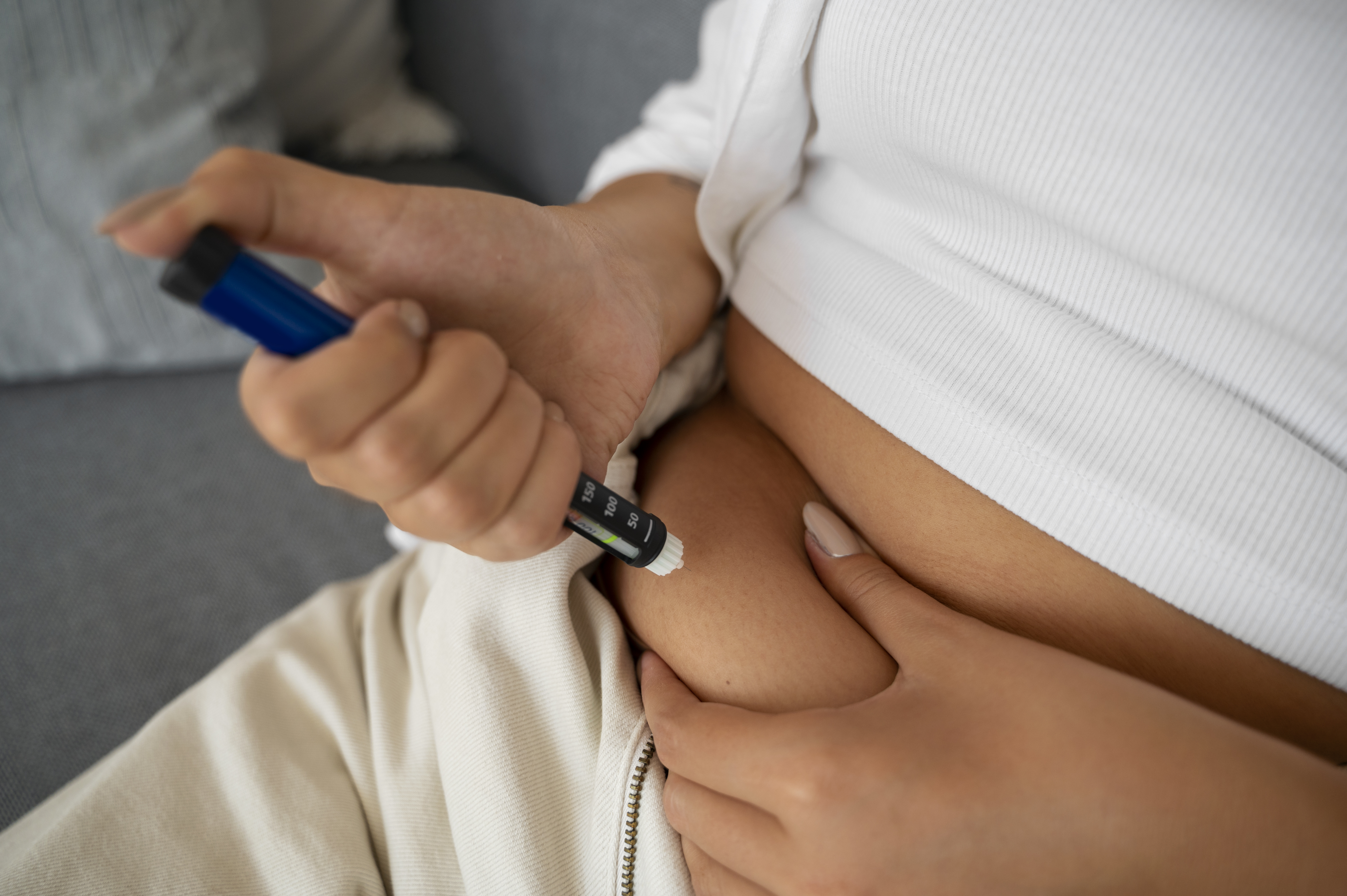
Weight loss shots have taken over our feeds, turning a complex medical treatment into what feels like a viral trend. But as popularity surges, so does the gap between how these drugs are prescribed and how they’re actually being used. Doctors are now warning that “DIY” dosing habits and the tendency to quit treatment without a plan are creating health risks that go far beyond the side effects listed on the box.
Prescription by Platform: The Rise of Social Media Dosing ‘Hacks’
With one in eight Americans now utilizing weight loss medications, online platforms have become a primary source of information. While finding community support on apps like TikTok or Reddit offers emotional benefits, experts caution that these platforms are breeding grounds for dangerous misinformation. A study published in PLOS Global Public Health highlights how patients are increasingly turning to social media rather than medical professionals to manage their treatment.

Researchers found that users routinely alter their dosing schedules based on internet advice rather than doctor recommendations. Common risky practices include “counting clicks” on injection pens to micro-dose, spacing out injections to make prescriptions last longer, or randomly stopping and restarting treatment. These strategies often arise as a response to high costs and supply shortages.
While these “hacks” might give patients a false sense of control over their healthcare, they amplify safety risks. Unsupervised dosing makes it difficult to track side effects accurately and complicates the medical management of obesity. The normalization of these off-label practices on social media threads blurs the line between helpful tips and hazardous medical errors.
What Happens When You Quit

Beyond the dosing confusion, there is a harsh biological reality for those who view these drugs as a temporary fix. A meta-analysis by Stamford Health reveals a concerning trend: patients who stop taking GLP-1 medications typically regain about 60% of their lost weight within a few months to a year. This occurs even among those who maintain the lifestyle modifications they adopted during treatment.
Suzanne Rose, PhD, Executive Director of Research at Stamford Health, notes the psychological toll this cycle takes. “That can be a devastating thing for the patient to deal with,” she warns.
The reason for this rebound lies in the nature of obesity itself. Medical experts increasingly define obesity as a chronic disease, much like hypertension, rather than a simple lack of willpower. Just as stopping blood pressure medication causes blood pressure to rise, stopping weight loss medication allows the biological forces regulating weight to return to their previous state.
While cost, side effects like nausea, or “needle fatigue” often drive patients to discontinue treatment, doing so forfeits the metabolic protection the drugs provide. Dr. Maria Cecilia Asnis, Medical Director of the Center for Weight Management at Stamford Health, emphasizes that these medications are designed for long-term use. When the weight returns, so do the associated risks for heart disease, diabetes, and other comorbidities.
Avoiding the Malnutrition Trap

While the biological rebound is a major concern when stopping, a different set of risks exists while actively taking the medication. There is a common misconception that GLP-1s are “miracle drugs” that do all the work, similar to a vaccine. However, experts stress that the user still plays a critical role in the drug’s effectiveness and safety, particularly regarding nutrition.
Because these drugs powerfully suppress appetite and silence “food noise,” users naturally eat significantly less. Shannon Christen, a registered dietitian at UCHealth, explains the magnitude of this shift: “We encourage them to eat 50% of what they would normally eat without the medication.”
This drastic reduction in calories creates a new challenge: the nutrient density gap. If a patient simply cuts their usual diet in half without changing what they eat, they risk malnutrition. Eating half a burger and fries might reduce calories, but it leaves the body starved of essential building blocks.
“It’s got to be really intentional and nutritious,” Christen advises. “Because, if you’re only able to eat 50%, you should make every bite as nutritious as possible.”
Experts recommend prioritizing protein (aiming for about 1.2 grams per kilogram of body weight) to preserve muscle mass, and increasing fiber intake to counteract constipation—a common side effect. Hydration is equally critical, as the medication often diminishes the thirst drive.
How Weight-Loss Drugs Are Silencing Cravings

One of the most talked-about effects of these drugs isn’t just a full stomach—it’s what users call the silencing of “food noise.” Erin Cahoon, a registered dietitian at UCHealth, explains this concept as “a constant nagging to eat something—you just can’t stop thinking about food.” For many, this mental chatter makes dieting feel impossible. GLP-1s change that by targeting the brain receptors responsible for those intrusive thoughts, effectively turning down the volume.
This shift makes eating less feel approachable rather than a white-knuckle test of endurance. But this quieting effect seems to work on more than just hunger. Emerging studies back up reports from patients who notice they also lose the urge to drink alcohol, smoke, or even gamble and shop excessively.
It’s a powerful reminder that obesity often stems from biological drivers, not a personality flaw. When the chemical signals for reward and craving are dampened, the constant battle against impulse control suddenly becomes a lot easier to win.
Managing Side Effects and Maximizing Results

Success on these medications requires more than just the weekly injection; it demands a strategic approach to daily habits to mitigate side effects and ensure proper nourishment. Experts suggest several adjustments to make the process smoother and safer.
- Prioritize Protein: With a suppressed appetite, muscle loss is a genuine risk. Make every bite count by focusing on high-protein sources like eggs, fish, chicken, tofu, or Greek yogurt.
- Hydrate and Fiber Up: Constipation and nausea are the most frequent complaints. Combat them by drinking 8 to 10 glasses of water daily and incorporating fiber-rich foods like oats, berries, and lentils. If dietary fiber isn’t enough, psyllium-based supplements can help.
- Adjust Meal Frequency: Because GLP-1s slow down stomach emptying, large meals often lead to significant discomfort. Transitioning to five or six small, nutrient-dense meals throughout the day can prevent nausea and keep energy levels stable.
- Identify Triggers: Fried and greasy foods are known to exacerbate nausea. Similarly, alcohol and sugary ultra-processed foods provide empty calories that displace the nutrients your body desperately needs.
- Keep Moving: Exercise remains a pillar of health. Simple activities like walking or running not only support weight maintenance but also aid digestion and help relieve constipation.
A Long-Term Commitment, Not a Quick Fix

The rapid rise of weight loss medications has fundamentally shifted how we treat obesity, offering hope where diet and exercise alone often fall short. Yet, as the excitement settles, a crucial truth emerges: these drugs are tools, not magic wands. The findings from Stamford Health and other experts underscore that obesity is a complex, chronic condition requiring continuous care, much like diabetes or hypertension.
Treating these powerful medications as casual, temporary “hacks” based on social media trends undermines their potential and jeopardizes health. The cycle of starting, stopping, or dosing based on an influencer’s advice invites serious metabolic and nutritional risks.
The most effective path forward involves a shift in perspective. Patients must view this treatment as a long-term partnership with their medical provider, not a short sprint to a goal weight. It requires an honest conversation about the commitment involved, covering both financial and physical aspects.
By respecting the science, prioritizing nutrition, and maintaining open lines of communication with healthcare professionals, patients can harness the full benefit of these treatments while minimizing the risks. The journey to better health is a marathon, and there are no shortcuts, even with the best medicine in hand.
Source:
- Jensen, S. D., Gualano, B., Andreassen, P., Scagliusi, F. B., SturtzSreetharan, C., & Brewis, A. (2025). Beyond the prescription: Global observations on the social implications of GLP-1 receptor agonists for weight loss. PLOS Global Public Health, 5(12), e0005516. https://doi.org/10.1371/journal.pgph.0005516
