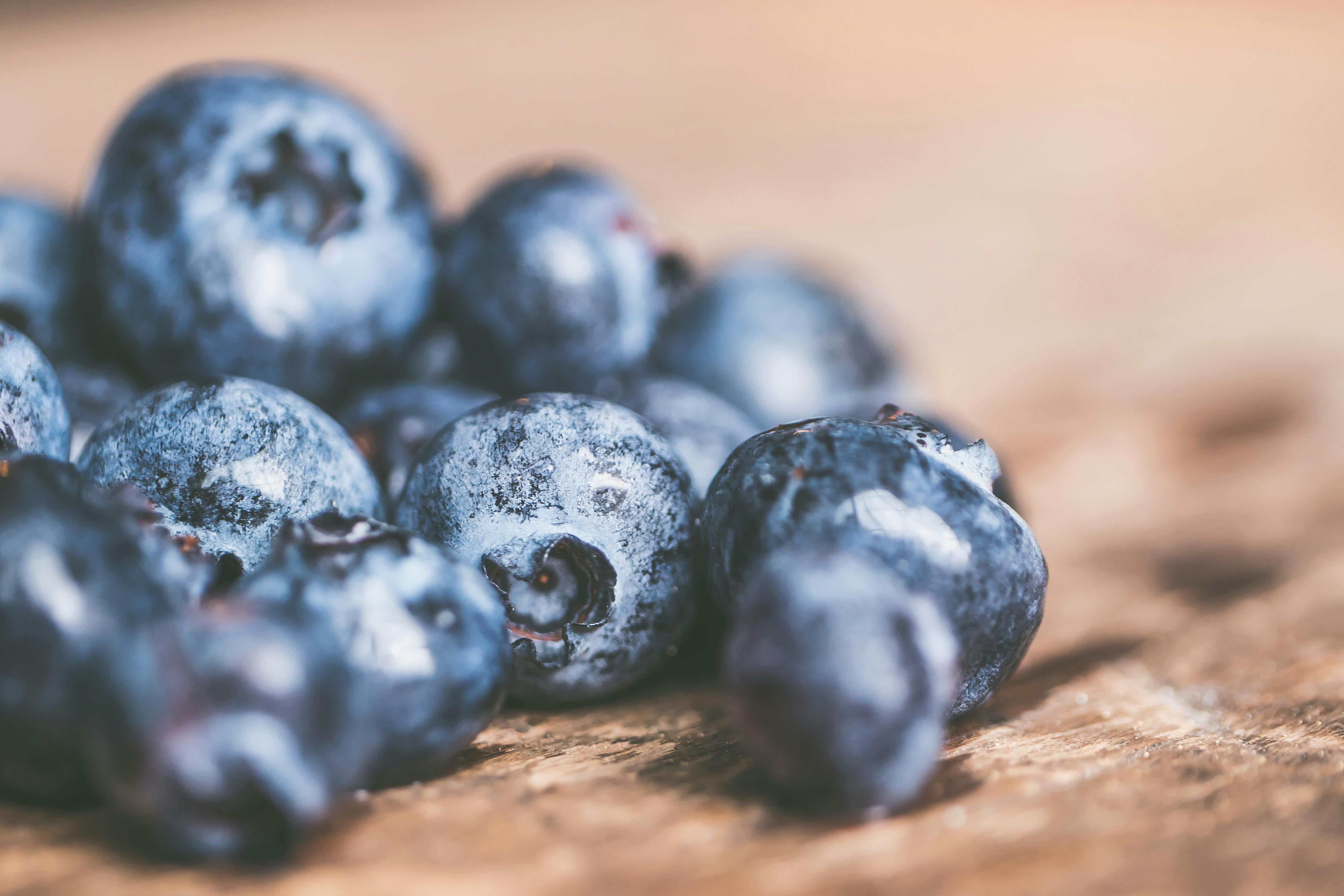
Can a fist-sized serving of fruit really lower blood pressure and sharpen reaction time? In a 12-week trial at King’s College London, adults who added the nutritional equivalent of one cup of blueberries to their day shaved 3.6 mmHg off systolic readings and scored higher on memory tests—without changing anything else. That same cup slips in just 84 calories, 4 grams of fiber, and roughly 300 milligrams of anthocyanins, the pigments that give blueberries their deep color and their science-backed edge.
If those numbers feel modest, consider the reach: healthier arteries, better glucose control, a more diverse gut microbiome, and faster workout recovery have all shown up in controlled studies of regular blueberry eaters. The research is piling up, yet the habit is as simple as pouring berries over oatmeal or straight into your palm.
So let’s follow that cup of blueberries through the body—first to its nutrient stats, then to the heart, brain, metabolism, and gut—before landing on realistic ways to make the most of this small, potent fruit every day.
What’s Inside a Blueberry: The Nutrient Breakdown
Blueberries may be small, but they deliver a concentrated hit of essential nutrients and bioactive compounds. A single cup of raw blueberries (about 148 grams) contains:
- Calories: ~84–96
- Fiber: 4 grams
- Natural Sugar: 14 grams
- Vitamin C: 12 mg (about 14% of the daily value)
- Vitamin K: 29 mcg (about 24% DV)
- Potassium: 129 mg
- Anthocyanins: ~300 mg (based on freeze-dried equivalents used in clinical studies)

The standout nutrient here is anthocyanins plant-based compounds that give blueberries their deep blue color and are central to their health effects. These polyphenols have been shown to help lower inflammation, improve blood vessel function, and support brain health by protecting neurons.
On top of that, the 4 grams of dietary fiber support digestion, feed beneficial gut bacteria, and help manage blood sugar levels. The vitamin C in blueberries supports immune function and skin repair, while vitamin K contributes to blood clotting and bone strength.
What’s missing is also important: zero saturated fat, zero sodium, and no added sugars. The natural sugar in blueberries is packaged with fiber and polyphenols, making it far less likely to cause blood sugar spikes than refined sweets.
What the Research Shows

Cardiovascular disease remains the leading cause of death worldwide but according to multiple clinical trials, something as simple as a daily serving of blueberries could help tilt the odds in your favor.
The key players here are anthocyanins, the antioxidant compounds that give blueberries their color. These compounds have been shown to improve endothelial function that’s how well your blood vessels dilate and contract, a critical factor in maintaining healthy blood pressure and circulation. In one randomized, placebo-controlled study from King’s College London, participants who consumed the equivalent of one cup of blueberries daily for 12 weeks saw a 3.6 mmHg drop in systolic blood pressure and measurable improvements in blood vessel responsiveness.
That’s not a fringe finding. Similar results have been echoed in other research, including observational studies linking higher anthocyanin intake with a reduced risk of heart attacks, particularly in women. A 2013 Harvard study that followed over 90,000 women for 18 years found that those who consumed more anthocyanins had a 32% lower risk of heart attack compared to those who consumed less.
Beyond blood pressure, blueberries may also help with cholesterol regulation. While they don’t lower LDL (“bad” cholesterol) dramatically on their own, anthocyanins seem to help prevent oxidative damage to LDL particles—a factor that contributes to artery-clogging plaque.
Registered dietitian Mandy Tyler, RD emphasizes that these cardiovascular effects stem not just from individual nutrients but from the synergy of fiber, polyphenols, and vitamins working together. “It’s the whole fruit—not just one compound—that delivers the benefit,” she says.
Brain Benefits: Supporting Memory and Focus

Blueberries have earned their reputation as “brain food,” and the science backs it up. Their benefit to cognitive function isn’t speculative it’s been measured in real-world studies, from brain scans to memory tests.
The key once again is anthocyanins, a class of flavonoids that can cross the blood-brain barrier and influence the brain directly. These compounds appear to reduce oxidative stress, support neuronal signaling, and increase blood flow to brain regions involved in memory and decision-making.
A notable 12-week clinical trial published in the American Journal of Clinical Nutrition found that older adults (ages 65–80) who consumed the equivalent of one cup of wild blueberries daily showed improvements in executive function, short-term memory, and reaction time compared to a placebo group. These aren’t vague claims performed better on tasks involving word recall and task-switching accuracy.
And it’s not just older adults seeing benefits. A smaller study involving middle-aged participants (ages 40–65) found that consuming one cup of wild blueberries with breakfast enhanced episodic memory and executive function within hours. This suggests blueberries can support cognitive performance across the lifespan, not just as a buffer against age-related decline.
What’s happening under the hood? Improved cerebral blood flow is one factor. Researchers believe polyphenols, including anthocyanins, stimulate nitric oxide pathways that help relax blood vessels, boosting oxygen delivery to the brain. There’s also early evidence that blueberries may interact with the gut-brain axis by positively influencing gut bacteria that produce neuroactive compounds.
Metabolic and Gut Support: Steady Blood Sugar and a Happier Microbiome

Blueberries don’t just benefit your heart and brain—they also play a meaningful role in blood sugar regulation, digestion, and gut health. Thanks to their unique mix of fiber and polyphenols, they help stabilize glucose levels and support a healthier, more resilient microbiome. Here’s how those small berries deliver big metabolic support:
1. Smoother Blood-Sugar Curves
Blueberries bring sweetness without the typical spike. Their fiber slows digestion, while anthocyanins appear to make cells respond better to insulin. In a six-week randomized trial of adults with insulin resistance, participants who drank a blueberry-rich smoothie improved insulin sensitivity by about 22 percent four-times the gain seen in the placebo group.
Longer studies echo the finding. Metabolic-syndrome patients who added freeze-dried blueberries to their diets for six months showed lower HbA1c and fructosamine, two key markers of long-term glucose control. Epidemiologists also link higher blueberry intake to lower odds of developing type 2 diabetes, reinforcing the clinical data.
2. Fiber-Fueled Digestion
That same cup supplies 4 grams of dietary fiber, about 12–18 percent of the daily target. Fiber keeps things moving, feeds beneficial gut bacteria, and helps keep LDL cholesterol in check all wins for metabolic health according to sports dietitian Mandy Tyler, RD.
3. Remodeling the Microbiome
Blueberry polyphenols don’t stop in the small intestine; they travel to the colon where gut microbes break them down into compounds that can lower inflammation body-wide. A 2024 review in Frontiers in Nutrition analyzed 16 animal studies and noted consistent gains in microbial diversity and drops in inflammatory markers after blueberry feeding.
Early human data point in the same direction. Older adults who ate generous amounts of blueberries for eight weeks showed shifts in gut bacteria toward species better at metabolizing polyphenols—a change researchers say could boost the gut’s anti-inflammatory capacity.
Registered dietitian Sheri Gaw, RDN sums it up: “Blueberries appear to nurture a microbiome that, in turn, supports immune and metabolic health.”
Research is moving fast, but not all studies are in humans yet, and some use concentrated powders rather than whole berries. For now, aim for ½–1 cup daily alongside other fruits and high-fiber foods to keep digestion comfortable and benefits on track.
How to Actually Eat Blueberries Every Day

Adding blueberries to your daily routine doesn’t require a complicated meal plan or expensive supplements—it just takes consistency and a few smart pairings. Here’s how to keep it simple and effective.
1. Stick to a Realistic Serving Size
Most research shows benefits with a daily intake of ½ to 1 cup of blueberries. That’s about 75–150 berries, depending on size. It’s enough to deliver the anthocyanins and fiber your body can use, without overloading on natural sugar or fiber.
2. Choose Fresh or Frozen (Skip the Sugar-Coated Stuff)
- Fresh blueberries are ideal when in season look for plump berries with a silvery sheen.
- Frozen blueberries are flash-frozen at peak ripeness and retain nearly all their nutrients. They’re a solid year-round option, especially for smoothies or oatmeal.
- Avoid dried, sugar-coated, or syrup-packed versions, which often come with extra calories and diminished nutritional value.

3. Easy Ways to Work Them In
- Top your breakfast: Sprinkle on oatmeal, yogurt, or cottage cheese.
- Blend into smoothies: Add a handful with spinach, banana, and plain Greek yogurt.
- Snack straight: Rinse and eat by the handful or pair with a small piece of dark chocolate or nuts.
- Toss into salads: Blueberries add brightness to savory dishes like spinach or grain bowls.
- Bake smart: Mix into whole-grain muffins, pancakes, or overnight oats—just avoid recipes loaded with added sugar.
4. Watch for Overdoing It
More isn’t always better. Eating too many blueberries in one sitting—especially more than 2 cups—can lead to:
- Bloating or digestive discomfort, due to the fiber load
- Higher natural sugar intake, which may affect blood sugar if unbalanced
- Potential kidney stone risk in people sensitive to oxalates
Stick to a consistent, moderate portion, and rotate with other colorful fruits for balance.
One Small Change, Big Health Returns
You don’t need a radical diet overhaul or expensive supplements to support heart health, cognitive function, blood sugar control, and gut health. You just need a consistent, evidence-backed habit and a daily serving of blueberries fits the bill.
Decades of research point to real physiological changes from a small, daily dose: lower blood pressure, sharper memory, better insulin response, and a more balanced microbiome. The impact isn’t theoretical it’s been measured in clinical trials and supported by dietitians who see it play out in real people.
What sets blueberries apart isn’t just their nutrient profile it’s their accessibility and versatility. They’re easy to add, easy to enjoy, and easy to stick with. Whether you toss them on your breakfast, blend them into a smoothie, or eat them straight out of the container, they’re a low-effort food with high-impact potential.
If you’re going to build just one small, sustainable nutrition habit this year, make it this: Eat a half to one cup of blueberries every day. It’s simple. It’s supported by science. And your heart, brain, gut and taste buds will thank you.