
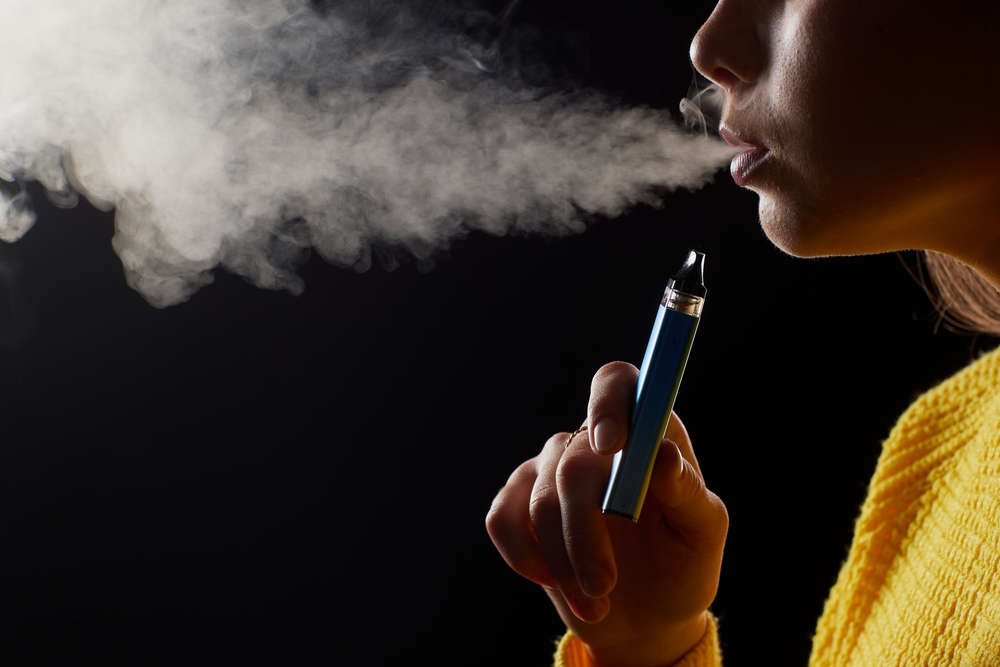
Vaping was once marketed as the cleaner, safer alternative to smoking. Sleek devices replaced cigarette packs. Fruity, dessert inspired flavors replaced the harsh smell of tobacco. For many young people especially, it felt like a modern habit with fewer consequences.
But in clinics and emergency rooms across the United States, doctors began noticing something unsettling. Teenagers and young adults with no long history of smoking were arriving with serious breathing problems. Some struggled to climb stairs. Others experienced sharp chest pain or persistent coughing that would not go away. In severe cases, patients were hospitalized with life threatening lung damage.
Now, health experts are warning that certain flavored vaping products, particularly those containing chemicals such as diacetyl and vitamin E acetate, may cause inflammation and permanent scarring deep inside the lungs. And the flavor profile most closely associated with one of these chemicals is warm, buttery, or custard like.
The Flavor That Sparked Alarm
The concern centers on a chemical called diacetyl. It is commonly used in food production to create a rich, buttery taste. For years, it was used in microwave popcorn manufacturing. In the early 2000s, factory workers exposed to high levels of airborne diacetyl began developing a rare lung condition known as bronchiolitis obliterans. The illness later became widely known as popcorn lung.
Bronchiolitis obliterans damages the tiny airways of the lungs, called bronchioles. These small passages become inflamed and scarred, which narrows them and makes it harder for oxygen to move in and out of the body. The damage can be permanent. There is no cure that reverses the scarring.
When flavored e cigarettes gained popularity, researchers discovered that some e liquids, particularly butter, cream, and custard flavors, also contained diacetyl. Although the levels varied between products, even low level inhalation raised concerns. Unlike eating a flavored snack, inhaling a chemical allows it to travel deep into lung tissue.
Doctors explain that the lungs are delicate organs designed to exchange oxygen. They are not built to handle repeated exposure to heated flavoring agents. When these substances are vaporized and inhaled, they can trigger inflammation. Over time, chronic inflammation can lead to permanent structural changes.
What Actually Happens Inside the Lungs

Vaping works by heating a liquid, often called e juice, into an aerosol that users inhale. The device does not produce harmless water vapor. The mist contains nicotine, flavorings, and various chemical compounds suspended in tiny particles. These particles travel from the mouth into the throat and down into the lungs.
According to lung specialists, when these aerosolized chemicals reach the bronchioles, they can irritate the lining of the airways. Repeated irritation leads to swelling. The body attempts to repair this damage, but the repair process may involve scar tissue formation. Scar tissue is stiff and does not function like healthy lung tissue.
In the case of bronchiolitis obliterans, the scarring narrows the airways so severely that breathing becomes labored. People may experience a persistent cough, wheezing, fatigue, and shortness of breath. Some report chest tightness or discomfort that interferes with daily activities.
Unlike common respiratory infections, this condition does not simply resolve with antibiotics or rest. Treatments may help manage symptoms, but they cannot undo the structural damage once it has occurred. In extreme cases, lung transplantation may become the only option.
Experts caution that diacetyl is not the only chemical of concern. Other substances found in e liquids or produced during heating include formaldehyde, acrolein, and heavy metals such as nickel and lead. Each of these compounds has been linked to respiratory irritation or long term health risks.
The Rise of EVALI and a National Wake Up Call

In the summer of 2019, hospitals began reporting clusters of severe lung injuries linked to vaping. The Centers for Disease Control and Prevention launched an investigation into what became known as E cigarette or Vaping Product Use Associated Lung Injury, or EVALI.
Patients diagnosed with EVALI often experienced shortness of breath, chest pain, coughing, fever, nausea, and rapid heartbeat. Many required hospitalization. Some needed oxygen support or mechanical ventilation.
By February 2020, more than 2,800 hospitalizations had been recorded in connection with EVALI, along with 68 confirmed deaths. A significant number of patients were under the age of 35, and about 15 percent were younger than 18.
Researchers identified vitamin E acetate as a major contributing factor, particularly in products containing THC. Vitamin E acetate is safe when used in skin creams or taken as a dietary supplement. However, when inhaled, it appears to interfere with normal lung function. Studies found the substance present in lung fluid samples from the majority of EVALI patients tested.
Although cases have declined since the peak of the outbreak, doctors emphasize that EVALI has not disappeared entirely. The episode served as a stark reminder that inhaling poorly regulated chemical mixtures carries serious risks.
Why Young People Are Especially Vulnerable

The popularity of flavored vaping products among teenagers and young adults has raised particular concern within the medical community. Sweet and dessert inspired flavors often mask the harshness of nicotine, making the experience feel less intimidating.
However, developing lungs may be more susceptible to injury. Adolescence is a period of continued growth and maturation for both the lungs and the brain. Exposure to nicotine during this time can alter brain development, increase addiction risk, and potentially set the stage for long term respiratory problems.
Doctors have reported an increase in young patients presenting with spontaneous pneumothorax, commonly known as a collapsed lung. This condition occurs when air escapes through a small tear in the lung, causing part of it to collapse. While some individuals are predisposed due to body type or rapid growth during adolescence, smoking and vaping appear to increase the likelihood of rupture.
In many cases, treatment may require oxygen therapy or insertion of a chest tube to remove trapped air. Severe cases can require surgery. Physicians now routinely ask young patients with unexplained lung issues whether they vape, recognizing it as a potential risk factor.
The perception that vaping is harmless can delay medical attention. Some individuals dismiss early symptoms such as mild shortness of breath or chronic coughing. By the time they seek care, inflammation may already be advanced.
The Myth of Harmless Vapor

One of the most persistent misconceptions about vaping is that it produces only water vapor. In reality, the aerosol generated by e cigarettes contains ultrafine particles and chemical byproducts created when the liquid is heated.
Laboratory analyses have detected carcinogens such as formaldehyde and acetaldehyde in some vapor samples. Chemicals like acrolein, which is also used as a weed killer, can irritate and damage lung tissue. Heavy metals from heating coils may leach into the aerosol and be inhaled.
Secondhand exposure is another concern. Although it may not carry the same risk level as direct inhalation, exhaled aerosol can contain nicotine, diacetyl, benzene, and other harmful substances. Children, pregnant individuals, and people with asthma may be particularly sensitive to these exposures.
Health professionals stress that while traditional cigarettes contain thousands of chemicals formed through combustion, vaping introduces its own set of uncertainties. E cigarettes have not been on the market long enough for researchers to fully understand their long term cancer risk or cardiovascular impact.
Can the Damage Be Reversed

One of the most pressing concerns for users is whether their lungs can recover. The answer depends on the type and extent of injury.
Inflammation may improve if exposure stops early and appropriate medical treatment is given. Patients with EVALI often receive corticosteroids to reduce lung inflammation. Supportive care, including supplemental oxygen, may also help during recovery.
However, scarring from conditions like bronchiolitis obliterans is permanent. Once scar tissue replaces healthy airway lining, it does not regenerate. This reality underscores why prevention and early intervention are critical.
Some patients who have recovered from severe vaping related lung injury require ongoing follow up with pulmonologists. Doctors monitor lung function tests and oxygen levels to assess long term impact. Because EVALI is a relatively new diagnosis, researchers are still studying how patients fare years after initial illness.
The Complicated Question of Vaping and Smoking Cessation

Supporters of e cigarettes often argue that vaping helps people quit traditional smoking. Some studies suggest that certain smokers have successfully transitioned away from combustible tobacco using vaping devices.
However, quitting smoking does not necessarily mean quitting nicotine. A large proportion of individuals who switch to vaping continue to use nicotine products long term. Addiction remains a central issue.
Health authorities note that vaping is not formally approved as a smoking cessation tool. Other methods such as nicotine replacement patches, gum, lozenges, and prescription medications have established safety profiles and regulatory oversight.
There is also concern that some people who begin with vaping eventually move to cigarette smoking, particularly adolescents. Introducing nicotine at a young age may increase the likelihood of future tobacco use.
What Doctors Want the Public to Understand

Physicians emphasize that the goal is not panic but informed decision making. The surge in vaping related illnesses in recent years demonstrated how quickly a trend can outpace scientific understanding.
The presence of diacetyl in certain flavors, the link between vitamin E acetate and EVALI, and the identification of toxic byproducts in aerosol all point to a simple reality. Inhaling heated chemical mixtures carries risk.
Medical professionals advise individuals who vape to seek evaluation if they experience persistent cough, chest pain, shortness of breath, wheezing, fever, or gastrointestinal symptoms. Early detection can prevent more severe complications.
For those considering quitting, experts recommend setting a quit date, seeking guidance from healthcare providers, and using evidence based cessation tools. Behavioral counseling, support groups, and digital resources can increase the likelihood of success.
Ultimately, the safest option for lung health is to avoid inhaling substances that are not medically prescribed. The lungs are remarkably resilient organs, but they are not indestructible.
A Broader Reflection on Health Trends
The rise of vaping reflects a broader cultural pattern. New technologies often arrive with sleek marketing and optimistic claims. Only later do researchers uncover unintended consequences.
For decades, cigarette smoking was glamorized before science revealed its deadly toll. Today, vaping sits at a crossroads between innovation and uncertainty. While it may eliminate some of the toxins produced by burning tobacco, it introduces a different chemical landscape that is still being mapped.
The story of popcorn lung and EVALI serves as a reminder that flavor and convenience should not overshadow long term health. A buttery taste might seem harmless in a snack, but when inhaled repeatedly into fragile airways, the consequences can be profound.
As more data emerges, public health messaging will continue to evolve. What remains constant is the importance of protecting lung function, especially in young people whose bodies are still developing.
Doctors are not issuing warnings lightly. They are responding to real cases, real hospitalizations, and real patients whose breathing has been permanently altered. Behind every statistic is a person who once believed that vapor was safer than smoke.
Choosing to step away from vaping is not only about avoiding disease. It is about preserving the simple, essential act of breathing without pain or restriction. In a world filled with preventable health risks, protecting your lungs may be one of the most powerful decisions you can make.
