
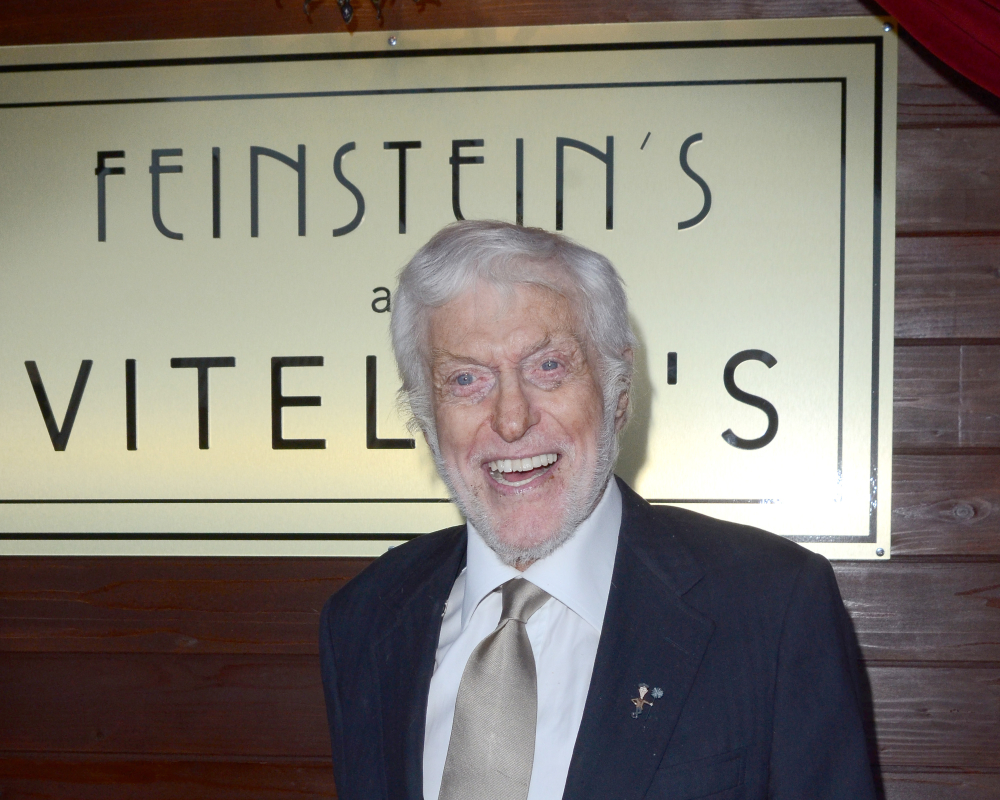
Reaching the age of ninety nine is a milestone few people experience, and reaching it with humor, clarity, and physical energy is even rarer. When legendary actor Dick Van Dyke spoke publicly about the reason he believes he has lived such a long and fulfilling life, his answer was surprisingly simple. He credited two decisions made earlier in adulthood that shaped the decades that followed. According to Van Dyke, giving up alcohol and cigarettes changed the direction of his health in lasting ways.
While celebrity longevity stories often focus on expensive treatments or exclusive wellness routines, this one stands out because of its simplicity. Van Dyke did not point to miracle supplements or secret diets. Instead, he highlighted the removal of habits that quietly strain the body year after year. His story offers an opportunity to look at aging through a wellness lens that is grounded in prevention, balance, and self awareness.
From a health perspective, his experience aligns closely with decades of scientific research. Smoking and alcohol use are among the most studied lifestyle factors linked to chronic disease and early mortality. Removing them does not guarantee extreme longevity, but it dramatically improves the odds of aging with fewer complications and more independence.
This article explores Dick Van Dyke’s story with a focus on wellness and everyday health choices. It examines why cutting out smoking and alcohol matters so much, how these habits affect the body over time, and what lessons can be applied by anyone who wants to support long term health naturally.

The Two Habits Dick Van Dyke Walked Away From
Dick Van Dyke has spoken openly about his earlier years, sharing that smoking and drinking were once part of his daily life. Like many people of his generation, cigarettes and alcohol were socially accepted and even encouraged in professional and creative circles. Over time, however, he began to recognize how these habits affected his body and energy.
Quitting smoking is widely regarded as one of the most impactful health decisions a person can make. Cigarettes expose the body to toxic chemicals that damage blood vessels, lungs, and organs. Even when the effects are not immediately obvious, the damage accumulates silently. Van Dyke has acknowledged that stepping away from cigarettes helped protect his lungs and heart over the long term.
Alcohol was the second habit he chose to leave behind. While alcohol is often framed as harmless in moderation, regular consumption can place ongoing stress on the liver, nervous system, and metabolic health. Over decades, this stress can increase the risk of cognitive decline, sleep disruption, and inflammatory conditions. Removing alcohol allowed Van Dyke’s body to function without that added burden.
What makes his story relatable is that these were not overnight changes fueled by fear. They were conscious choices rooted in wanting to feel better and stay active. That mindset reflects a broader truth in wellness. Long term health is often shaped by what we consistently remove just as much as what we add.
How Smoking Accelerates Aging From the Inside Out
Smoking affects nearly every system in the body, and its influence on aging is both visible and invisible. On the surface, smoking contributes to premature skin aging by reducing oxygen and nutrient delivery. Wrinkles, dullness, and loss of elasticity often appear earlier in smokers compared to non smokers.
Internally, the effects are even more serious. Smoking increases oxidative stress, a process that damages cells and DNA. Over time, this damage weakens the body’s ability to repair itself. Organs age faster, immune defenses weaken, and inflammation becomes more common. These processes raise the risk of heart disease, stroke, lung disease, and many cancers.

Another major concern is circulation. Smoking constricts blood vessels and reduces blood flow, which affects everything from brain health to mobility. Poor circulation can contribute to cognitive decline and reduced physical endurance later in life. By quitting smoking, blood vessels gradually regain flexibility, and oxygen delivery improves.
Van Dyke’s decision to quit smoking likely played a major role in preserving his physical stamina and mental clarity. The body has a remarkable ability to recover once exposure to toxins stops. Even years after quitting, former smokers experience meaningful reductions in disease risk compared to those who continue.
Alcohol and Its Quiet Impact on Long Term Health
Alcohol is often associated with relaxation and social connection, but its long term health effects are frequently underestimated. Regular alcohol intake interferes with sleep quality, disrupts hormone regulation, and places stress on the liver, which is responsible for detoxifying the body.
Over time, alcohol can contribute to chronic inflammation. Inflammation is a key driver of many age related conditions, including arthritis, cardiovascular disease, and neurodegenerative disorders. Persistent inflammation accelerates wear on tissues and organs, making recovery slower and illness more likely.
Alcohol also affects the brain. Long term use can impair memory, attention, and emotional regulation. While these effects may be subtle at first, they can compound over decades. Choosing sobriety removes this neurological stress and supports healthier cognitive aging.
By eliminating alcohol, Van Dyke allowed his body to maintain more stable sleep patterns, better nutrient absorption, and reduced inflammatory load. These benefits support overall vitality and help explain how he has remained engaged and active well into his late nineties.
The Role of Movement and Joy in Healthy Aging
In addition to removing harmful habits, Dick Van Dyke is known for staying physically active. He has shared that he continues to exercise regularly, dance, and keep his body moving. Movement supports muscle strength, balance, cardiovascular health, and mood, all of which are essential for maintaining independence with age.
Physical activity also supports brain health. Exercise improves blood flow to the brain and encourages the release of compounds that support neural connections. This helps preserve memory, focus, and emotional wellbeing. Regular movement is strongly associated with lower risk of cognitive decline.

Beyond physical activity, Van Dyke’s outlook on life reflects another key factor in longevity: joy. He often speaks about laughter, curiosity, and staying socially connected. Emotional wellbeing plays a powerful role in physical health, influencing immune function and stress hormones.
Aging well is not only about avoiding disease. It is about maintaining enthusiasm for life. Purpose, creativity, and connection create positive feedback loops that support both mental and physical resilience over time.
What This Story Teaches About Everyday Wellness Choices
Dick Van Dyke’s longevity is not presented as a formula, but it offers valuable insight into how everyday decisions shape long term outcomes. Removing smoking and alcohol reduced the strain on his body and allowed healthier systems to function more efficiently. These choices created space for vitality rather than depletion.
Wellness does not require perfection. It often begins with honest self reflection about habits that no longer serve health. For some people, this may mean reducing alcohol intake. For others, it may mean quitting smoking, prioritizing sleep, or managing stress more intentionally.
The body responds positively to supportive changes at nearly any age. Research consistently shows improvements in cardiovascular health, lung function, and metabolic markers after quitting smoking or reducing alcohol use. These improvements translate into better quality of life.
Van Dyke’s story reinforces a simple truth. Longevity is rarely about a single secret. It is about creating conditions that allow the body to age with less interference and more support.
Aging Well Is Often About Subtraction
In wellness culture, there is a strong focus on adding new routines, supplements, and strategies. While some additions can be helpful, Dick Van Dyke’s experience highlights the power of subtraction. Removing known stressors can be more impactful than adding complex interventions.
Smoking and alcohol are widely recognized as preventable risk factors. Letting them go reduces cumulative damage and allows natural repair processes to function more effectively. Over decades, this difference becomes profound.

Healthy aging is supported by simple pillars: clean air for the lungs, restful sleep for the brain, nourishing food for cells, and movement for circulation. When harmful habits are removed, these pillars are easier to maintain.
Van Dyke’s life offers encouragement rather than pressure. It shows that meaningful health changes are possible and that consistency matters more than intensity. Wellness is not about chasing youth but about protecting function and joy across the years.
A Gentle Reminder From a Century of Living
Dick Van Dyke’s words resonate because they are honest and grounded. He did not promise immortality or perfect health. He simply shared what helped him stay present, active, and grateful for nearly a hundred years.
For readers seeking inspiration, his story offers a realistic starting point. Consider what habits quietly drain energy or strain health. Consider what could be released rather than added. These reflections can open the door to lasting wellbeing.
Aging is inevitable, but suffering is not. Supporting the body through thoughtful choices creates more room for laughter, movement, and connection. That may be the most meaningful takeaway from Van Dyke’s journey.
His life reminds us that health is not built in a moment. It is shaped slowly, choice by choice, over time.
