
Dandelion root has long been revered in traditional medicine for its digestive and anti-inflammatory properties. For centuries, healers in cultures ranging from Chinese medicine to Native American traditions have used it to support liver health, cleanse the blood, and address ailments like indigestion and joint pain. But modern science is now taking a closer look and the results are surprising, even to seasoned researchers.
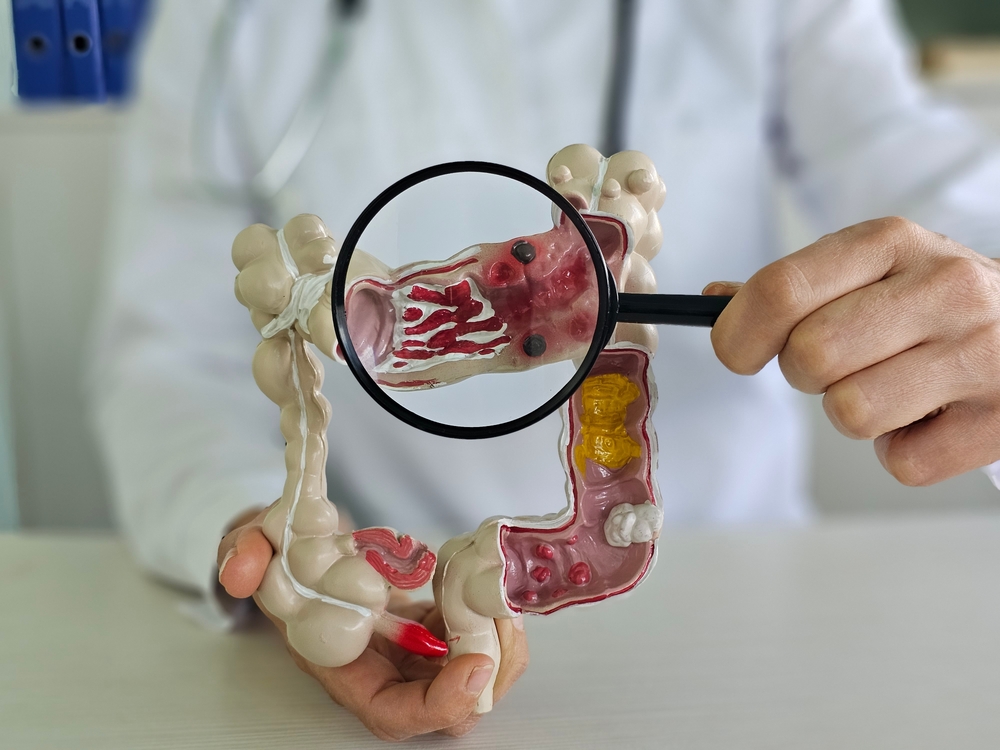
In a groundbreaking lab study led by Canadian researchers at the University of Windsor and the University of Ottawa, dandelion root extract (DRE) demonstrated the ability to kill over 95% of colon cancer cells within just 48 hours. These findings, published in the respected journal Oncotarget, have sparked renewed interest in the role of natural compounds in treating chronic diseases like cancer.
What’s especially remarkable is that DRE appeared to leave healthy cells untouched. That kind of selectivity is rare and deeply valuable in cancer research, where most conventional treatments like chemotherapy and radiation can’t differentiate between healthy and cancerous tissue. This often leads to severe side effects such as nausea, fatigue, and compromised immune function. The fact that a commonly dismissed backyard weed could achieve such precision in a lab setting raises both curiosity and cautious optimism in the scientific community.
However, it’s important to set realistic expectations. These promising results were observed in controlled, in vitro environments essentially petri dishes in a lab not in living, breathing human bodies. Before any treatment can be approved for human use, it must undergo a lengthy process of clinical trials that assess safety, efficacy, dosage, and long-term effects.
Still, studies like this one remind us that nature has untapped potential, and sometimes the simplest plants may hold the most surprising secrets.
How Dandelion Root Targets Cancer Cells
The reason dandelion root extract is generating such buzz isn’t just because it kills cancer cells it’s because of how it does it. Unlike many synthetic chemotherapy drugs that attack all rapidly dividing cells, DRE appears to activate a highly targeted biological process known as apoptosis. Apoptosis is the body’s natural method for eliminating cells that are damaged, dysfunctional, or no longer needed. In many types of cancer, this self-destruct mechanism is disabled, allowing rogue cells to survive, multiply, and form tumors.
In the Canadian study, researchers observed that DRE reactivated the apoptotic pathways in colon cancer cells. One of the key events in this process is mitochondrial disruption. Mitochondria, often referred to as the “powerhouses” of the cell, generate the energy needed for cellular functions. When DRE disrupted mitochondrial function, it led to the release of cytochrome c, a protein that signals the cell to undergo apoptosis.

Additionally, researchers noted an increase in reactive oxygen species (ROS) within the cancer cells after exposure to DRE. While high levels of ROS can damage all types of cells, a controlled increase in cancer cells can overwhelm their defense mechanisms and lead to cell death. Remarkably, this increase in ROS was not observed in healthy cells, suggesting that the extract’s effects are specifically tailored to exploit vulnerabilities in cancerous cells.
Several naturally occurring compounds in dandelion root are believed to contribute to these effects. Taraxasterol, for example, has shown anti-inflammatory and anti-cancer activity in previous studies. Others, like α-amyrin, β-amyrin, and lupeol, are triterpenoids known for their antioxidant and anti-proliferative properties. While each of these compounds has potential on its own, the full extract appeared to be more effective than any isolated component, pointing to a synergistic effect.
The study also found that DRE was effective against multiple colon cancer cell lines, including HT-29 and HCT116. This is significant because these cell lines differ genetically HT-29 cells lack a functional p53 gene (a tumor suppressor often called the “guardian of the genome”), while HCT116 cells retain it. The extract’s ability to work across genetically diverse cancer cells suggests a broad mechanism of action and hints at potential resilience against the common problem of drug resistance.
Real Progress and Limitations
After seeing such dramatic results in vitro, the researchers extended their work to in vivo models specifically mice implanted with human colon cancer cells. In these experiments, the mice were given oral doses of dandelion root extract over a period of 75 days. The results were just as encouraging: tumor growth slowed by over 90% compared to untreated mice.
Even more impressive was the extract’s safety profile. The treated mice showed no significant loss of body weight a common sign of toxicity in animal studies. Post-treatment examinations of key organs, including the liver, kidneys, and heart, revealed no structural damage or inflammation. This is particularly important because many promising anti-cancer agents never make it to clinical trials due to unacceptable toxicity levels in preclinical testing.
While these results are undeniably encouraging, they must be viewed with a degree of scientific skepticism. Mouse models, although essential in biomedical research, do not perfectly replicate the complexity of human physiology. Metabolic rates, immune responses, and genetic variations between species can all influence how a substance behaves in the body. Therefore, positive findings in animals do not always translate into safe or effective treatments for humans.
Still, these studies serve an essential function. They help narrow the field of potential therapies and justify the investment in more expensive and time-consuming human trials. As of now, dandelion root has not yet progressed to Phase I clinical trials, the first step in assessing safety in human subjects.
What Other Research Reveals Across Cancer Types

The colon cancer study is just one part of a growing body of research on dandelion root’s anti-cancer potential. In vitro studies have shown that DRE can trigger apoptosis in a variety of other cancer cell lines, including those from leukemia, melanoma, pancreatic, breast, and prostate cancers.
For example, in one study on leukemia cells, DRE induced cell death in over 95% of cancer cells within 24 hours, again without harming normal blood cells. Similar effects were seen in melanoma studies, where the extract interfered with cell migration and invasiveness key components of metastasis. In breast cancer cells, DRE not only promoted apoptosis but also appeared to reduce the expression of certain enzymes involved in tumor progression.
Beyond its direct effects on cancer cells, dandelion root also demonstrates anti-inflammatory and antioxidant properties that could indirectly support cancer prevention and treatment. Chronic inflammation is a well-known risk factor for several types of cancer, and substances that reduce inflammation may help create an environment less conducive to cancer development.
In cell models stimulated with lipopolysaccharide (LPS) a compound that induces inflammation DRE was shown to suppress the TLR4/NF-κB signaling pathway. This pathway plays a central role in the body’s immune response and is often overactive in cancerous tissues. Additionally, DRE reduced the expression of ACE2 and TMPRSS2, two receptors involved in the cellular entry of SARS-CoV-2, further demonstrating its regulatory effects on key cellular mechanisms.
Despite these exciting findings, leading medical institutions like Memorial Sloan Kettering Cancer Center caution that there is currently no conclusive clinical evidence to support the use of dandelion root extract as a treatment for cancer. Anecdotal reports and viral social media posts that claim DRE “cures cancer in 48 hours” are not only misleading but also potentially dangerous. Still, the scientific data suggests that this humble plant deserves serious attention from the medical research community.
What You Can Do Now

If you’re intrigued by what you’ve read so far, you might be wondering whether it’s time to add dandelion root to your daily regimen. While we’re far from a definitive answer, here are some practical steps you can take:
- Start with Tea: Dandelion root tea is widely available and generally considered safe for most people. One cup per day is a gentle way to introduce the herb into your system.
- Choose Quality Supplements: If you prefer capsules or tinctures, opt for products that use standardized extracts. This ensures consistency in dosage and potency.
- Read the Labels: Look for products free of fillers, artificial colors, and allergens. Certifications from third-party testing organizations can add an extra layer of assurance.
- Consult Your Physician: Especially if you’re on medication or undergoing cancer treatment. Dandelion root may interact with diuretics, blood pressure meds, or blood thinners.
- Monitor Your Body: Pay attention to how your body responds. Some people report digestive discomfort or allergic reactions. Discontinue use if adverse effects occur.
- Avoid Replacing Prescribed Treatments: Natural supplements should complement, not replace, evidence-based medical therapies unless specifically recommended by your healthcare provider.
- Eat Whole Foods: Don’t rely on one supplement. A varied diet rich in antioxidants, fiber, and healthy fats will do far more for your overall health.
- Support Research: If you’re passionate about natural remedies, consider supporting organizations that fund rigorous scientific research into plant-based medicine.
Dandelion Root in Combination with Other Natural Compounds

As interest in natural cancer treatments continues to grow, researchers are also exploring how dandelion root extract might work alongside other botanical or nutritional compounds. The idea is rooted in synergy the phenomenon where combined substances enhance each other’s effects, often producing results greater than the sum of their parts.
For example, curcumin, the active compound in turmeric, is another natural substance studied for its anti-inflammatory and anti-cancer properties. Like DRE, it has shown the ability to inhibit tumor growth and induce apoptosis in various cancer cell lines. Preliminary studies are beginning to examine whether these two compounds, when used together, might amplify each other’s effects.
Green tea extract, rich in epigallocatechin gallate (EGCG), is another candidate. Known for its antioxidant and anti-cancer properties, EGCG may help stabilize the bioactive compounds in dandelion root, enhancing its longevity and effectiveness in the body. Likewise, resveratrol a polyphenol found in grapes and red wine has shown promise in reducing inflammation and inhibiting cancer cell proliferation. Some researchers speculate that a combination of these compounds could one day form a potent, plant-based therapeutic cocktail.
The potential for combination therapy is not limited to other herbs or nutrients. Some studies are even considering how DRE might work as a complementary therapy alongside lower doses of conventional chemotherapy, potentially reducing side effects while maintaining effectiveness. While these ideas are in the early stages of exploration, they represent a forward-thinking approach to integrative cancer care one that respects both ancient wisdom and modern science.
Still, it’s important to emphasize that combining supplements without professional guidance can be risky. Interactions between natural compounds and pharmaceutical drugs can be unpredictable. If you’re considering adding dandelion root to your regimen, particularly with other supplements, always consult a healthcare provider who understands both conventional and integrative medicine.
Why Natural Products Deserve Serious Study
Nature has been a prolific source of pharmacological inspiration. Aspirin was originally derived from willow bark. Taxol, a potent chemotherapy drug, was isolated from the Pacific yew tree. Vincristine, used to treat certain leukemias, comes from the Madagascar periwinkle. These examples show that natural compounds, once dismissed as folklore, can become powerful medical tools when studied rigorously.
Dandelion root might not be in the same league yet. But the preliminary evidence suggests it has real potential. Its combination of anti-inflammatory, antioxidant, and selective anti-cancer effects makes it a promising candidate for further study. The challenge now is to secure funding, conduct large-scale clinical trials, and develop a deeper understanding of its mechanisms.
We also need to temper our excitement with caution. The wellness industry is full of exaggerated claims and miracle cures. But science doesn’t work that way. It takes time, peer review, and replication before a compound can be declared safe and effective.
So, should you start drinking dandelion tea every day in hopes of preventing cancer? Not necessarily. But if this research tells us anything, it’s that some of the most powerful tools for health may be growing right under our feet.
Sources:
- Ovadje, P., Ammar, S., Guerrero, J., Arnason, J. T., & Pandey, S. (2016). Dandelion root extract affects colorectal cancer proliferation and survival through the activation of multiple death signalling pathways. Oncotarget, 7(45), 73080–73100. https://doi.org/10.18632/oncotarget.11485
- Zhu, H., Zhao, H., Zhang, L., Xu, J., Zhu, C., Zhao, H., & Lv, G. (2017). Dandelion root extract suppressed gastric cancer cells proliferation and migration through targeting lncRNA-CCAT1. Biomedicine & Pharmacotherapy, 93, 1010–1017. https://doi.org/10.1016/j.biopha.2017.07.007
