
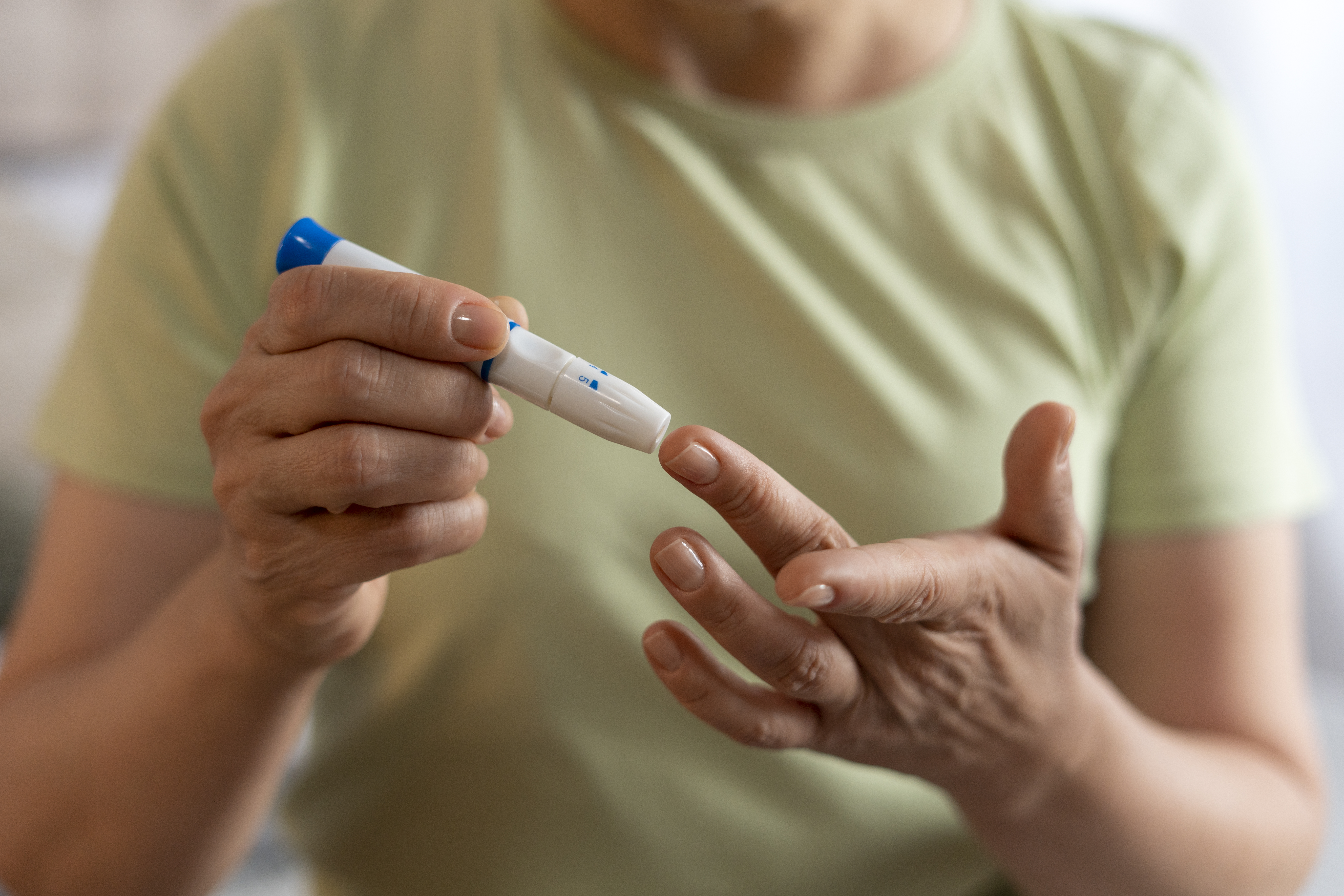
What if managing type 1 diabetes didn’t mean a lifetime of finger pricks, insulin injections, or pump calibrations? What if the body could relearn how to make insulin not in theory, but in practice?
That question just moved closer to reality in a hospital in China, where a 25-year-old woman with type 1 diabetes became the first person to live insulin-free after receiving a transplant of lab-grown islet cells made from her own body fat. Within 75 days, she no longer needed injections. One year later, she still doesn’t.
For the estimated 8.7 million people worldwide living with type 1 diabetes, this isn’t just a medical curiosity it’s a possible glimpse of the future. Scientists have tried for decades to replace the insulin-producing cells destroyed by the immune system. Until now, those efforts have been limited by organ shortages, immune rejection, and complex biology. But this new case changes the conversation.
So what exactly did researchers do differently and could this eventually mean a functional cure for others? Let’s break down what happened, how it works, and why experts say this could be one of the most important developments in diabetes research in years.
A Historic Breakthrough
In 2023, a team of researchers in China achieved something that had never been done before: they reversed type 1 diabetes in a human using lab-grown islet cells made from the patient’s own body. The patient, a 25-year-old woman who had lived with type 1 diabetes for years, stopped needing insulin injections less than three months after the procedure. Over a year later, she remains insulin-independent a milestone the lead researchers say marks a major turning point in diabetes treatment.
The team, led by cell biologist Dr. Hongkui Deng at Peking University, used a modified version of induced pluripotent stem cell (iPSC) technology. Instead of relying on donor cells or genetically reprogramming skin or blood cells common in previous research the team extracted fat cells from the woman and reprogrammed them using a chemical process. These cells were then developed into insulin-producing islets and transplanted into her abdominal muscles.
The location of the transplant itself was part of the innovation. Traditionally, islet cells are transplanted into the liver, where they are harder to monitor and retrieve if complications arise. By placing them in abdominal muscle tissue, the researchers were able to track the new cells using imaging tools and confirm they had successfully engrafted, even growing their own blood supply a key indicator of viability.
Before the transplant, the woman was producing insulin only intermittently, and her blood sugar levels were in a healthy range just 43% of the time. Within four months of the procedure, that number jumped to over 96%. She experienced none of the typical glucose spikes or crashes that define life with type 1 diabetes. Her hemoglobin A1c a measure of long-term glucose control dropped to non-diabetic levels, and she reported eating without restriction for the first time in years.

Dr. James Shapiro, a leading expert in islet transplantation at the University of Alberta who was not involved in the study, called the outcome “stunning.” Shapiro, who has spent years working to reverse diabetes in mice using human stem-cell islets, emphasized the significance of using a patient’s own cells: “No tissue rejection, no need for harsh anti-rejection drugs that’s the ideal scenario.”
But while the results are impressive, researchers are clear-eyed about what comes next. The woman was already taking immunosuppressive drugs due to a previous liver transplant, making it unclear whether the procedure would be as successful in someone without that condition. Still, this is the first documented human case of long-term insulin independence using autologous stem-cell-derived islets, and it opens new doors for regenerative medicine in autoimmune diseases.
As Dr. Daisuke Yabe, a diabetes researcher at Kyoto University, put it: “If this is applicable to other patients, it’s going to be wonderful.” The next steps confirming these results in other participants and scaling the method will determine whether this historic first becomes the foundation of a new standard of care.
What It Is and Why It’s So Hard to Treat

Type 1 diabetes isn’t caused by lifestyle choices, sugar intake, or poor diet. It’s an autoimmune condition where the body’s immune system mistakenly attacks and destroys the insulin-producing beta cells in the pancreas. Once those cells are gone, they don’t come back and without insulin, the body can’t regulate blood sugar, which affects nearly every organ system over time.
That makes managing type 1 diabetes a full-time job. People with the condition must manually replace the insulin their pancreas can no longer produce. This involves calculating doses based on food, exercise, stress, illness, sleep, and other daily variables. It also requires frequent monitoring using continuous glucose monitors (CGMs), fingerstick tests, or both. Even with the best tools available, most people with type 1 diabetes still experience dangerous highs (hyperglycemia) and lows (hypoglycemia).
Current treatments are focused on management, not restoration. Insulin therapy whether by injection or pump helps control blood sugar, but it doesn’t stop the disease or restore pancreatic function. And while devices have improved dramatically, they don’t eliminate the risks. Long-term complications from poorly controlled blood sugar can include nerve damage, kidney failure, vision loss, cardiovascular disease, and more.
Because the root of the disease is the immune system’s attack on beta cells, treating it requires more than just replacing those cells. Any transplanted or lab-grown insulin-producing cells even from a person’s own body could be targeted and destroyed all over again unless the immune response is addressed. That’s one reason why researchers have struggled to develop a lasting solution for type 1 diabetes.
Traditional islet cell transplants, sourced from organ donors, can help some patients, but they come with major limitations:
- Donor shortage: There aren’t nearly enough donor pancreases to meet demand.
- Immunosuppression: Recipients must take drugs to suppress their immune systems, which carry risks of infection, cancer, and organ toxicity.
- Limited longevity: Even successful transplants often lose function over time.
That’s why the recent Chinese case stands out. It didn’t rely on donor tissue. It didn’t require surgery on the pancreas. And the cells weren’t rejected at least, not so far. For the first time, someone with type 1 diabetes is producing their own insulin again using cells made from their own fat tissue.
How the Treatment Works

The science behind this breakthrough sounds almost like science fiction but it’s real, and it worked. At the core of the treatment is a technology known as induced pluripotent stem cells (iPSCs). These are adult cells that are reprogrammed to return to a stem cell-like state, meaning they can be guided to become virtually any type of cell in the body. In this case, researchers turned a patient’s fat cells into insulin-producing islet cells and that made all the difference.
Step 1: Collecting the Cells
The process began with a simple fat tissue sample taken from the patient, a relatively minor outpatient procedure. The researchers, led by Dr. Hongkui Deng at Peking University, then chemically reprogrammed those fat cells into pluripotent stem cells. This method avoids genetic manipulation and instead uses small molecules to nudge the cells back into a flexible, embryonic-like state. It’s a controlled, lab-based process designed to minimize risks and improve reliability.
Step 2: Creating New Islets
Once the fat cells were converted into iPSCs, the next step was to guide them into becoming pancreatic islet-like clusters specifically, the beta cells that produce insulin. This part is particularly challenging: the cells must not only produce insulin, but respond to changes in blood sugar the way natural beta cells would. The researchers cultured these cells in a three-dimensional format to mimic the structure of real islets and improve function.
Step 3: Transplanting the Cells
Instead of placing the new islet clusters into the liver the typical site for islet transplantation the team chose to implant them into the abdominal muscle. This was a key innovation. In the liver, the cells can’t be easily monitored or removed if something goes wrong. In the abdomen, the researchers could use MRI to track the cells’ location, growth, and survival over time. The transplant took less than 30 minutes.
Step 4: Engraftment and Insulin Production
Within weeks, the transplanted cells began to engraft, meaning they integrated into the surrounding tissue and developed their own blood supply, a crucial step for long-term survival and function. By day 75, the patient’s insulin needs had dropped to zero. Four months post-transplant, she was maintaining stable blood glucose levels nearly 96% of the time, up from just 43% before the procedure. Her long-term marker of blood sugar control (HbA1c) fell to within non-diabetic range.
Why This Matters

Most previous stem cell efforts used donor cells or embryonic stem cells, which come with major hurdles mainly, the need for immunosuppressive drugs to prevent rejection. But because these cells were made from the patient’s own body, there’s a potential to avoid rejection entirely. In this case, the woman was already on immunosuppressants due to a previous liver transplant, so we don’t yet know if the treatment will work drug-free but it’s a critical step in that direction.
The implications are significant: researchers have shown it’s possible to take a patient’s own cells, reprogram them, and return them to the body in a way that restores lost function. It’s not just a new treatment it’s a possible blueprint for curing autoimmune diseases using a person’s own tissues.
Still, this method is far from plug-and-play. It involves a complex, personalized manufacturing process, strict safety testing, and meticulous surgical execution. But now that the concept has been proven in a real human case not just mice or lab dishes it opens the door to wider trials and more refined approaches.

What Makes This Breakthrough Different From Other Stem Cell What Makes This Trial Different?
Stem cell research for diabetes isn’t new, but this approach succeeded where others have faced major hurdles. The Chinese team’s method was different in three key ways:
- It used the patient’s own cells. Most other trials use stem cells from donors. The problem with donor cells is that the patient’s body sees them as foreign and attacks them, meaning patients must take powerful drugs to suppress their immune system. By using the patient’s own reprogrammed fat cells, the risk of rejection is dramatically lowered, opening the door to a treatment that might not require anti-rejection drugs at all.
- It used a safer method to create the cells. Early methods for creating stem cells involved using viruses to change a cell’s DNA, which carried risks. This team used a chemical-only process to reprogram the cells. This approach is more controlled and avoids permanently altering the cell’s genetics, making it a potentially safer way to create new tissues.
- It achieved total success. While other trials have shown promising results, such as reducing a patient’s need for insulin, this is the first time a patient has become completely insulin-independent for over two years. The new cells didn’t just help—they fully took over the job of regulating the patient’s blood sugar, which is the ultimate goal of any diabetes cure.
Taken together, these differences explain why this case is being hailed as a true milestone, offering a more personalized, safer, and ultimately more effective blueprint for future diabetes therapies.
Why This Isn’t a Cure (Yet)

While this is a huge achievement, it’s not a cure that’s ready for everyone. It’s an incredible proof of concept, but there are still major hurdles scientists need to overcome before it can be widely used.
- It has only worked for one person. In medicine, a treatment must be proven to work safely and reliably for many different people before it can be approved. So far, this is just one successful case. Researchers need to show that the results can be repeated in a larger group of patients to prove it’s a truly robust therapy.
- The patient was already on anti-rejection drugs. The woman was taking powerful drugs to suppress her immune system because of a previous kidney transplant. These drugs almost certainly protected the new cells from being attacked by her body. The biggest question is whether the treatment would work without these drugs. If not, patients would have to trade insulin for other medications that carry their own serious risks.
- It’s difficult, expensive, and the long-term effects are unknown. Creating personalized cells is a complex and costly process that requires specialized labs. We also don’t know if these new cells will continue working for 5, 10, or 20 years. Before this can help millions, scientists must figure out how to make the process scalable, affordable, and durable for the long run.
Addressing these challenges is the next critical step in turning this scientific milestone into a real-world solution for everyone
Hope, With a Dose of Caution
For decades, the idea of reversing type 1 diabetes sat just beyond the reach of modern medicine. Scientists tried transplants, artificial pancreas systems, and advanced drugs but insulin remained the daily lifeline for millions. Now, that might finally be starting to change.
The successful case in China is more than a headline. It’s proof that we can grow functional insulin-producing cells from a person’s own body, implant them safely, and restore natural glucose control at least in one individual. It’s not theoretical anymore. It’s happened.
But real progress doesn’t come from single victories alone. To go from breakthrough to widespread treatment, this therapy needs to work reliably, at scale, and long-term without the need for immunosuppressants or complex lab procedures. Those are major hurdles. But they’re not impossible.
For now, insulin remains essential. Managing type 1 diabetes still requires vigilance, technology, and individualized care. But for the first time, there’s hard evidence that the body’s ability to make insulin can be revived not through donation, not through replacement, but through regeneration.
That changes the conversation. It raises the bar for what diabetes treatment could become. And it gives researchers, patients, and families something far more concrete than hope: a direction.
Source:
- Wang, S., Du, Y., Zhang, B., Meng, G., Liu, Z., Liew, S. Y., Liang, R., Zhang, Z., Cai, X., Wu, S., Gao, W., Zhuang, D., Zou, J., Huang, H., Wang, M., Wang, X., Wang, X., Liang, T., Liu, T., . . . Shen, Z. (2024). Transplantation of chemically induced pluripotent stem-cell-derived islets under abdominal anterior rectus sheath in a type 1 diabetes patient. Cell, 187(22), 6152-6164.e18. https://doi.org/10.1016/j.cell.2024.09.004
