
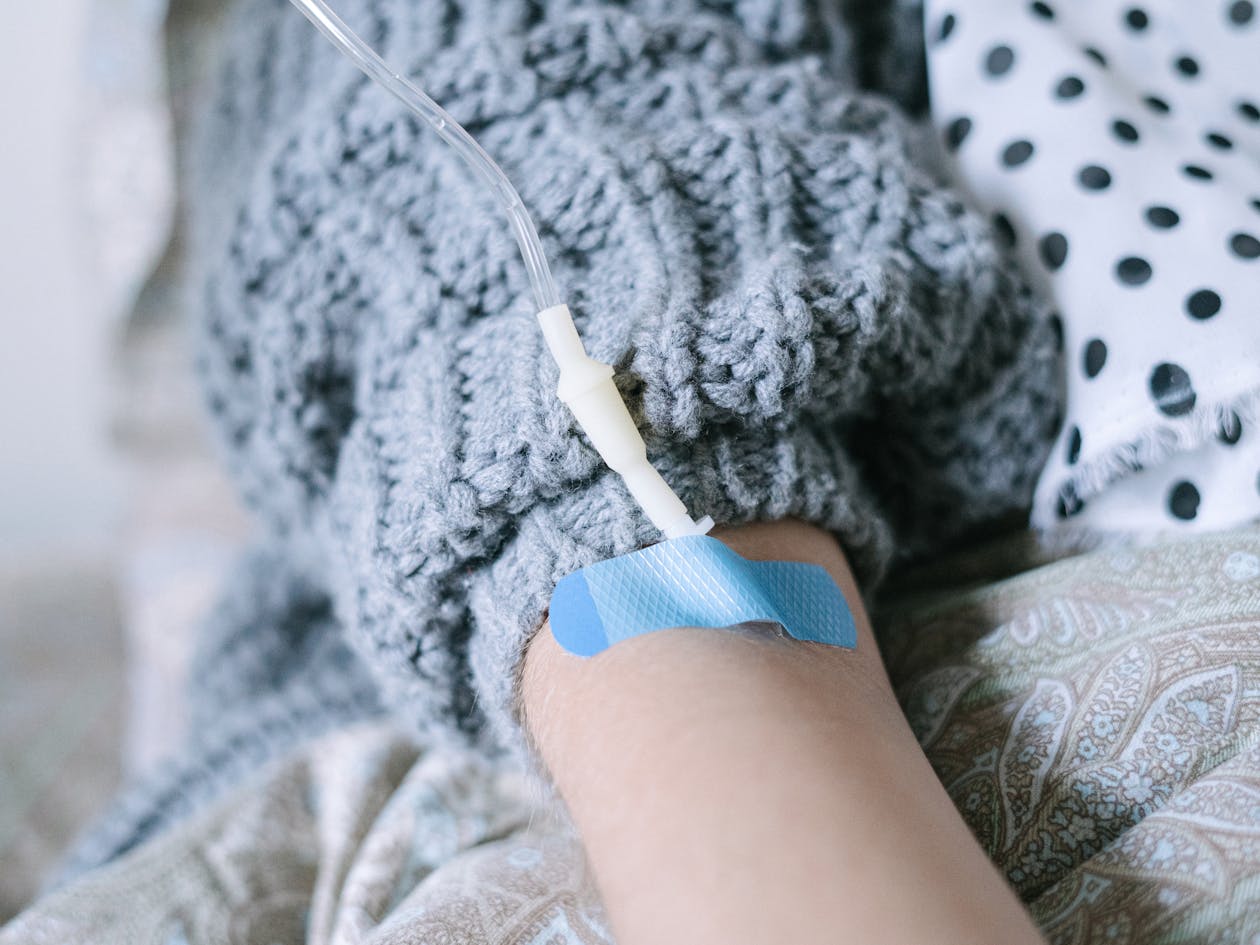
Cancer patients have long accepted a painful trade-off when receiving chemotherapy, and for decades, doctors have struggled to explain why so many people develop debilitating nerve problems during treatment. Up to half of all patients receiving chemotherapy experience a condition called chemotherapy-induced peripheral neuropathy, or CIPN, which causes tingling, numbness, and burning pain in their hands and feet. Many patients find these symptoms so severe that they must reduce their chemotherapy doses or abandon treatment entirely, leaving them caught between fighting cancer and enduring chronic pain.
Paclitaxel, one of the most common chemotherapy drugs prescribed for breast, ovarian, and lung cancers, frequently triggers CIPN in patients who receive it. Medical researchers have spent years trying to understand why certain drugs cause such profound nerve damage, and most theories have focused on direct harm to sensory neurons during treatment. Scientists believed that chemotherapy drugs disrupted cellular structures within nerve cells themselves, causing the characteristic pain and numbness that so many patients experience.
But what if researchers had been looking in the wrong place all along?
A team of scientists from Weill Cornell Medicine and Wake Forest University School of Medicine recently asked a simple question that led to an unexpected answer. Instead of focusing on neurons, they turned their attention to immune cells circulating in the bloodstream, and what they found could change how doctors approach one of chemotherapy’s most feared side effects.
Immune Cells May Be Driving Nerve Damage, Not Neurons

Research published in October 2025 in Science Translational Medicine reveals that immune cells, rather than neurons, may be the primary drivers of chemotherapy-induced nerve damage. Dr. Juan Cubillos-Ruiz, a professor of infection and immunology at Weill Cornell Medicine, led the study with Dr. E. Alfonso Romero-Sandoval, a professor of anesthesiology at Wake Forest University School of Medicine.
“We uncovered a molecular mechanism that maps specifically to immune cells, not neurons,” said Dr. Cubillos-Ruiz. “This provides strong evidence that chemotherapy-induced neuropathy is not just a nerve issue but an immune-mediated inflammatory process driven by cellular stress responses.”
Earlier work from Dr. Cubillos-Ruiz and his colleagues had identified a molecular alarm system called IRE1α-XBP1 that activates in immune cells when they experience stress. Previous studies showed that when switched on, IRE1α-XBP1 signaling in immune cells promotes pain after surgery and inflammatory injury in mice. Building on these findings, the research team wondered whether chemotherapy might trigger the same stress pathway in circulating immune cells.
Using a well-established mouse model that mirrors nerve damage experienced by cancer patients, the researchers began tracking what happens to immune cells when exposed to paclitaxel. What they discovered overturned assumptions that had guided CIPN research for years, revealing an inflammatory cascade that begins far from the nerves themselves.
How Paclitaxel Flips an Inflammatory Switch in Immune Cells
When paclitaxel enters the bloodstream, it prompts immune cells called macrophages to produce high levels of reactive oxygen species, or ROS. Reactive oxygen species are molecules that create cellular stress, and when macrophages produce too many of them, an endoplasmic reticulum stress sensor called IRE1α switches on in response. Endoplasmic reticulum stress occurs when cells struggle to fold proteins correctly, and IRE1α acts as a detector that senses when cellular machinery becomes overwhelmed.
Once activated, IRE1α pushes macrophages into an aggressive inflammatory state that the researchers describe as hyperactivation. Macrophages in this inflammatory state begin producing a cocktail of inflammatory mediators, including TNF-α, IL-1β, PGE2, IL-6, IL-5, GM-CSF, MCP-1, and MIP-2. Each of these molecules signals inflammation throughout the body, but their combined effect creates an inflammatory environment that spreads well beyond the bloodstream.
Researchers found that paclitaxel-induced overproduction of mitochondria-derived reactive oxygen species provoked endoplasmic reticulum stress and IRE1α hyperactivation in macrophages. Rather than remaining in circulation, these hyperactive immune cells then begin migrating toward specific targets within the nervous system, carrying their inflammatory payload with them.
When Inflamed Immune Cells Attack Sensory Nerves

Activated macrophages travel toward structures called dorsal root ganglia, which are sensory nerve clusters that connect limbs to the spinal cord. Dorsal root ganglia serve as relay stations for sensory information traveling from the arms, legs, hands, and feet toward the brain. When inflammatory immune cells arrive at these nerve clusters, they release their inflammatory compounds directly onto sensory neurons.
Inflammatory molecules released by hyperactive macrophages irritate and damage nerve cells within the dorsal root ganglia, and sustained exposure to these compounds causes nerve fiber loss over time. Patients experience cold sensitivity as damaged nerves misinterpret temperature signals, and pain develops as sensory neurons become irritated and inflamed. Numbness and tingling occur as nerve fibers deteriorate under the constant inflammatory assault.
What makes CIPN so troubling for patients and clinicians alike is that symptoms often persist long after chemotherapy ends. Even when paclitaxel leaves the bloodstream, the inflammatory damage to sensory nerves can continue, causing pain, numbness, and sensitivity for months or years. Understanding that immune cells drive CIPN opens new possibilities for preventing nerve damage before it becomes permanent.
Silencing IRE1α Protects Nerves in Mouse Models

Armed with evidence that IRE1α activation in immune cells drives CIPN, the research team tested whether blocking IRE1α could protect nerves from chemotherapy-induced damage. Using genetic tools to silence IRE1α in the immune cells of mice receiving paclitaxel, researchers found that mice with silenced IRE1α showed reduced inflammation and fewer CIPN-related pain behaviors compared to mice with normal IRE1α function.
Ablation of IRE1α in leukocytes prevented dorsal root ganglion neuroinflammation entirely in treated mice, and nerves in protected mice remained healthier than those in untreated control groups. Mice without functional IRE1α in their immune cells still received the same doses of paclitaxel, meaning the chemotherapy continued working against cancer cells while the inflammatory cascade leading to nerve damage was blocked.
Pain behaviors in mice can be measured through responses to temperature and pressure, and mice with silenced IRE1α showed normal responses to cold and mechanical stimulation. Control mice receiving paclitaxel without IRE1α silencing developed classic CIPN symptoms, including cold sensitivity and pain responses that mirror what human patients experience during chemotherapy treatment.
A Drug Already in Cancer Trials Might Prevent Nerve Damage

Genetic silencing of IRE1α proved that blocking the stress sensor protects nerves, but genetic manipulation cannot be easily translated to human patients. Fortunately, pharmaceutical companies have already developed drugs that selectively inhibit IRE1α for cancer treatment, and one such inhibitor is currently in Phase I clinical trials for patients with advanced solid tumors. Researchers tested whether giving mice both paclitaxel and an IRE1α inhibitor could prevent CIPN without genetic manipulation.
Mice receiving chemotherapy together with an IRE1α inhibitor displayed reduced pain behaviors compared to mice receiving chemotherapy alone, and their nerves stayed healthier throughout the treatment period. Because IRE1α inhibitors are already being evaluated in cancer patients where abnormal activation of IRE1α fuels tumor progression and therapy resistance, the same drugs might offer dual benefits by fighting cancer while simultaneously protecting nerves.
“Our findings suggest that targeting IRE1α pharmacologically could mitigate neuropathy induced by taxanes, helping patients continue with their chemotherapy without the negative side effects of nerve damage,” said Dr. Cubillos-Ruiz.
According to Dr. Cubillos-Ruiz, adding IRE1α inhibitors to chemotherapy regimens “could meaningfully improve both the effectiveness of cancer treatment and patients’ quality of life.” Patients who might otherwise reduce their chemotherapy doses due to CIPN could potentially continue full treatment if their nerves remain protected from inflammatory damage.
Blood Tests Could Soon Predict Who Will Develop CIPN

Knowing that IRE1α activation drives CIPN raised another question for the research team. Could measuring IRE1α activation in circulating immune cells predict which patients will develop severe nerve damage before symptoms appear? If doctors could identify high-risk patients early, they might be able to intervene with preventive treatments before nerves sustain permanent damage.
Researchers conducted a small pilot study with women receiving paclitaxel for gynecologic cancers, collecting blood samples before and during each chemotherapy cycle. Analyzing immune cells from these blood samples, the team measured activation levels of the IRE1α-XBP1 pathway throughout treatment.
Patients who later developed severe CIPN showed higher IRE1α-XBP1 activation in their circulating immune cells, and elevated activation appeared before symptoms began. Women whose immune cells showed low IRE1α-XBP1 activation went on to experience less severe neuropathy, suggesting that the pathway functions as an early warning signal for nerve damage.
A blood test measuring IRE1α-XBP1 activation could eventually help identify individuals at highest risk of neuropathy, allowing for preventive measures before nerve damage occurs. Patients identified as high-risk might receive IRE1α inhibitors alongside their chemotherapy from the beginning of treatment, potentially sparing them from chronic pain and numbness that can persist for years.
What Researchers Plan to Study Next

Several questions remain before these findings can change clinical practice for cancer patients receiving chemotherapy. Researchers want to identify which specific immune cell subsets drive CIPN development, since macrophages may not be the only immune cells involved in the inflammatory cascade.
Scientists also plan to evaluate whether paclitaxel activates endoplasmic reticulum stress sensors in neurons or vascular cells directly, since some nerve damage might still occur through mechanisms independent of immune cell activation. Understanding all the pathways involved in CIPN will help researchers develop treatments that address every aspect of chemotherapy-induced nerve damage.
Larger clinical studies are planned to validate IRE1α-XBP1 as both a biomarker for predicting CIPN risk and a target for preventive treatment. If upcoming trials confirm the pilot study findings, blood tests measuring IRE1α-XBP1 activation could become a standard part of chemotherapy treatment planning within several years.
For the millions of cancer patients who face chemotherapy each year, these findings offer hope that one of treatment’s most dreaded side effects might soon become preventable. Rather than accepting chronic pain and numbness as the price of fighting cancer, patients might one day receive protective medications that keep their nerves healthy throughout treatment. By shifting focus from neurons to immune cells, researchers have opened a new path toward solving a problem that has plagued cancer medicine for decades.
