
Infectious diseases have long been a global health concern, but recent outbreaks have underscored just how quickly and severely viruses can spread across the world. From the COVID-19 pandemic to seasonal influenza, we’ve seen firsthand the devastating effects that viruses can have—not only on public health but also on economies. Viruses like influenza and herpes simplex (HSV), though often viewed as less urgent than pandemics, contribute significantly to the global disease burden. Each year, seasonal flu epidemics affect millions, and HSV-1 alone infects over two-thirds of the global population.
Despite the availability of vaccines for some viruses, challenges remain. Vaccination rates for influenza are lower than needed, and no vaccines exist for HSV. This leaves us searching for new and innovative ways to reduce viral transmission, particularly at the sites where these viruses are most easily spread—the mouth and the respiratory tract.
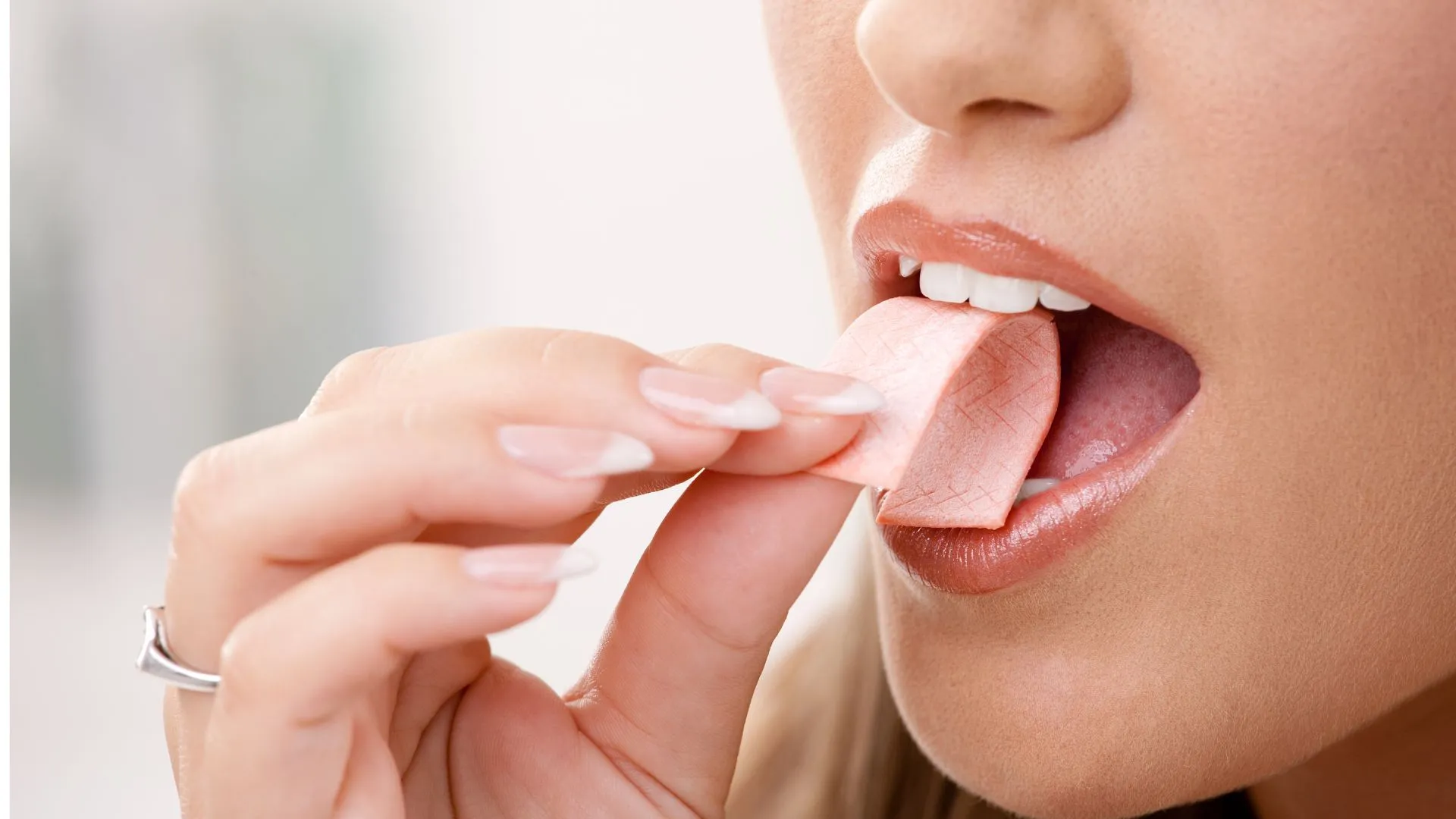
In recent years, a new breakthrough has emerged from researchers at the University of Pennsylvania that could provide a promising solution: a clinically tested antiviral chewing gum made from lablab beans. This simple yet innovative approach has shown great promise in neutralizing not only the flu but also herpes viruses, offering a new line of defense against common but persistent viral infections.
What’s in This Gum?

At the heart of this virus-fighting gum lies an unexpected hero: the lablab bean—a hardy legume native to parts of Africa and Asia, more commonly found in traditional dishes than in modern medicine. But inside this humble bean is a protein with serious antiviral potential: FRIL, short for Fructose-binding Lectin.
Now, before your eyes glaze over at the word “lectin,” here’s the simple version: FRIL acts like a microscopic bouncer at the club door, grabbing onto viruses and refusing to let them infect healthy cells. It does this by binding to sugars on the surface of viruses like flu and herpes, effectively trapping and disabling them before they can do any harm.
To deliver this virus-trapping magic, researchers ground lablab beans into a fine powder and packed it into a two-gram piece of gum. As you chew, the gum slowly releases FRIL into your mouth—right where many viruses make their grand entrance. The idea? Catch and kill them before they can make themselves at home in your body.
Even better, FRIL doesn’t break down quickly. It remains stable at room temperature for up to two years, and more than half of it is released within the first 15 minutes of chewing. That means it doesn’t just taste good—it sticks around long enough to get the job done.
Safe, natural, and surprisingly powerful, this plant-based blend is proof that sometimes, the simplest ingredients can deliver the biggest punches.
How It Works: Science Meets Saliva

Let’s face it—your mouth isn’t just where your food journey begins. It’s also prime real estate for viruses looking to hitch a ride into your body. From the flu to herpes, many of these viruses start their invasion in the oral cavity. So, what if we fought them on their home turf?
That’s exactly what this gum does. Think of it as setting up a microscopic virus trap right where the action begins—your mouth. When you chew the gum, it releases the virus-binding protein FRIL, which acts like Velcro for viruses. It latches onto the sugary outer shells of flu and herpes viruses, locking them in place and preventing them from infecting your cells.
What makes this different from, say, a throat spray or lozenge? Staying power. Unlike sprays that wash away or lozenges that dissolve quickly, this gum hangs around. FRIL is released slowly and steadily during chewing, giving it more time to do its job. That means even a casual gum-chewer could unknowingly be waging a quiet war against millions of viral invaders.
And because the mouth is a major highway for virus transmission—think talking, kissing, coughing, sharing drinks—cutting off the viral load here could seriously reduce the chances of spreading infections to others. It’s a preventative measure you don’t swallow—you just chew.
Lab Results: What the Studies Show

Chewing gum that can kill viruses might sound like something dreamed up in a sci-fi writer’s lab—but the numbers behind this breakthrough are no fantasy. In a series of tightly controlled lab tests, researchers put their virus-fighting gum to the test, and the results were nothing short of jaw-dropping.
Using samples of saliva laced with influenza A viruses (H1N1 and H3N2) and herpes simplex viruses (HSV-1 and HSV-2), scientists watched as the FRIL-infused gum went to work. With just 40 milligrams of lablab bean powder in a single 2-gram gum tablet, they recorded a 95% reduction in viral load—yes, ninety-five percent.
And this wasn’t just a fluke. The gum consistently neutralized viral particles across multiple tests and virus types, acting almost like a molecular mop, wiping out viruses at the source.
But the real kicker? It did all of this without refrigeration, without toxic additives, and without compromising safety. The gum met FDA standards for drug products, showed no microbial growth, and was free from harmful glucosides (a concern in some plant-based formulations). It stayed stable for up to two years at room temperature and released its virus-trapping protein reliably while being chewed—delivering over half its dose in the first 15 minutes.
Why This Matters: A New Tool in the Viral Arsenal

Let’s be honest—when it comes to viruses, our current defenses aren’t always airtight. Vaccines are powerful, no doubt, but they come with challenges: limited global access, uneven uptake, and for some viruses like herpes simplex, no approved vaccine at all. Add in ever-mutating strains of flu and vaccine fatigue, and it’s clear the world could use a few new tricks.
That’s where this antiviral gum steps in—not to replace vaccines or antiviral medications, but to reinforce them in a simple, accessible way. It targets a blind spot in our usual strategies: the mouth, a primary entry and exit point for many contagious viruses. By slashing the viral load in saliva before a virus even has a chance to dig in, the gum could help reduce both infection risk and transmission.
And it’s not just about individual health—it’s a potential public health game-changer. Picture schools, airports, concerts, or nursing homes where people pop this gum like breath mints during peak flu season. Even those who skip their shots or miss doses could have a layer of protection. It’s a tool that meets people where they are: on the go, often unvaccinated, and not particularly thrilled about needles.
More than that, this innovation opens the door to natural, food-based solutions that don’t feel like medicine. It’s a small shift with big implications—a virus-fighting method that feels more like a habit than a treatment. And that, in public health terms, is half the battle won.
From Lab to Life

While the lab results are impressive, science doesn’t stop at the petri dish. Before this virus-fighting gum can find its way into pockets, purses, and checkout counters around the world, it needs to clear a few more hurdles—starting with human clinical trials.
The researchers at the University of Pennsylvania have already prepared the gum to meet FDA drug product standards, meaning it’s been tested for safety, stability, and manufacturing quality. That’s a major leap forward. Now, the next crucial phase is to see how it performs in real people, outside the sterile confines of the laboratory.
Early indicators are promising: the gum’s plant-based ingredients, natural antiviral protein, and stable shelf life make it a strong candidate for broad use. If human trials show it effectively reduces viral loads without side effects, it could become a simple, scalable way to slow down viral transmission—not just for flu and herpes, but potentially for other pathogens like bird flu as well.
Interestingly, researchers aren’t just thinking about humans. They’re also exploring ways to use the same bean-based formula in poultry feed to help control avian influenza outbreaks—because viruses don’t respect farm fences or national borders.
A New Approach to Everyday Protection

At first glance, a virus-fighting gum might seem like a niche curiosity—just another quirky headline in the ever-evolving world of medical innovation. But zoom out, and it starts to look like something much more meaningful: a paradigm shift in how we approach public health.
For decades, our main strategies against viral infections have revolved around vaccines, medications, and behavior changes like handwashing and masking. These tools have saved countless lives, but they also come with barriers: supply chains, accessibility, compliance, and in some cases, mistrust. What this gum represents is an idea we’ve been circling for years—everyday immunity support built right into our routines.
By embedding virus prevention into something as low-effort and widely accepted as chewing gum, science takes a massive step toward normalizing protection. No scheduling appointments, no needles, no pills to remember—just a quiet, effective intervention that fits into anyone’s lifestyle. It has the potential to act as a bridge between clinical medicine and consumer behavior.
And the implications go further. If this gum succeeds, it could inspire a new generation of health products that are edible, portable, natural, and preventative. Think antiviral lozenges, beverages, or even snacks with similar properties. It’s not a stretch to imagine a world where fighting infections feels less like going to war and more like part of your morning routine.
It won’t replace traditional medicine—but it could redefine the front lines.
How to Strengthen Your Own Defense Naturally

While antiviral gum presents an exciting new development, your daily habits remain the most powerful defense against infections. Here’s how you can naturally support your immune system:
- Eat for Immunity
A well-balanced diet is essential for immune health. Focus on fruits and vegetables rich in vitamin C, zinc, and antioxidants—such as citrus fruits, bell peppers, leafy greens, and berries. These nutrients are known to help strengthen the immune system, improve your body’s ability to fight off invaders, and reduce the severity of infections. In particular, vitamin C helps stimulate the production of white blood cells, which are critical for immune defense. - Stay Hydrated
Hydration is fundamental to your body’s ability to function optimally, including its immune response. Water aids in the delivery of nutrients to cells and helps flush toxins from your system, both of which are crucial for maintaining a healthy immune system. Aim for at least 8 glasses of water daily, more if you’re exercising or under the weather. Staying hydrated also supports the mucous membranes in your mouth and throat, which act as barriers to viral and bacterial invaders. - Prioritize Quality Sleep
Sleep plays a critical role in immune function. During sleep, your body repairs itself and regulates immune processes. Consistently getting 7-9 hours of quality sleep each night helps maintain strong immune defenses and ensures your body has the resources it needs to respond to infections. Poor sleep, on the other hand, can lead to a weakened immune system, leaving you more vulnerable to illness. Make sleep a priority by maintaining a regular sleep schedule and creating a relaxing bedtime routine. - Move Your Body
Regular physical activity, such as walking, cycling, or yoga, can significantly boost your immune system. Exercise improves circulation, allowing immune cells to travel more efficiently throughout your body. Even moderate, consistent exercise has been shown to reduce the risk of infections and help your body recover faster when it’s sick. Aim for at least 30 minutes of moderate exercise most days of the week. - Manage Stress
Chronic stress can impair your immune system by increasing the production of cortisol, a hormone that suppresses immune function. It’s essential to find ways to manage stress in your daily life. Incorporating relaxation techniques such as deep breathing, mindfulness, or journaling can help reduce the impact of stress on your body. Managing stress isn’t about eliminating it completely but finding healthy outlets to help balance its effects on your health.
By adopting these simple but effective habits, you’ll be taking essential steps to strengthen your immune system and support your overall health. These actions, combined with innovations like antiviral gum, can help you stay healthier and more resilient against common viral infections.
Small Chews, Big Changes
The idea that something as ordinary as chewing gum could help fight off serious viruses feels almost too simple—but sometimes, the simplest solutions are the most brilliant. Backed by strong science, this lablab bean-based gum offers a glimpse into a future where health protection isn’t confined to hospitals and clinics but woven into everyday life.
Human trials will be the real test, but the potential is exciting. Whether it’s complementing vaccines, offering extra protection during outbreaks, or even helping to manage virus spread in places where traditional medicine is harder to access, this gum could be a quiet but powerful player in global health.
It’s a reminder that innovation doesn’t always roar in with grand gestures. Sometimes, it arrives in small, quiet ways—like the steady rhythm of a chew, neutralizing danger before it even has a chance to settle in.
So next time you reach for a piece of gum, don’t just think about fresh breath. You might just be looking at the future of viral prevention—wrapped in something refreshingly familiar.
Source:
- Debulking influenza and herpes simplex virus strains by a wide-spectrum anti-viral protein formulated in clinical grade chewing gum, Daniell, Henry et al.Molecular Therapy, Volume 33, Issue 1, 184 – 200
