
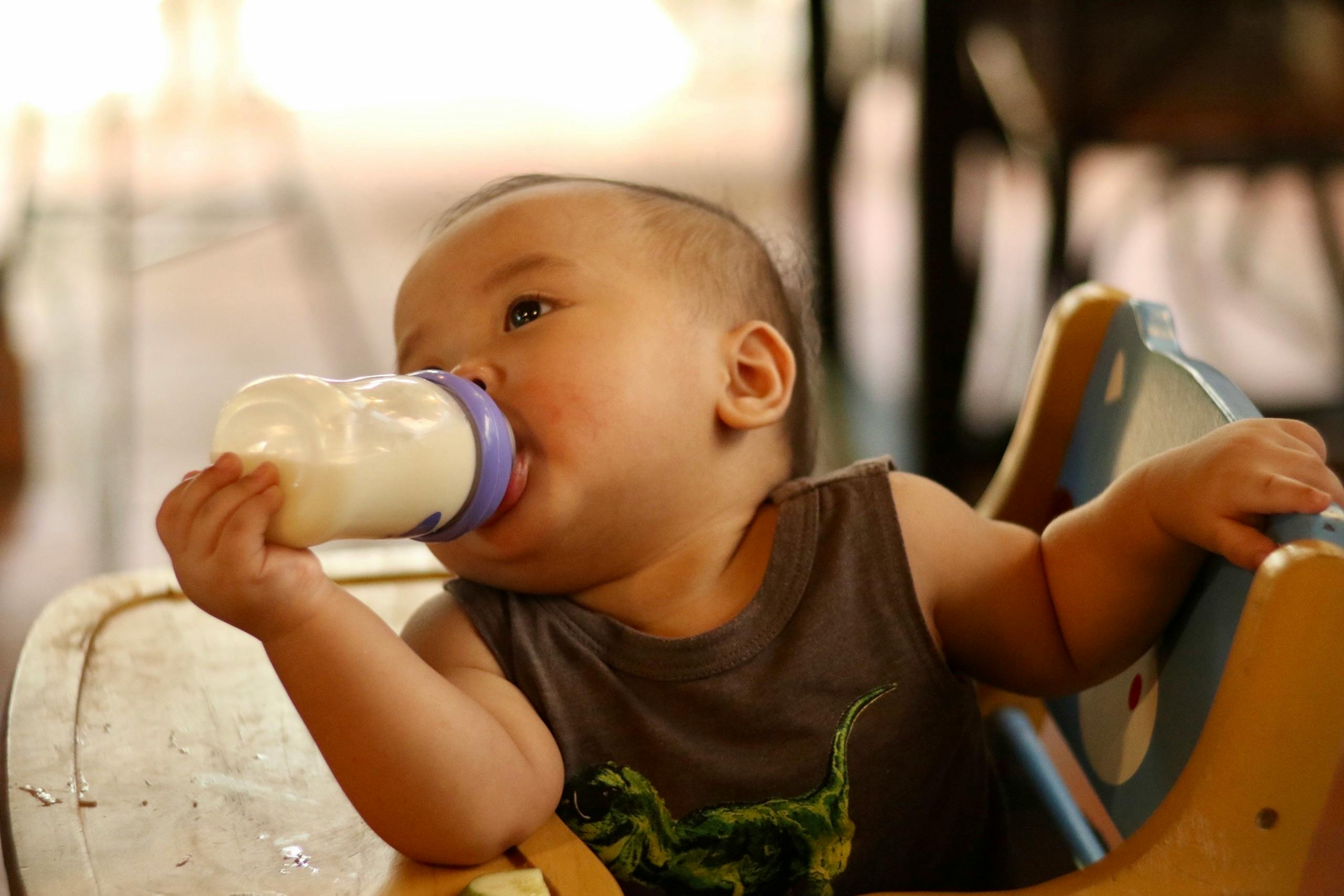
It takes only a few seconds for a quiet home to turn into a scene that will reshape a family’s life forever. For the Alshameri family in Highgate, Birmingham, one ordinary day in May became the moment everything changed. Their 13 month old son, Sam Anwar, wandered into the bathroom while his mother was cleaning and picked up a white bottle that looked familiar and harmless. He thought it was milk. Instead, it was caustic soda, a powerful drain unblocker capable of causing catastrophic internal damage.
What followed stunned even experienced medical professionals. Sam suffered extreme burns throughout his mouth and airway. He lost half his tongue. He went into cardiac arrest for nearly three minutes. Twenty seven doctors and nurses fought to keep him alive. He survived against what one GP described as one in a million odds, but the road ahead is long, uncertain and emotionally heavy.
This article brings together details from several reports on Sam’s story, weaving them into a fuller account of what happened, what the family is facing now and why this incident carries important lessons for parents everywhere. Beyond the shock and heartbreak, Sam’s story shines a light on safety gaps in the home, the reality of severe chemical injuries in children and the emotional weight carried by families navigating prolonged medical uncertainty.
A Catastrophic Accident In Seconds
According to multiple reports including Birmingham Live and statements from Sam’s parents, the incident unfolded in the most ordinary of ways. Sam’s mum, Mukhtara, was cleaning the bathroom. The taps were running. The floor space was cluttered with the usual cleaning materials used to unblock drains and sinks. In the living room, the couple’s four children were playing.
Sam quietly wandered behind his mum into the bathroom. Because of the sound of running water, she did not hear him come in. On the floor was a white bottle of caustic soda. It was the same shape and color as a bottle of milk. Sam picked it up and put it to his mouth.
The reaction was immediate. Caustic soda begins burning soft tissue on contact. By the time his parents realized what had happened, the liquid was already eating away at his lips, tongue, mouth and internal airway. His dad, Nadeen Alshameri, later explained that Sam could not even cry properly because the chemicals were already damaging the inside of his throat.
The family rushed him to Birmingham Women’s and Children’s Hospital. What happened next left even medical professionals shaken.
A Fight For Life Inside The Emergency Room

When Sam arrived at A&E, the caustic burns continued worsening by the minute. His airway was swelling. His tongue had already suffered devastating damage. He was struggling to breathe. Then his heart stopped.
For nearly three minutes, doctors and nurses worked to revive the toddler. Nadeen recalled how he watched staff perform lifesaving interventions, describing the moment as something he can never forget. According to several reports, Sam’s case was unlike anything the hospital’s team had treated before. Staff told the family they had never seen a chemical injury this severe in such a young child.
Against the odds, Sam’s heart started again. Medical staff stabilized him and transferred him to intensive care, where he would remain for two months.
The Medical Reality Of Caustic Soda Injuries

Caustic soda, also known as sodium hydroxide, is a highly corrosive substance commonly used in households as a drain cleaner. Even a small amount can cause deep chemical burns. When swallowed, it can dissolve soft tissue in the mouth, throat and airway within seconds.
In young children, the damage is even more extreme because their tissues are delicate and their airways smaller. The substance does not simply irritate surface layers. It destroys them.
This helps explain the severity of Sam’s injuries. Reports describe extensive internal burns, destruction of part of his airway and the loss of half his tongue. Medical teams could not safely assess the inside of his mouth because his lips and oral tissues were swelling and beginning to seal together.
Chemical burns of this nature require long term specialist treatment. Scarring continues to develop for months. Tissue can tighten, contract or fuse, creating new complications long after the initial injury.
In Sam’s case, doctors inserted a feeding tube through his nose to support him. As his condition changed, they later had to remove it and place a permanent feeding tube directly into his stomach. His mouth began closing further, forming a tiny gap too small for food or liquid to pass through.
A Miracle Survival but an Uncertain Path Ahead

After two months in intensive care, Sam eventually stabilized enough to return home. Now 18 months old, he continues to rely entirely on his stomach feeding tube. He cannot eat, drink or speak. His lips are close to sealing completely, and medical teams cannot fully see inside his mouth to assess the deeper damage.
According to his father, doctors remain unsure about the best path forward. Some say surgery to reopen his mouth and repair internal structures should happen soon. Others say it is too early and that operating now could worsen long term scarring. A few have admitted they simply do not know how to proceed because they have never treated a case like Sam’s before.
This uncertainty leaves the family in limbo. They have been told an operation is needed but have no timeline. It could be next week, next month or longer. For parents watching their baby struggle daily, the waiting is excruciating.
Living With the Aftermath at Home

Returning home should have brought comfort, but for the Alshameri family, daily life has become a constant cycle of vigilance and anxiety. Sam is unable to swallow, so anything he touches and tries to put in his mouth becomes a choking risk. His father has said he worries every day about the possibility of something blocking Sam’s airway.
Mealtimes are no longer moments of family connection. Sam sits apart with his feeding tube. He cannot taste food or experience textures. His siblings have had to adjust to new routines and understand that their baby brother requires quiet, patience and gentle interactions.
The emotional weight on the parents is heavy. Nadeen has described how he and his wife are “just surviving” financially. Both parents are exhausted from the constant care and ongoing uncertainty. They cannot plan for the future because they do not know when surgery will happen or what the outcome will be.
The Search for Solutions Beyond the UK

With UK doctors divided about the best treatment plan, the family has started exploring specialist options abroad. Hospitals in Germany and Turkey have been mentioned as potential avenues for complex reconstructive surgery. These international centers sometimes take on rare or exceptionally challenging medical cases, offering treatments unavailable elsewhere.
However, travel, surgery and recovery abroad are expensive. Nadeen has said that between rent, food and daily expenses, the family cannot save enough to pursue treatment outside the UK. This financial barrier leaves them feeling trapped, unable to move forward but unable to wait indefinitely for a clear medical plan.
To ease the burden, the family set up a GoFundMe page with a goal of 9000 pounds. This money would help cover travel, surgery and medication costs if they choose to take Sam to specialists outside the country. For a family living on a warehouse worker’s income and supporting four children, this assistance is essential.
The Psychological Impact on Families
Beyond the physical injuries, cases like Sam’s carry deep psychological consequences for families. Parents often experience guilt, even when they did everything reasonably possible to keep their home safe. Siblings may feel confused or frightened by the sudden change in the family dynamic.
Long term medical uncertainty adds another layer of emotional strain. Each contradictory medical opinion can leave parents feeling helpless. Waiting for surgeons to agree on a plan or for a slot to open on an urgent list can feel like an impossible emotional weight. Studies on families coping with severe pediatric injuries show consistent patterns.
- Parents experience chronic stress related to care demands.
- Financial pressure intensifies anxiety and impacts overall wellbeing.
- Siblings sometimes struggle with reduced parental attention.
- Families may feel isolated due to the rarity of the medical condition.
- Parents often fear leaving the child with anyone else because of medical fragility.
Sam’s family appears to be experiencing many of these pressures at once. Their willingness to speak publicly may help reduce stigma and remind other families that they are not alone in facing overwhelming medical situations.

The Medical Debate and Why Consensus is Difficult
One of the most challenging aspects of Sam’s situation is the lack of agreement among medical professionals about how to proceed. This confusion can feel alarming for families, but in rare and severe chemical injury cases, differing opinions are not uncommon. Several reasons contribute to the uncertainty.
- Sam’s case is rare and unusually severe. Doctors have said they have never seen anything similar in a child his age.
- The internal scarring is still developing and at different stages in different parts of his mouth and airway.
- Surgery too early could increase scar formation.
- Surgery too late could allow the mouth to close further.
- Assessing the interior of his mouth is extremely difficult because the opening is nearly sealed.
Surgeons must decide the safest time to intervene, balancing the need to act quickly with the risk of causing additional damage. This is why opinions vary and why parents receive mixed messages.
Lessons for Parents and Caregivers

Sam’s story, though heartbreaking, carries important lessons for households everywhere. It shows how a brief lapse in awareness, even in a loving and attentive home, can lead to unimaginable consequences when dangerous chemicals are involved. Practical safety takeaways can help reduce the risk of similar incidents.
- Keep all chemical cleaners locked away, even when in use.
- Never leave bottles on the floor while multitasking, even for a moment.
- Use childproof locks in bathrooms and kitchens.
- Store chemicals in high cupboards, not under sinks.
- Avoid transferring chemicals into unlabeled or unofficial containers.
- Choose products with child resistant caps whenever possible.
- Consider using less corrosive alternatives when feasible.
- Educate young children about danger symbols starting at an early age.
These steps do not eliminate risk entirely, but they make the home significantly safer.
A Community Response and the Power of Support

The family’s GoFundMe page has drawn sympathy from across the UK. Many people have been moved by Sam’s resilience and the family’s honesty about their challenges. Community support does more than raise money. It helps families feel less alone, especially when caring for a child with a rare and traumatic injury.
Crowdfunding has become an important modern tool for families navigating complex medical experiences. While it can never replace systemic solutions, it provides immediate relief and gives families room to breathe.
The Long Journey Ahead
Reconstruction for severe chemical burns in children is an ongoing process. It may involve multiple surgeries over several years. Scar tissue can change as a child grows. Some procedures may need to be revised later. Speech therapy, feeding therapy and psychological support will likely play a role in Sam’s future.
Despite the uncertainty, Sam’s survival remains extraordinary. Doctors have called him a miracle baby for good reason. His resilience gives his family hope, even as they grapple with fear and exhaustion.
Finding Strength After Crisis
Sam’s story is one of tragedy, survival and resilience. It shows how quickly a normal day can turn into a medical emergency that reshapes a family’s future. It speaks to the unpredictability of childhood curiosity and the dangers hidden in everyday household items. It highlights gaps in medical knowledge around rare pediatric injuries and the emotional strain families endure when answers are scarce.
Yet it also reveals the strength of parental love, the dedication of medical teams and the power of community support. As Sam continues his long recovery, his story stands as a reminder to all families to be vigilant with household chemicals and compassionate toward those facing unimaginable hardship.
The Alshameri family’s journey is far from over, but their hope remains steady. They want nothing more than for their baby boy to be able to eat, drink, speak and smile again. Their determination, Sam’s resilience and the support of people who hear his story may help guide them toward that brighter future.
