
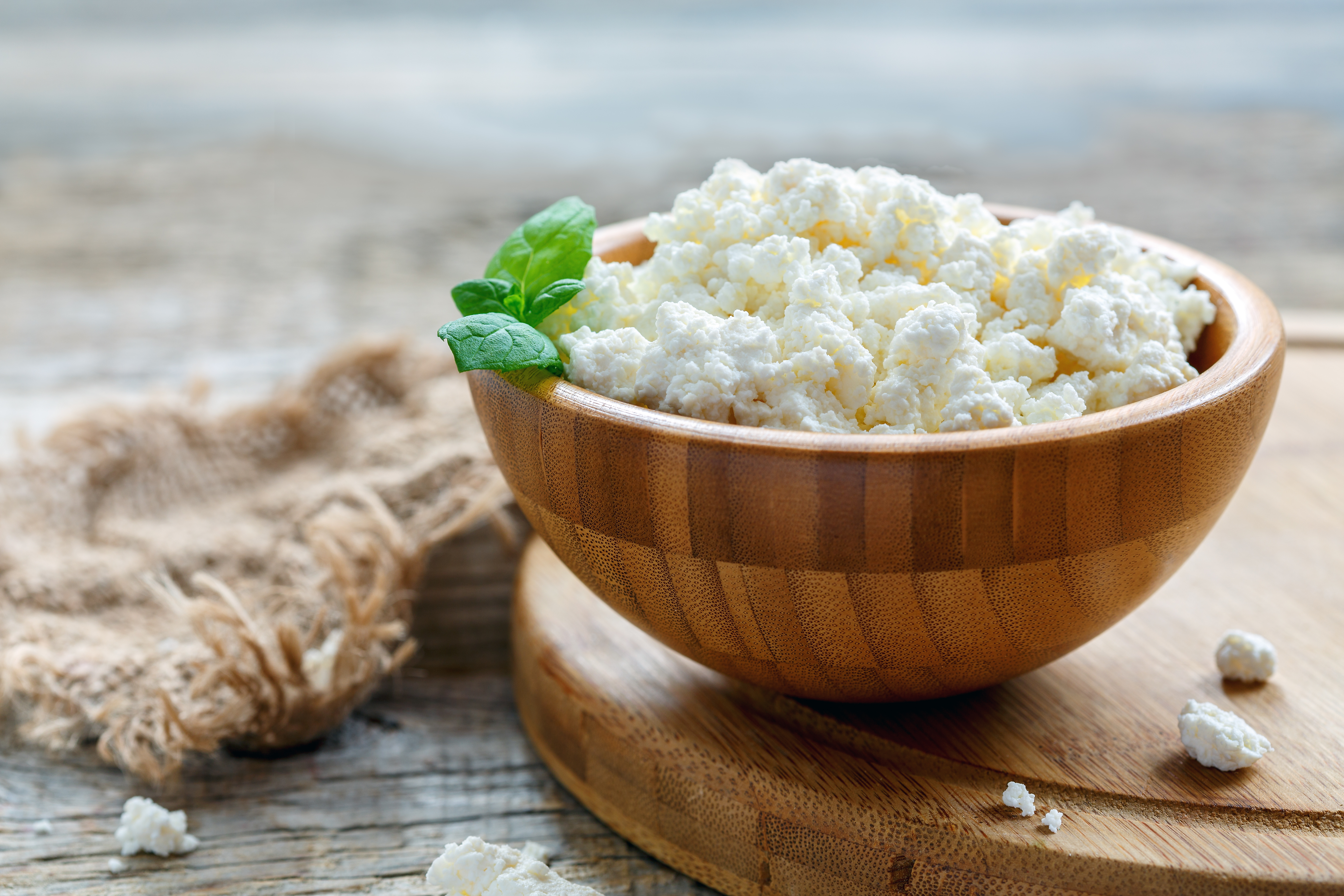
When it comes to healthy eating, some ingredients get all the spotlight—kale, quinoa, and avocado often steal the show. But there’s one underrated food quietly sitting in your grocery store, waiting to prove its worth: cottage cheese. Known for its mild taste and unique texture, this versatile dairy product is a nutrition powerhouse that’s far more than a side dish.
Why has cottage cheese become a go-to choice for fitness enthusiasts, health-conscious eaters, and even chefs? The answer lies in its remarkable benefits, which range from supporting weight goals to enhancing bone strength. But that’s just the beginning. Curious to find out how this humble food can transform your diet?
Nutritional Powerhouse: Understanding Cottage Cheese’s Composition
Cottage cheese stands out as a nutrient-dense food, offering a rich array of essential vitamins and minerals. Its impressive nutritional profile makes it a valuable addition to a balanced diet.
Macronutrient Breakdown
A one-cup serving of creamed cottage cheese provides:
- Calories: 206 kcal
- Fat: 9.03 grams
- Protein: 23.3 grams (46.6% of the recommended daily value)
- Carbohydrates: 7.1 grams
- Sugars: 5.61 grams
This high protein content, coupled with moderate fat and carbohydrate levels, contributes to its satiating effect, making it an excellent choice for those aiming to manage their weight or build muscle mass.
Micronutrient Content
In addition to macronutrients, cottage cheese is rich in several vital micronutrients:
- Calcium: 174 milligrams (13.4% DV)
- Iron: 0.147 milligrams (0.8% DV)
- Magnesium: 16.8 milligrams (4% DV)
- Potassium: 218 milligrams (4.6% DV)
- Sodium: 662 milligrams
- Zinc: 0.84 milligrams (7.6% DV)
These nutrients play crucial roles in bone health, muscle function, and overall metabolic processes.
Comparing Low-Fat Options
For those monitoring fat intake, low-fat cottage cheese is a viable alternative. A one-cup serving of low-fat (3% milk fat) cottage cheese contains:
- Calories: 189 kcal
- Fat: 5.06 grams
- Protein: 24.2 grams (48.4% DV)
- Carbohydrates: 9.48 grams
- Sugars: 9.02 grams
- Calcium: 227 milligrams (17.46% DV)
- Iron: 0.286 milligrams (1.59% DV)
- Magnesium: 19.6 milligrams (4.67% DV)
- Potassium: 264 milligrams (5.62% DV)
- Sodium: 706 milligrams
- Zinc: 1.34 milligrams (12.18% DV)
This variant offers slightly higher protein and calcium levels with reduced fat content, catering to diverse dietary preferences.

6 Science-Backed Health Benefits of Cottage Cheese You Need to Know
Cottage cheese is more than just a creamy addition to your plate—it’s a nutritional all-star packed with health benefits that cater to various needs. With its high protein content, essential vitamins, and vital minerals, this versatile food supports muscle recovery, weight management, bone strength, and more. Backed by research and expert insights, the benefits of cottage cheese extend beyond basic nutrition, making it a valuable addition to a balanced diet. Let’s explore the science-backed advantages of this wholesome dairy delight and how it can boost your overall health.
1. Supports Muscle Growth
Cottage cheese is renowned for its high protein content, particularly rich in casein—a slow-digesting dairy protein that provides a steady release of amino acids to the muscles over several hours. This sustained amino acid delivery is crucial for muscle repair and growth, making cottage cheese an excellent choice for athletes and fitness enthusiasts.
A study published in the Journal of Nutrition found that consuming casein protein before sleep increases muscle protein synthesis rates during the night, supporting muscle recovery and growth.
Incorporating cottage cheese into your diet, especially as an evening snack, can provide your muscles with the necessary nutrients for overnight recovery. As noted by registered dietitian Julia Zumpano, “Adding cottage cheese to your diet is an easy way to strengthen [bones].”
2. Aids in Weight Management
Incorporating cottage cheese into your diet can be a strategic move for weight management, thanks to its high protein content and relatively low calorie count. Protein is known to promote satiety, helping you feel fuller for longer periods and potentially reducing overall calorie intake. As clinical dietitian Therese Molzahn, M.S., RDN, points out, “Protein not only helps with satiety but also balances blood sugar levels.”
The casein protein in cottage cheese digests slowly, providing a steady release of amino acids and sustaining fullness. This slow digestion can help people feel fuller for longer, which can lead to less snacking and potential weight loss.
Moreover, a study published in the Journal of Nutrition and Metabolism found that meals incorporating cottage cheese resulted in smaller postprandial blood glucose increases compared to carbohydrate-rich meals. This suggests that cottage cheese can aid in maintaining stable blood sugar levels, which is beneficial for weight management.
3. Supports Bone Health

Cottage cheese is a valuable ally in maintaining and enhancing bone health, primarily due to its rich content of calcium and phosphorus—two minerals essential for bone development and strength. Calcium plays a pivotal role in building and maintaining strong bones, while phosphorus works in tandem with calcium to form hydroxyapatite, the mineral complex that gives bones their rigidity.
A study published in the Journal of Bone and Mineral Research highlights the importance of adequate calcium intake in preventing osteoporosis, a condition characterized by weakened bones and an increased risk of fractures. The study emphasizes that dairy products, including cottage cheese, are excellent sources of bioavailable calcium, contributing to bone mineral density and overall skeletal health.
In addition to calcium and phosphorus, cottage cheese contains protein, which is vital for bone health. Protein helps maintain bone structure and mass, and its adequate intake is associated with a reduced risk of fractures, especially in older adults.
Registered dietitian Julia Zumpano underscores the significance of incorporating cottage cheese into one’s diet for bone health, stating, “Bone health is critical as you age. Adding cottage cheese to your diet is an easy way to strengthen them.”
4. Promotes Good Digestion
Cottage cheese can be a beneficial addition to your diet for digestive health, particularly when it contains probiotics—live microorganisms that support a balanced gut microbiome. The fermentation process used in making cottage cheese can introduce these beneficial bacteria, aiding in digestion and overall gut health.
However, it’s important to note that not all cottage cheese products contain probiotics. To ensure you’re choosing a variety that supports digestive health, look for labels indicating the presence of “live and active cultures.” As registered dietitian Julia Zumpano advises, “If you want cottage cheese that provides probiotics, check the label to see if it says it contains ‘live and active cultures.'”
5. Enhances Nervous System Function
Cottage cheese is rich in B vitamins, particularly vitamin B12 and riboflavin (B2), which are essential for the proper functioning of the nervous system. Vitamin B12 plays a crucial role in the development and maintenance of nerve cells, as well as in DNA synthesis and red blood cell formation. Riboflavin contributes to energy production and helps protect nerve cells from oxidative stress.
Therese Molzahn, M.S., RDN, a clinical dietitian specializing in women’s care, emphasizes the importance of these vitamins: “Vitamin B12 is essential for the development and function of our nervous system, DNA synthesis, and for red blood cell formation.”
6. May Reduce the Risk of Certain Cancers
Emerging research suggests that dairy products, including cottage cheese, may play a role in reducing the risk of certain cancers, notably colorectal cancer. The American Institute for Cancer Research (AICR) and the World Cancer Research Fund (WCRF) have found strong evidence that dairy consumption decreases the risk of colorectal cancer.
The protective effect is often attributed to the high calcium content in dairy products. Calcium is believed to bind to potential carcinogens in the gastrointestinal tract, reducing their harmful impact on the colon lining. Additionally, some studies have indicated that fermented dairy products, such as cottage cheese, may offer further benefits due to the presence of probiotics, which can enhance gut health and potentially lower cancer risk.
However, it’s important to note that research findings are not entirely consistent across all cancer types. For instance, while some studies suggest a protective effect of dairy against colorectal cancer, others have found no significant association between dairy intake and breast cancer risk.

Potential Drawbacks of Cottage Cheese
While cottage cheese offers numerous health benefits, it may not be suitable for everyone—particularly those who are intolerant to dairy. As a fresh, unripened cheese, cottage cheese contains higher levels of lactose compared to aged cheeses like Cheddar or Parmesan. For individuals with lactose intolerance, consuming cottage cheese can lead to uncomfortable digestive symptoms, including bloating, gas, diarrhea, and stomach pain.
However, the degree of lactose intolerance varies from person to person. Research indicates that some individuals with lactose intolerance can handle up to 12 grams of lactose in a single sitting, and cottage cheese contains relatively low amounts—around 3.6 grams per half-cup serving. This means that for some, moderate consumption may be possible without significant discomfort.
Additionally, cottage cheese contains casein and whey, two proteins found in cow’s milk that can trigger allergic reactions in individuals with dairy allergies. Symptoms of a dairy allergy can range from mild discomfort to severe reactions, so anyone with a known dairy allergy should avoid cottage cheese entirely to prevent adverse effects. For those with sensitivities, consulting a healthcare professional can help determine whether cottage cheese can be safely included in their diet.
A Staple for Health and Flavor
Cottage cheese is a nutritional powerhouse, offering a perfect balance of protein, essential nutrients, and versatility that fits seamlessly into a healthy lifestyle. Whether you’re looking to build muscle, improve digestion, support weight management, or simply explore new culinary horizons, this humble dairy product has something to offer. Its adaptable nature allows you to experiment with a range of flavors, making it a go-to ingredient for both sweet and savory dishes.
However, like any food, moderation is key. Being mindful of sodium content and potential lactose concerns ensures you can enjoy cottage cheese as part of a balanced diet. With so many ways to incorporate it into your meals, this underrated ingredient truly deserves the spotlight.
Sources:
- “Cottage cheese in a diet – a review”, Nutrition & Food Science, Vol. 49 No. 6, pp. 1265-1274. https://doi.org/10.1108/NFS-03-2019-0073
- Gidus, T. (2008, June 8). Protein to keep you full. Retrieved from http://www.healthline.com/health-blogs/diet-diva/protein-keep-you-full
- Dietary fiber: Essential for a healthy diet. Retrieved from http://www.mayoclinic.org/healthy-lifestyle/nutrition-and-healthy-eating/in-depth/fiber/art-20043983
