
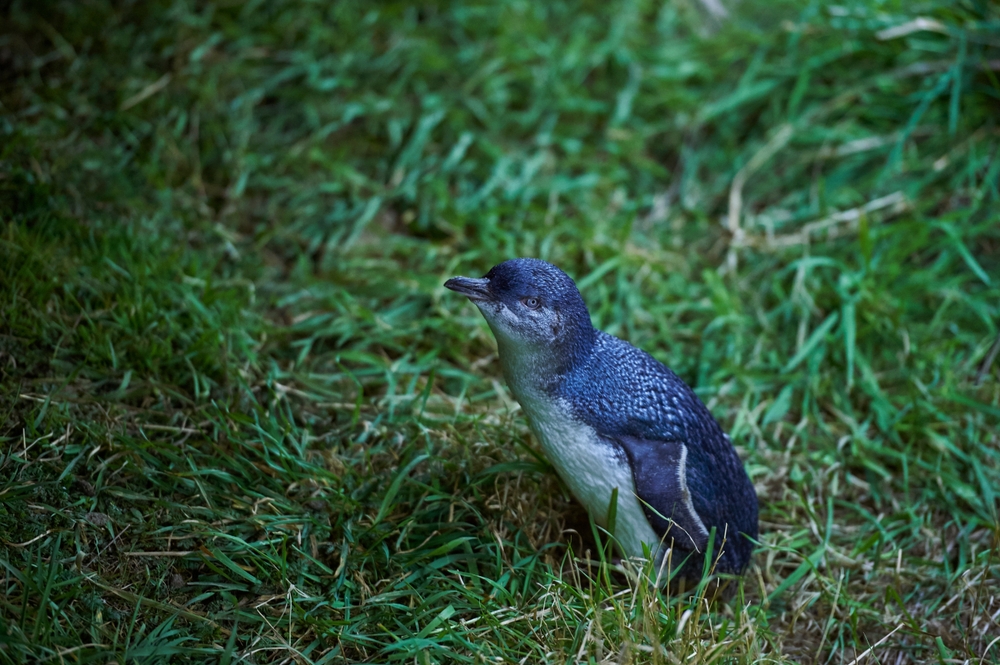
A tiny penguin chick no taller than a coffee mug has just made his debut in the UK, and he belongs to the smallest penguin species in the world. Born at Sea Life Weymouth in south-west England, baby Henry is already drawing attention for his delicate size, his soft grey down, and the careful effort that went into helping him safely enter the world. While many people picture penguins against icy Antarctic backdrops, Henry represents a very different branch of the penguin family tree, one that thrives along milder coastal regions thousands of miles away from frozen landscapes.
His arrival is more than a heartwarming wildlife update. It represents a meaningful achievement for Europe’s only little penguin breeding colony and reflects six years of patient conservation work behind the scenes. For visitors, Henry may simply appear as an irresistibly small chick nestled beside a stuffed toy companion. For marine biologists and animal care teams, however, his successful hatch signals steady progress in maintaining a healthy managed colony of a species that requires specialized care outside its native habitat.
Henry’s First Moments: A Delicate Beginning
Henry hatched on 30 January and is the second of two eggs laid by first-time parents Tyrion and Dandy. The hatching process did not unfold effortlessly, and the chick initially struggled to break free from his shell on his own. After close observation, the animal care team made the decision to gently assist him, a careful intervention that can mean the difference between life and loss in vulnerable hatchlings. Seb Webster, General Manager at Sea Life Weymouth, described the moment by saying, “Watching him break free from his shell, with a little helping hand from our animal care experts, was an incredibly special moment.”
The early hours of a penguin chick’s life are fragile and closely monitored. A delay in hatching can weaken a chick, making feeding and thermoregulation more difficult in those crucial first days. By stepping in at the right moment, the team ensured Henry could conserve his energy for feeding and growth rather than exhausting himself inside the shell. These early decisions reflect a balance between allowing natural processes to unfold and providing expert support when necessary.
Since emerging, Henry has been hand-reared in a specialist hatchery so that his parents can concentrate on raising his sibling naturally. This approach helps reduce pressure on first-time breeding pairs while giving each chick the strongest chance of survival. Webster noted his promising appetite, saying, “He’s already shown such spirit and determination, tucking into his fish fillets from day one like a true professional.” A strong feeding response at this stage is one of the clearest indicators that a chick is adapting well to its new environment.
The Smallest Penguin Species in the World
Fairy penguins, also known as little blue penguins, are native to the coastlines of southern Australia and New Zealand, where they nest in burrows and return from the sea in groups after fishing trips. Unlike their larger Antarctic relatives, these penguins live in temperate climates and have adapted to rocky shores and sandy beaches rather than icy terrain. Their blue-grey plumage distinguishes them from the classic black and white coloration that most people associate with penguins.
Adults typically stand between 30 and 40 centimeters tall and weigh only a few pounds, which makes them remarkably agile swimmers but also increases their vulnerability to predators and environmental shifts. Their small bodies allow them to dart quickly through the water in pursuit of fish, yet those same proportions require careful management in controlled environments to ensure proper nutrition and warmth. Replicating the natural rhythm of feeding and rest that they would experience in the wild is an important part of successful breeding programs.
Breeding this species outside its native habitat requires careful attention to temperature, light cycles, diet, and social structure. The success of Henry’s hatch reflects years of refinement in these areas. Each new chick provides additional data and experience that can improve outcomes for future generations within the colony.

Europe’s Only Little Penguin Colony
Sea Life Weymouth is home to the only colony of fairy penguins in Europe, and Henry’s arrival brings the total number of little penguins there to 42. The facility was the first in Europe to successfully breed the species and has spent six years building a stable, thriving colony through careful planning and animal care expertise. Each breeding season offers new insights into pairing compatibility, chick development, and habitat management.
Webster described the milestone by stating, “Henry’s successful hatching is a wonderful testament to six years of dedicated breeding work here at Sea Life Weymouth. As Europe’s only little penguin colony, every new arrival is significant.” For a specialized colony outside the species’ native range, each hatch strengthens genetic diversity and reinforces long-term sustainability.
At present, Henry is being kept company by a cuddly toy penguin while he remains in the hatchery. Although it appears charming, the toy serves as a form of visual comfort in the absence of constant parental presence. This small detail reflects the thoughtful approach taken by the care team, blending scientific knowledge with attentive observation of animal behavior.

What Happens Next for Baby Henry
For approximately 45 days, Henry will remain in the hatchery under close supervision. During this period, keepers will monitor his weight, feeding response, hydration levels, and feather development to ensure steady growth. Consistency is key at this stage, as fluctuations in appetite or body temperature can quickly affect a chick’s health.
Before he can join the main enclosure, Henry must complete his first moult. This transformation replaces his soft down with waterproof feathers that allow him to regulate body temperature while swimming. Without fully developed waterproofing, a penguin cannot safely spend time in water, making this developmental milestone essential for his progression into the colony.
He will also undergo a swimming assessment to confirm that his plumage repels water effectively and that he can move confidently in the aquatic environment. Only after passing these evaluations will he be introduced to the broader group. Visitors during the half term holidays may have a chance to see him during one of his four daily feeds, although appearances depend entirely on his care schedule and well-being.

Why Conservation Breeding Programs Matter
Conservation breeding programs like the one at Sea Life Weymouth provide more than an opportunity for public engagement. They contribute valuable information about species health, reproduction, nutrition, and behavior that can inform conservation strategies in the wild. Even when a species is not currently classified as endangered on a global scale, localized populations can face serious pressure from habitat loss, pollution, and shifting ocean conditions.
Fairy penguins in their native habitats encounter threats such as coastal development, oil spills, reduced fish availability, and predation. Maintaining a healthy managed colony ensures that knowledge and genetic lines are preserved, offering a layer of security should wild populations decline more sharply in the future. Each successful hatch strengthens both scientific understanding and conservation capacity.

Henry may be small in stature, but his safe arrival reflects years of dedication and planning. From assisted hatching to steady feeding and careful monitoring, his story demonstrates how attentive human care can support vulnerable wildlife. In watching a chick no larger than a handful grow into a confident swimmer, visitors are reminded that conservation often advances quietly, one carefully protected life at a time.
