

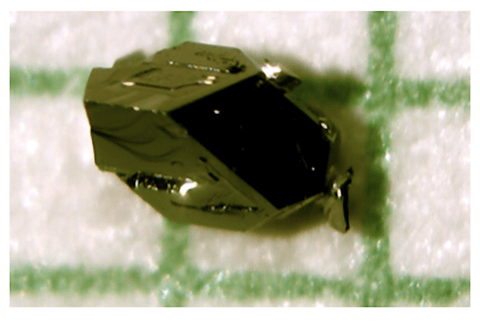
The discovery of the first unconventional superconductor found in nature has opened a new chapter in science and wellness thinking. Scientists recently identified a naturally occurring mineral that conducts electricity without resistance under specific conditions. Until now this rare behavior had only been created in laboratories using engineered materials. Finding it in nature reshapes how researchers think about the hidden abilities of the natural world.
From a health and wellness perspective this discovery is especially meaningful because it reinforces how deeply human wellbeing is tied to natural systems. Many modern health innovations have roots in natural compounds and minerals that were once overlooked. This new mineral reminds us that nature often holds solutions far beyond what we expect when we take time to study it carefully.
Superconductors are known for their ability to move electrical energy with almost no loss. In the human body electrical signaling plays a central role in nerve function muscle movement and brain communication. While this mineral does not directly affect human biology it offers a powerful analogy for efficiency balance and flow which are core principles of holistic health.
This finding also encourages a broader appreciation for earth based materials. Just as minerals support bone health, enzyme activity and cellular balance the properties of this superconductor reflect the complexity of natural design. Understanding such discoveries helps shift wellness conversations toward respect for natural intelligence rather than constant technological manipulation.
What Makes This Superconductor Different From Others
Most superconductors discovered so far fall into a category known as conventional superconductors. These materials follow predictable rules in which electrons pair up and move smoothly through a structure. The newly discovered mineral behaves differently, which is why it is described as unconventional. Its internal electron behavior breaks from long standing models used in physics.
This distinction matters because unconventional superconductors often show complex internal order. That complexity mirrors biological systems, where health depends on layered interactions rather than single mechanisms. The human nervous system, immune response, and gut environment all rely on coordinated communication similar to the intricate electron interactions seen in this mineral.
Scientists believe the mineral structure itself creates conditions that allow this unusual behavior to occur naturally. This challenges the idea that high performance materials must be artificially produced. From a wellness lens, this aligns with the belief that natural environments can support optimal function when conditions are right.
By studying why this mineral behaves differently, researchers may learn how nature stabilizes high energy systems without collapse. That concept resonates strongly with stress management and metabolic health, where balance rather than force leads to better outcomes.
Why Electrical Flow Matters For Human Health
Electrical signals are fundamental to life. Every heartbeat, muscle contraction, and thought depends on precise electrical communication. Although humans are not superconductors, the idea of resistance free flow offers a useful framework for understanding health challenges.
When electrical signaling in the body faces resistance, problems can arise. Chronic inflammation, nutrient deficiencies, and stress can interfere with nerve signaling and cellular communication. This disruption contributes to fatigue, pain, and cognitive strain. In wellness practice, the goal is often to restore smooth internal communication rather than suppress symptoms.
The natural superconductor highlights how efficient flow conserves energy. In the body, efficient energy use supports endurance, mental clarity, and immune strength. Practices such as adequate sleep, mineral rich nutrition, and stress regulation help reduce internal resistance in a similar way.
By learning from natural systems, scientists and health practitioners can better appreciate how the body thrives when pathways are clear. This reinforces holistic approaches that focus on circulation, hydration, nervous system balance, and metabolic efficiency.

The Role Of Minerals In Wellness And Vitality
Minerals play a foundational role in human health. Magnesium, calcium, potassium, and iron support nerve signaling, muscle movement, oxygen transport, and enzyme activity. Without adequate minerals, the body struggles to maintain balance and energy.
The discovery of a powerful mineral based phenomenon reinforces the importance of earth derived nutrients. While this specific superconductor mineral is not used as a supplement, it reminds us that minerals can possess unexpected capabilities that science is still uncovering.
Modern diets often lack mineral density due to soil depletion and food processing. This deficiency can contribute to cramps, anxiety, irregular heartbeat, and fatigue. Reconnecting with mineral rich foods supports electrical stability within the body.
Wellness traditions across cultures emphasize grounding practices such as spending time outdoors, consuming whole foods, and using mineral rich water sources. These habits support the body’s natural electrical systems and reflect principles seen in this scientific discovery.
How Nature Continues To Inspire Medical Innovation
Many medical breakthroughs trace their origins to nature. Antibiotics emerged from fungi, heart medicines from plants, and surgical adhesives from marine organisms. The discovery of a natural unconventional superconductor fits this pattern, reinforcing the idea that complex solutions can arise without deliberate human design. Nature often provides answers through processes refined over time rather than engineered from scratch.
Nature tends to solve problems through efficiency instead of excess. Biological systems recycle energy, respond to stress, and maintain balance through subtle mechanisms that scientists still strive to understand. Careful observation of these systems has shaped modern medicine and continues to influence how new tools, therapies, and technologies are developed.
In health research, natural models often guide safer and more sustainable solutions. Understanding how nature achieves efficiency with minimal input may shape future advances in imaging, diagnostics, and energy delivery devices. These insights could reduce invasiveness, improve precision, and support better outcomes in medical care.
Natural inspiration also encourages preventative health thinking. When medicine looks to nature, it often emphasizes maintaining function rather than fixing failure. This aligns with wellness approaches focused on early support, nutrition, and balance, helping build trust in natural intelligence and confidence in integrative care.

What This Discovery Teaches Us About Balance And Flow
Balance is a shared principle in both physics and wellness. In superconductors, balance enables electrons to move freely without disruption. In the human body, balance allows hormones, neurotransmitters, and immune signals to communicate efficiently. In both cases, stability creates conditions for optimal flow and function.
Human health depends on regulated and coordinated movement. Blood circulation, lymphatic flow, nerve signaling, and digestion rely on precise rhythms. When these systems remain balanced, the body conserves energy and maintains internal stability. This efficiency supports resilience and long term health.
Stress, poor nutrition, and lack of rest introduce resistance into biological systems. Over time, this resistance leads to burnout, inflammation, and chronic illness. Wellness strategies focus on restoring harmony rather than forcing outcomes. The naturally occurring superconductor shows that when structure and environment align, extraordinary efficiency can emerge.
Balance also has a psychological dimension. Mental overload, emotional strain, and constant stimulation disrupt internal flow. This mirrors how disorder interferes with electrical movement. Practices that encourage calm focus, rest, and emotional regulation help restore clarity, resilience, and overall balance.
A Natural Lesson For Modern Wellness Thinking
This discovery invites a shift in how progress is understood. Rather than treating nature as something to improve upon, it frames nature as a teacher. Wellness philosophies have long reflected this view through practices such as herbal medicine, mindful movement, and meditation.
Modern wellness culture often searches for quick fixes, while nature works through gradual adaptation. Studying natural systems encourages patience, consistency, and respect for biological timing. These values support lasting health rather than short term results. Scientific recognition of rare natural phenomena strengthens confidence in holistic approaches.
For readers, this perspective is a reminder to look toward nature for guidance in personal health. Simple practices such as nourishing food, mindful breathing, and environmental awareness can support internal efficiency and stability. Small, consistent habits often create the most meaningful change.
Nature based wellness also emphasizes prevention. When daily habits align with natural needs, the body is less likely to break down. This reduces dependence on aggressive interventions. As science reveals more about natural materials, the connection between physics and wellness becomes clearer, with both valuing balance, efficiency, and respect for underlying systems.

A Grounded Takeaway For Health Focused Readers
While this mineral will not become a supplement or therapy, its significance extends beyond physics. It symbolizes what is possible when systems operate in harmony and efficiency. Nature demonstrates that complex outcomes can emerge without force or excess.
Health thrives under similar balanced conditions. When the body receives proper minerals, rest, movement, and emotional support, internal resistance decreases. Vitality improves naturally through alignment rather than intervention.
Daily choices either increase or reduce internal resistance. Poor sleep, dehydration, chronic stress, and nutrient gaps disrupt flow, while supportive habits restore balance. Small, consistent actions shape long term wellbeing.
This discovery encourages curiosity, patience, and humility. It reminds us that many answers to modern challenges already exist in nature. By aligning with principles of balance, flow, and efficiency, individuals can support health in ways that reflect natural design.
