
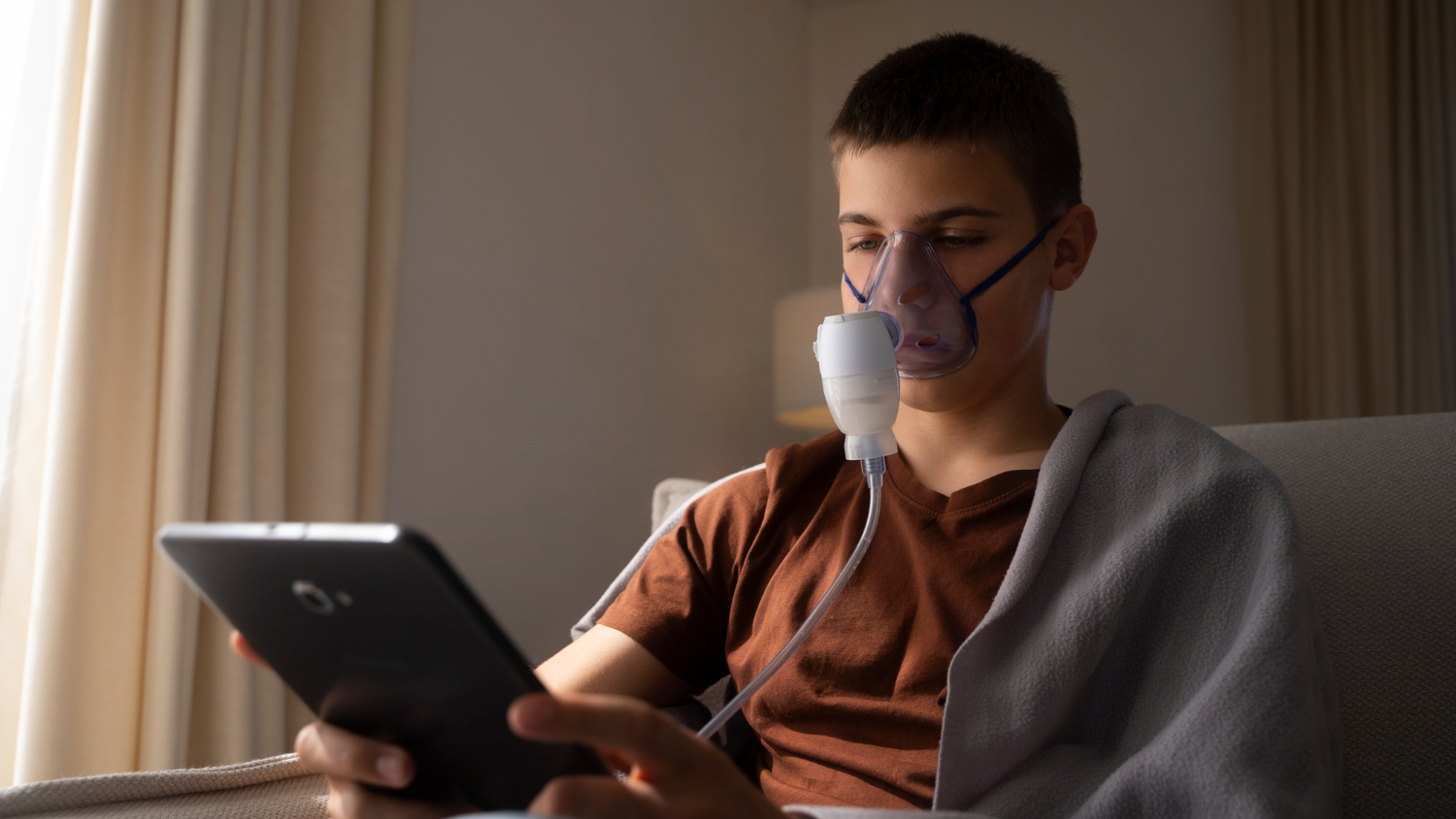
Doctors handed a teenager a sealed plastic bag after his third surgery, and what sat inside would change his life forever. Brown, shrivelled, and disturbingly dark, pieces of his own lung tissue stared back at him through the transparent medical packaging. LeeRay King and his mother opened that bag together, both recoiling at what years of vaping had done to tissue that should have been pink and healthy. At just 17 years old, LeeRay had already lost part of an organ most people never think about until something goes catastrophically wrong.
What started as peer pressure at age 14 spiraled into an addiction that nearly killed him, and medical photographs of his damaged lung tissue now serve as a warning that vaping among teenagers has consequences far more serious than most young people realize. LeeRay’s story begins like countless others across New Zealand, the United Kingdom, and beyond, where disposable vapes have become as common in teenage hands as smartphones. But unlike most teen vaping stories, his ends with surgeons cutting diseased tissue from his chest and placing it in a bag for his family to bury in their garden.
Social Pressure Turned Curiosity Into Dependency Within Days
LeeRay King lived near Wellington, New Zealand, and attended school like any normal teenager until friends introduced him to vaping at 14. Peer pressure works differently than adults remember, arriving not as obvious coercion but as subtle social cues that certain behaviors make you fit in while others mark you as an outsider. LeeRay gave in to that pressure despite his initial reluctance, taking his first puff from a disposable vape device. He admitted that “I didn’t like it at first but then got hooked on it within the first week.”
Between ages 14 and 16, LeeRay descended into what he now describes as heavy vaping, consuming four disposable vape devices every single week. Each disposable contained enough nicotine and flavoring chemicals to deliver hundreds of puffs, yet LeeRay burned through them at a rate that shocked even medical professionals who later treated him. He vaped constantly throughout each day, never going more than a few hours without reaching for his device. Without access to vapes, LeeRay became irritable and anxious, displaying classic signs of nicotine addiction that he had developed in mere days.
For over a year, LeeRay successfully hid his vaping habit from family members who had no idea their son was inhaling chemicals into his developing lungs thousands of times per day. Parents often miss these signs because disposable vapes produce less obvious odors than traditional cigarettes and can be concealed in pockets or backpacks with ease. LeeRay continued his habit without fully understanding the damage accumulating inside his chest cavity with each inhale, believing, like many teenagers, that vaping posed minimal health risks compared to smoking.
Hundreds of Missed Calls Signaled Medical Emergency

August 2024 brought the wake-up call that would save LeeRay’s life while simultaneously revealing how much damage he had already sustained. He woke in the middle of the night, struggling to breathe, with stabbing pain radiating through the left side of his chest. Panic set in as he realized something had gone seriously wrong inside his body, prompting him to frantically call his mother, Kylee Jop,e dozens of times until she finally woke. Kylee, a 50-year-old cleaning supervisor, saw hundreds of missed calls and messages from her son saying his chest hurt and breathing had become difficult.
She rushed to collect LeeRay and drive him to the nearest hospital, but her son’s condition deteriorated rapidly during the short journey. LeeRay keeled over in the front passenger seat, doubled over in pain so severe that tears streamed down his face despite his attempts to stay composed. Kylee had never seen her son in such agony and drove faster than she normally would, knowing instinctively that whatever was happening inside his chest required immediate medical intervention. Upon arrival at the emergency department, medical staff quickly assessed LeeRay’s breathing difficulties and ordered an electrocardiogram along with chest x-rays to determine the source of his pain.
Medical imaging revealed a large pneumothorax, a condition where air escapes from the lung into the space between the lung tissue and the chest wall. Pressure from trapped air forces the lung to collapse inward, making breathing painful and difficult while potentially causing life-threatening complications if left untreated. Doctors informed Kylee that her son’s left lung had completely collapsed, words that made her burst into tears as she realized how close she had come to losing her child. Neither LeeRay nor his mother had connected his vaping habit to any serious health consequences until that moment in the emergency room.
Five Lung Collapses Over Four Months Changed Everything

LeeRay’s collapsed lung represented just the beginning of a four-month medical nightmare that would ultimately require three separate surgical procedures. His left lung collapsed four more times over the following months, each incident sending him back to the hospital for emergency treatment. Doctors struggled to understand why a teenager’s lung kept failing until they began investigating his vaping history and realized the connection between his habit and his repeated pneumothorax events.
Surgeons first attempted a procedure called pleurodesis, which creates strong adhesions between the lung surface and the chest wall to prevent fluid accumulation and reduce the risk of future collapses. Medical teams hoped that bonding these tissues together would stabilize LeeRay’s lung and end the cycle of repeated emergency room visits. Unfortunately, his lung tissue had sustained too much damage for pleurodesis alone to work, forcing doctors to consider more aggressive surgical options.
LeeRay then underwent a pleurectomy, a more invasive procedure requiring surgeons to remove the lining of his chest wall in hopes of creating better adhesion between remaining tissues. Recovery from pleurectomy is painful and lengthy, requiring weeks of careful monitoring to ensure no infections develop and the surgical site heals properly. Even after this second surgery, LeeRay’s problems continued because the underlying damage to his lung tissue remained unaddressed.
Surgeons Removed Blackened Tissue That Should Have Been Pink

During a third surgery, doctors made a discovery that shocked everyone involved in LeeRay’s care. Portions of his lung tissue had turned dark brown and black, shriveled from damage caused by years of inhaling vaporized chemicals. Healthy lung tissue appears pink and spongy, filled with tiny air sacs called alveoli that facilitate oxygen exchange. LeeRay’s damaged tissue looked nothing like a healthy lung, instead resembling burnt organic material that had lost its ability to function.
Surgeons had no choice but to remove the diseased portions of LeeRay’s lung, cutting away tissue that could no longer contribute to his breathing and might cause future complications. After the procedure, the medical staff placed the removed lung tissue into a sealed plastic medical specimen bag and gave it to the family. Kylee and LeeRay later opened that bag together, both unprepared for the visual evidence of what vaping had done. “When we picked it up, LeeRay pulled it out and we were both like ‘oh my god’,” Kylee recalled.
Seeing his own lung tissue in that condition forced LeeRay to confront the reality that he had permanently damaged his body before even finishing high school. He realized that vaping had not been the harmless activity his peers made it seem, but rather a slow form of self-destruction that nearly killed him. Doctors explained that the blackened tissue resulted from inflammatory responses triggered by chemicals deep within his lungs, causing scar tissue formation and structural damage that could never fully heal.
Medical Science Explains Why Vaping Destroys Young Lungs

Pneumothorax develops when air blisters form at the top of the lungs and eventually burst, allowing air to leak into spaces where it does not belong. Vaping appears to accelerate blister formation through inflammatory processes that weaken lung tissue over time. Dr. Stephen Broderick from Johns Hopkins University School of Medicine explained that vaporized elements from e-cigarettes get deep into the lungs and cause inflammatory responses that healthy lungs should never experience.
Young people face particular vulnerability because their lungs continue developing until around age 25, meaning damage sustained during teenage years can have permanent consequences. Nicotine consumed during adolescence harms brain regions controlling attention, learning, mood, and impulse control while also increasing addiction risk. Centers for Disease Control and Prevention research confirms that vaping nicotine can permanently affect brain development in anyone under 25 years old.
Beyond lung collapses, vaping can cause bronchiolitis obliterans, commonly called popcorn lung, because it was first identified in workers at microwave popcorn factories. Scar tissue builds up in the smallest airways of the lungs, causing coughing, shortness of breath, and breathing difficulties that progressively worsen over time. Medical science currently offers no cure for popcorn lung, only treatments to manage symptoms and slow disease progression.
Vaping also damages cardiovascular health, with research from the American Heart Association showing that e-cigarettes harm the heart and blood vessels just as much as traditional cigarettes. Chemicals in vape liquids contribute to tooth decay by creating dry mouth conditions where harmful bacteria thrive, leading to cavities and gum disease. Young vapers face all these risks while their bodies are still developing, potentially setting themselves up for decades of health problems that begin before they even reach adulthood.
Mother Shocked by Marketing That Hid Deadly Risks

Kylee watched her son suffer through multiple surgeries and lung collapses without ever suspecting that vapes could cause such severe damage. Marketing for e-cigarettes often emphasizes their role as smoking cessation tools for adults trying to quit traditional cigarettes, giving many people the impression that vaping poses minimal health risks. Kylee admitted that “I never realised vapes could do this. They advertise it to help give up smoking. You’re pretty much intentionally drowning your insides.”
Seeing LeeRay in the hospital, watching him struggle to breathe and cry from pain, left emotional scars on Kylee that may never fully heal. She described the entire experience as horrifying, particularly because her son developed these severe health problems while still in his mid-teens. Many parents share Kylee’s surprise when they learn about serious health consequences from vaping, having been told repeatedly that e-cigarettes are safer alternatives to smoking.
Teenager Now Warns Others Before They Make His Mistakes

LeeRay recently visited a primary school near his home to share his story with students who might be tempted to try vaping. He speaks openly about the pain he endured and shows photographs of his blackened lung tissue to drive home the message that vaping carries real consequences. LeeRay wants younger children to learn from his mistakes rather than repeating them, hoping that his suffering might prevent others from experiencing similar medical crises.
He tells students that the pain he experienced is something no young person should have to endure, urging them to resist peer pressure and avoid vaping entirely. LeeRay makes one thing clear to everyone he speaks with, declaring that he will never touch a vape again as long as he lives. Recovery from his surgeries continues, and while he can now breathe without assistance, part of his lung is gone forever. At just 17, LeeRay faces a lifetime of monitoring his respiratory health and managing whatever long-term complications may arise from damage sustained during his teenage years.
