
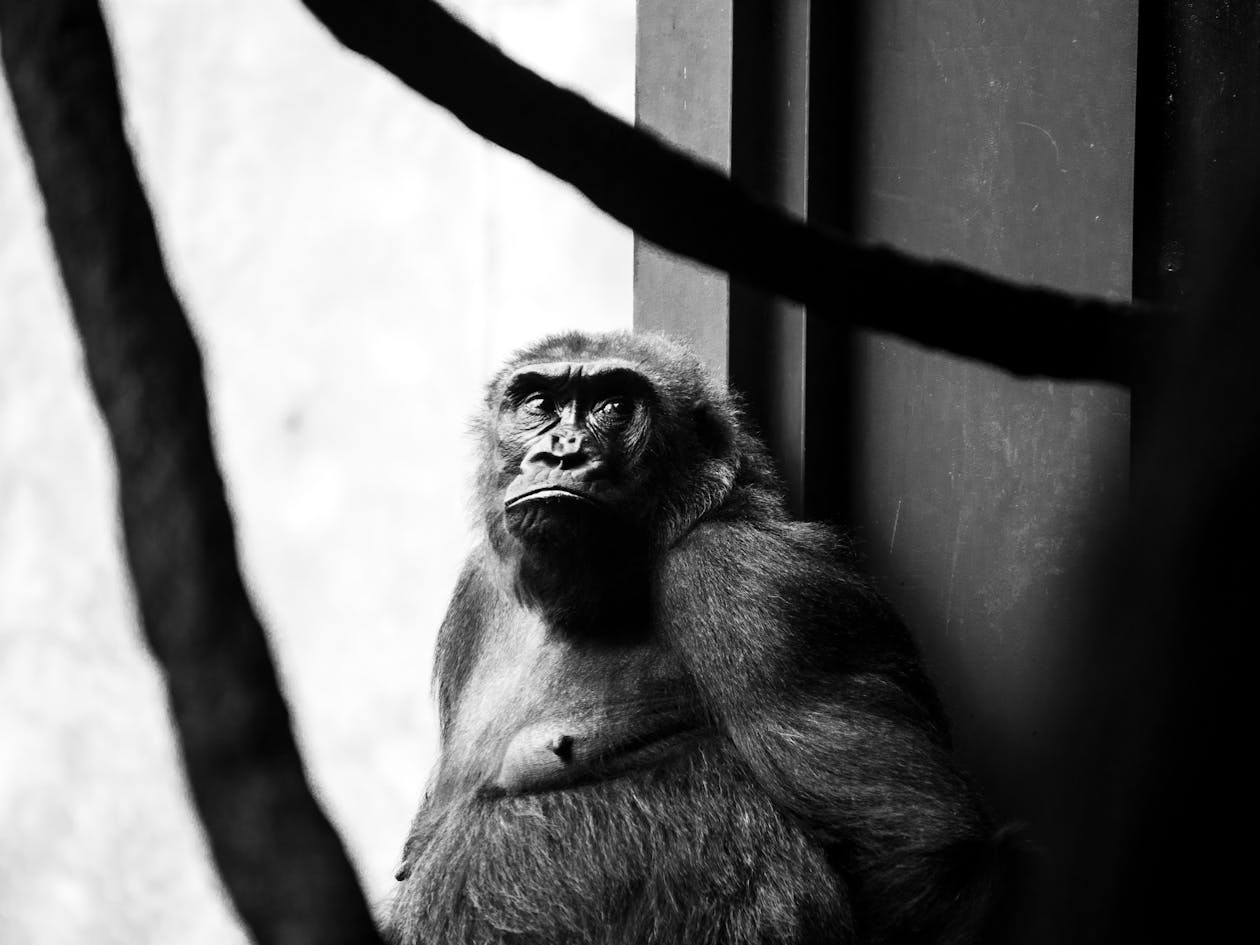
A video circulating online shows something unexpected inside an abandoned British zoo. Urban explorers who broke into Bristol Zoo Gardens found eight western lowland gorillas still living in their enclosure, three years after the gates closed to visitors. One ape can be seen pressing against glass windows while overgrown paths and empty buildings surround the habitat.
Footage captured by trespassers has ignited debate about animal welfare, transparency, and what happens when a beloved zoo shuts down. But is there more to the story than viral videos suggest?
Urban Explorer Walks Into Abandoned Zoo, Films Gorillas “Banging on Windows”
Someone claiming to be an urban explorer uploaded footage after spending several hours inside Bristol Zoo Gardens. According to the individual, access proved easy. No barriers blocked entry. No security guards patrolled the grounds.
“We simply went to the staff doors, pushed them open and walked straight through,” the explorer stated. After spending 90 minutes exploring, they returned two days later without encountering any obstacles.
Inside, the explorer filmed deserted visitor buildings, abandoned aquarium spaces, and various animal enclosures left to nature. But what caught attention most was a large glass structure housing gorillas. One ape tapped on the windows while others moved about their habitat.
Camera footage shows paths choked with vegetation and empty exhibits across the 12-acre Clifton site. For anyone familiar with Bristol Zoo Gardens during its 186 years of operation, seeing such decay feels jarring.
“What Are You Hiding?” Explorer Questions Zoo’s Transparency

Explaining their motivation, the person who filmed claimed they wanted to find the animals and spread awareness. In their video, they posed direct questions to Bristol Zoo management. “Bristol zoo: what are you hiding? What is it you don’t want everyone to know? These gorillas should never be in here.”
According to the explorer, confusion about what happened to animals after closure drove their trespass. Many people shared their bewilderment. Where did all the creatures go? Why would gorillas remain at a shuttered facility?
“I, like many others, didn’t understand what was going on,” they explained in the footage. Claims followed that zoo officials lacked transparency about animal whereabouts and living conditions.
Perhaps most concerning, the explorer suggested they could have accessed gorilla enclosures directly if they’d chosen to do so. Such statements raised alarm about both animal safety and potential harm to untrained individuals who might attempt similar intrusions.
Bristol Zoo Responds to Break-Ins: Gorillas Are Awaiting Their New Home
Bristol Zoological Society stated that after the videos went viral. According to zoo management, trespassers have targeted the former Bristol Zoo Gardens site repeatedly, spreading false information across social media platforms.
Zoo officials explained that western lowland gorillas still reside at Clifton temporarily while construction continues on their permanent habitat. Work on the African Forest enclosure at Bristol Zoo Project needs completion before animals can relocate.
Far from abandonment, experienced keepers and a dedicated welfare team continue caring for the gorilla troop daily. Animals maintain the same routine they followed when crowds visited the site. Staff wanted to clarify that gorillas receive proper care, nutrition, and enrichment despite the closure.
Bristol Zoo Project represents the organization’s new chapter. Located at what was formerly called the Wild Place Project near Cribbs Causeway, the facility will house animals from the historic Clifton location once construction finishes.
African Forest Habitat at New Bristol Zoo Project Nearly Complete

Size matters when discussing great ape housing. Gorillas at their current Clifton enclosure will move to accommodations measuring 4.5 times larger than their present home.
Designers modeled the African Forest habitat after forests found in Equatorial Guinea, creating environments that better replicate natural gorilla territory. Construction teams have planted trees, installed climbing structures, and built new enclosures suited to western lowland gorilla needs.
Recent progress reports indicate completion will occur “within the next few months.” Once finished, the habitat will provide gorillas with expanded territory for roaming, foraging, and social interaction.
Zoo officials posted updates showing construction progress on social media. Photos reveal workers installing vegetation, building shelters, and creating varied terrain. Getting such complex habitats right takes time, specialized expertise, and careful planning.
Bristol Zoological Society made clear their priority involves ensuring gorillas move into fully prepared, safe, enriching spaces rather than rushing relocation to inadequate facilities.
Repeated Break-Ins Trigger Alarms That Disrupt Gorilla Sleep and Training
Each trespass creates problems beyond the obvious security concerns. When intruders enter the property, sophisticated alarm systems activate. Loud sounds from security alerts cause stress for gorillas trying to maintain normal routines.
According to mammal keeper Sarah Gedman, disruptions force staff to “shut the gorillas in overnight because there is more of a risk to the trespassers coming onto site.” Normally, gorillas can move freely between indoor and outdoor spaces, choosing where they spend time. Break-ins remove that autonomy.
Sleep disruption hits the animals hard. Missing rest leaves gorillas groggy and lethargic the following day. Such interruptions interfere with training programs designed to prepare the troop for its upcoming move.
Staff work to acclimate gorillas gradually to the changes they’ll experience at Bristol Zoo Project. When trespassers trigger alarms repeatedly, training sessions get derailed. Progress stalls. Animals experience unnecessary anxiety.
For keepers who spend years building relationships with these great apes, watching social media posts claim the gorillas face abandonment causes real pain. One keeper described feeling hurt seeing suggestions that animals they love and care for daily are somehow neglected or forgotten.
Bristol Zoo emphasized security has been “stepped up” precisely because break-ins put both gorillas and intruders at risk. While measures prevent trespassers from reaching the animals directly, damage still occurs through alarm activation.
Eight Gorillas Still Receive Daily Care from Experienced Keepers

Despite viral videos suggesting otherwise, gorillas at the Clifton site receive consistent professional care. Keepers maintain schedules that mirror routines from when the zoo operated publicly.
Animals access both outdoor areas and multiple indoor spaces. Temperature controls remain active. Enrichment activities continue. Veterinarians examine the troop on regular schedules. Zoo staff, students, researchers, and supporters visit throughout each week.
Bristol Zoological Society posted video evidence of gorilla care on their YouTube channel. Footage shows animals moving through outdoor spaces, engaging with enrichment objects, and interacting with keepers. Staff wanted concrete proof to counter misinformation spreading online.
Once gorillas move to their African Forest home, zoo management plans a gradual introduction to public visitors. After three years without seeing crowds, animals will need time adjusting to having people watch them again.
Current living conditions at Clifton meet welfare standards for temporary housing. While not ideal long-term, the enclosure provides adequate space and resources until permanent quarters become available.
Wildlife Charity Born Free Criticizes Extended Captivity During Transition

Not everyone accepts Bristol Zoo’s explanations without reservation. Wildlife charity Born Free released a report criticizing the extended period gorillas have spent at the closed Clifton site.
Born Free’s assessment noted: “Great apes also pose a serious safety risk when they are kept in unnaturally close proximity to humans in zoos.”
According to the charity, keeping western lowland gorillas at a facility that lacks public access creates unusual circumstances. While work continues on new enclosures, animals remain in limbo.
Born Free’s report specifically mentioned break-ins at Bristol Zoo Gardens. Repeated disturbances and loud alarm systems have had what they called “really distressing” impacts on gorillas. Health and safety risks affect both the animals and the people who trespass onto the property.
Animal welfare organizations often advocate for different standards than zoos apply. Born Free’s criticism reflects ongoing debates about appropriate housing, timelines for moves, and whether temporary situations stretch too long.
Bristol Zoo maintains that moving gorillas before their new habitat is complete would create worse problems. Better to keep them in familiar surroundings with established care routines than relocate to unfinished facilities.
Social Media Misinformation vs. Reality: What’s Actually Happening
Director Hannah Windross addressed the gap between viral content and actual conditions. Speaking to BBC Radio Bristol, she described how misleading posts hurt staff who dedicate their careers to animal welfare.
“It’s distressing I think particularly for the keepers because they spend so much time working with these animals, they love and care for these animals for years,” Windross explained.
Bristol Zoological Society accused social media influencers of sharing misleading content solely to gain followers. Each time videos spread online, more break-ins follow. More distress results. More disruption occurs.
Zoo management asked supporters to combat false information and raise awareness about the harm caused by continued trespassing. Clarifying the situation became difficult when dramatic videos overshadowed factual statements.
Some critics argue that Bristol Zoo should have communicated relocation timelines more clearly from the beginning. Better public information might have prevented confusion that drove urban explorers to investigate.
Others believe viral video creators bear responsibility for presenting incomplete stories designed to provoke outrage rather than inform audiences. Nuance gets lost when content aims for maximum engagement.
Questions about transparency remain contentious. Did Bristol Zoo publicize gorilla situations adequately? Or did communication gaps create space for speculation and concern?
Move Expected “Within a Few Months” as Construction Progresses

Current projections put gorilla relocation just months away. Construction at the Bristol Zoo Project continues advancing toward completion. Once the African Forest habitat meets all requirements, the eight-member troop will make their journey to new permanent quarters.
Staff face the challenge of moving large, powerful animals safely between sites. Gorillas will need time adjusting to the expanded territory and different surroundings. Gradual transitions help reduce stress during major changes.
After relocation, Bristol Zoo Project will gradually reintroduce visitor access. Animals that haven’t seen public crowds in three years may initially find human presence unsettling. Careful management can ease that adjustment.
For now, gorillas remain at their familiar Clifton home. Keepers continue daily care. Security systems protect against further intrusions. And construction crews work to finish spaces that will house these western lowland gorillas for years to come.
Bristol Zoo Gardens served the city for nearly two centuries before financial pressures from the pandemic forced closure in September 2022. While that chapter ended, conservation work continues at Bristol Zoo Project.
Once gorillas settle into their new African Forest habitat, they’ll enjoy significantly more space and enhanced environments. Until then, temporary arrangements at Clifton keep them safe, healthy, and cared for by people who know them best.
