
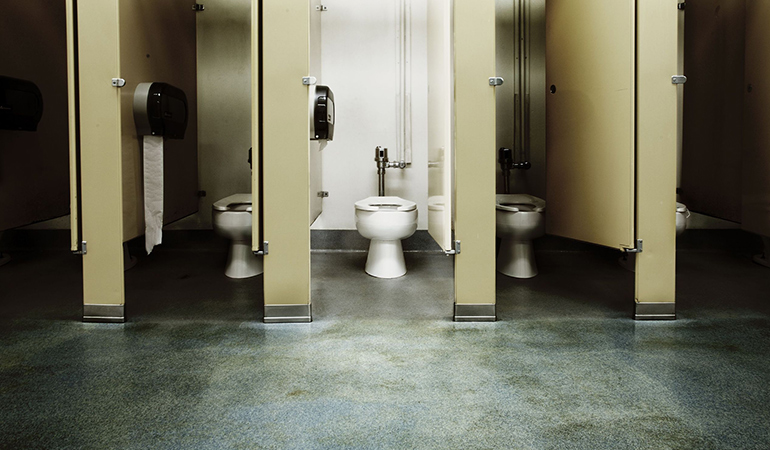
It may come as a surprise that something as ordinary as using the bathroom could be enough to make employees consider quitting their jobs. Yet recent surveys reveal just how common this hidden stress truly is. According to data from QS Supplies, more than three-quarters of U.S. and U.K. employees have experienced workplace bathroom anxiety. Among Gen Z workers, the numbers are even more striking, with 83% admitting to feeling this discomfort and nearly 1 in 12 saying they have thought about leaving a job after a humiliating bathroom incident. For many, the fear of being overheard, judged, or remembered for an embarrassing moment in the restroom is powerful enough to shape daily routines and even career decisions.
This anxiety doesn’t just come from shyness or mild embarrassment. For a generation already navigating economic uncertainty, high turnover, and intense social pressures, workplace bathroom anxiety represents yet another layer of stress. Many employees carefully plan their days around when and where they can use the bathroom, with some waiting until meetings end, while others avoid certain restrooms altogether depending on who might be inside. A third of workers even admit to faking excuses just to sneak away unnoticed. These behaviors illustrate how a natural bodily function has become stigmatized, transforming the restroom into a place of tension rather than relief.
The Mental Health Impact
The mental health effects of bathroom anxiety are more serious than they might appear at first glance. Psychologists note that this type of fear is a form of anticipatory anxiety, where people stress about what could happen before it even occurs. The thought of being overheard, leaving an odor, or facing ridicule creates a constant state of worry that activates the body’s stress response. Over time, this can trigger heightened levels of cortisol the primary stress hormone which affects mood, concentration, and even sleep quality.
For Gen Z employees, who are already among the most stressed and burned-out generation in the workplace, bathroom anxiety compounds existing pressures. The shame and silence surrounding natural bodily needs can lead to feelings of isolation.

Workers may believe they are the only ones struggling, even though surveys show that the majority have experienced the same discomfort. This internalized shame can intensify depression, reduce productivity, and make employees feel unsafe in their work environments.
The problem extends beyond the individual. When an employee is preoccupied with avoiding embarrassment, it interferes with focus and efficiency. Imagine spending a large portion of the workday strategizing when it’s safe to use the restroom rather than focusing fully on tasks. This silent stressor chips away at mental well-being and job satisfaction, gradually wearing down an employee’s confidence and sense of belonging.
How Culture Shapes Bathroom Anxiety

Workplace culture plays a powerful role in how bathroom anxiety is experienced and expressed. In offices with open-plan layouts, where bathrooms are located near communal spaces, employees often feel heightened exposure and reduced privacy. Even casual jokes about bathroom use can reinforce feelings of shame, sending the message that these natural needs are something to hide. This culture of silence prevents people from advocating for themselves and contributes to ongoing stress.
In some cases, policies and management decisions directly fuel bathroom anxiety. Nearly one in five U.S. employees reported being denied a bathroom break by a manager, a rate significantly higher than that in the U.K. For employees, this sends a clear signal that their bodily needs are secondary to productivity metrics. It also deepens the divide between management and workers, fostering distrust and resentment. Over time, employees in such environments may disengage emotionally or look for other job opportunities.
This culture of avoidance has ripple effects. When basic needs are treated as distractions, employees are more likely to suppress them until they reach a point of physical discomfort or even emergency. Some employees in surveys admitted to hiding soiled clothing at work rather than asking for help or raising concerns. These extreme measures demonstrate the depth of shame linked to workplace bathroom use and reflect how unhealthy workplace norms can damage both mental and physical health.
The stigma surrounding natural bodily functions also perpetuates gender disparities. Women reported bathroom anxiety more often than men, by a margin of 24%. This difference may stem from social expectations around privacy and cleanliness, as well as the additional challenges posed by menstruation, which further increase anxiety in environments where bathroom use feels monitored or judged.
Physical Consequences of Holding It In

The physical effects of avoiding the bathroom are both immediate and long-term. When employees hold in bowel movements or delay urination, they put unnecessary strain on their digestive and urinary systems. Over time, this can lead to constipation, urinary tract infections, bloating, abdominal pain, and even more chronic gastrointestinal issues. What begins as a psychological stressor quickly translates into tangible physical problems.
Constipation is one of the most common outcomes of bathroom anxiety. Prolonged holding of stool allows the body to absorb more water from it, making it harder and more difficult to pass later. This can cause pain, hemorrhoids, and long-term damage to the colon if the pattern continues. Similarly, avoiding urination can lead to bladder stretching and urinary tract infections, particularly in women, where bacterial buildup becomes more likely the longer urine is held.
Digestive health is closely tied to mental health, and bathroom anxiety adds strain to both systems simultaneously. The gut-brain axis a communication network between the digestive tract and the nervous system means that stress in the brain often shows up in the stomach. Employees who are constantly anxious about bathroom use may also develop irritable bowel syndrome (IBS), acid reflux, or other stress-related digestive conditions. Thus, what begins as an awkward workplace fear can become a genuine medical concern if left unaddressed.
Perhaps most alarming are the extreme coping strategies some employees resort to, such as hiding soiled clothes at work. These behaviors may seem unusual, but they highlight how desperate people feel to maintain their dignity in environments where privacy is scarce and judgment feels constant. The cycle of shame, suppression, and physical discomfort becomes self-reinforcing, making it harder to break without systemic change.
What Employers Can Do

Employers who want to create healthier, more supportive workplaces need to recognize bathroom anxiety as a legitimate issue that affects retention, productivity, and employee well-being. While it may not be a common topic in HR manuals, ignoring it only perpetuates unnecessary stress. Practical changes, many of them simple, can make a significant difference in how employees feel at work.
One of the most impactful adjustments is improving restroom privacy. Adding soundproofing, increasing the number of stalls, or relocating restrooms away from highly trafficked areas can help employees feel less exposed. Similarly, investing in proper ventilation reduces odor concerns, which are among the top reported sources of embarrassment. These design-oriented changes not only improve employee comfort but also reflect a company’s commitment to human-centered spaces.
Policy changes matter as well. Allowing flexible breaks rather than micromanaging time away from desks reduces the pressure employees feel to suppress natural needs. Managers can model this behavior by being open about their own breaks and avoiding jokes or comments that reinforce stigma. Psychological safety the sense that employees can bring their full selves to work without fear of judgment extends to something as basic as using the restroom.
Employers also have an opportunity to open dialogue about bathroom anxiety and normalize it within workplace wellness initiatives. Just as conversations about mental health have gradually become less taboo, the same can happen here. Acknowledging that everyone has the same needs, providing discreet channels for employees to share concerns, and offering solutions when problems arise can all reduce the silence that currently surrounds this issue.
When organizations take these steps, they not only reduce anxiety but also foster loyalty. Employees who feel cared for in basic ways are more likely to stay engaged, motivated, and committed to their work.
Coping Strategies for Individuals

While organizational change is crucial, individuals can also take proactive steps to manage bathroom anxiety in their day-to-day routines. Developing coping strategies not only reduces immediate stress but also prevents the long-term health consequences of avoidance.
Breathing exercises are a simple but effective tool. Taking slow, deep breaths before entering the restroom helps calm the nervous system, reducing the anticipatory anxiety that often triggers stress. Grounding techniques, such as focusing on the senses or repeating calming phrases, can also help redirect attention away from worry.
Self-compassion is another key element. Reminding yourself that everyone shares these needs regardless of rank or role helps dismantle internalized shame. Recognizing bathroom use as natural rather than embarrassing is a powerful mindset shift. Some people also find relief in gradual exposure, deliberately using restrooms in slightly less comfortable settings to desensitize themselves over time.
Practical planning can also help. Timing breaks for quieter moments, identifying restrooms with greater privacy, or carrying discreet hygiene products can reduce stress. For those with chronic anxiety, assertive communication with managers may be necessary. While it can feel intimidating, calmly explaining the need for flexibility can empower employees to advocate for themselves without guilt.
Finally, building overall stress resilience through lifestyle practices such as yoga, meditation, and balanced nutrition strengthens both mind and body. Because the gut and brain are so closely linked, supporting digestive health with fiber-rich foods, probiotics, and proper hydration can also reduce anxiety-related bathroom discomfort. These holistic practices not only address immediate fears but improve long-term well-being.
A Taboo Topic Worth Addressing
Workplace bathroom anxiety may seem like an odd or minor issue at first glance, but surveys and personal accounts reveal it to be a widespread and serious concern. For many employees, particularly Gen Z and women, it creates daily stress that erodes both mental and physical health. The silence surrounding this topic only worsens the problem, leaving workers isolated and ashamed of natural human needs.
Breaking this taboo requires a dual approach. Employers must create environments where privacy is respected and breaks are normalized, while individuals can use coping strategies and holistic wellness practices to reduce stress. Together, these shifts can help transform the restroom from a place of dread into a space of relief.
Ultimately, acknowledging bathroom anxiety reminds us of a larger truth: workplaces cannot separate productivity from humanity. Employees bring their whole selves to work, bodies included, and supporting those needs is not just a kindness but a necessity for sustainable well-being. By addressing even the most basic aspects of health, companies can create cultures that are truly supportive where employees don’t have to choose between dignity and their paycheck.
