
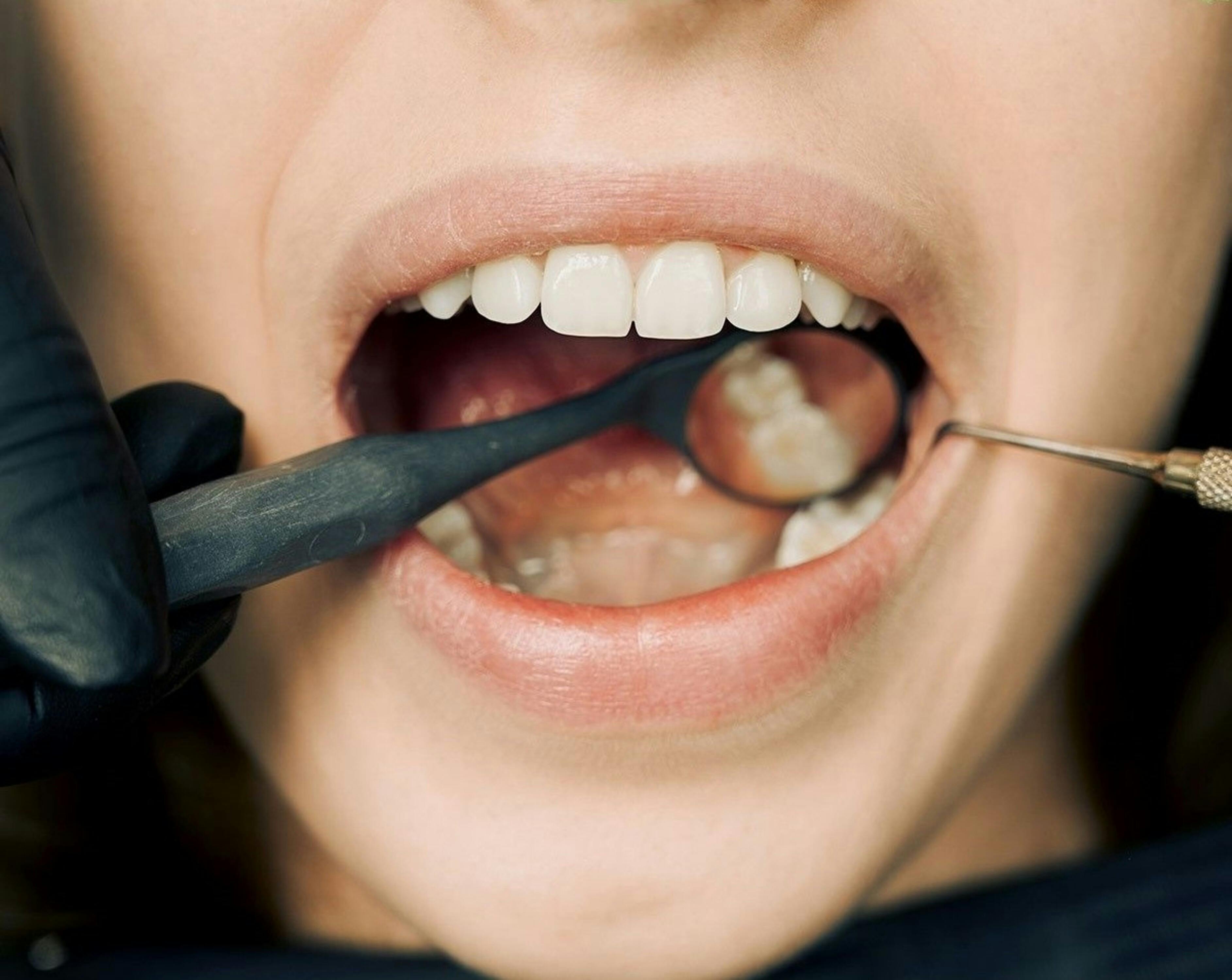
You brush your teeth to avoid cavities, maybe bad breath but a heart attack? That probably doesn’t cross your mind. Yet mounting research says it should.
Roughly one in five U.S. adults has untreated tooth decay. And according to large-scale studies, those decaying teeth might do more than cost you a filling they could set off a chain reaction that ends in a heart attack or stroke.
What’s happening in your mouth doesn’t stay there. Harmful bacteria from dental infections can travel through the bloodstream, triggering chronic inflammation a well-known driver of cardiovascular disease, the world’s leading cause of death.
If that sounds extreme, consider this: oral pathogens have been found embedded in arterial plaque and even heart valves. The science is no longer speculative. The connection is real and preventable.
Let’s break down exactly how a cavity can become a cardiovascular risk, why this link still flies under the radar, and what you can do right now to protect both your teeth and your heart.
How a Cavity Becomes a Cardiovascular Threat
A cavity might seem like a localized issue just a hole in your tooth but it doesn’t stop there. When left untreated, it can kick off a biological chain reaction that reaches far beyond the mouth and into the circulatory system. Here’s how it works:
Step 1: Bacterial Invasion
Cavities form when bacteria like Streptococcus mutans feed on sugars and release acid that eats through the tooth enamel. If not addressed early, the infection penetrates deeper into the dentin and pulp. Eventually, the bacteria break past the tooth and gums, entering the bloodstream.
Step 2: Systemic Inflammation
Once in the bloodstream, these bacteria prompt the immune system to respond. That response includes the release of inflammatory markers such as C-reactive protein (CRP) and interleukins. These are the same molecules linked to chronic inflammation in heart disease. Over time, this persistent inflammation causes damage to blood vessel walls.

Step 3: Blood Vessel Damage
The inner lining of your blood vessels called the endothelium plays a critical role in keeping your arteries flexible and functioning. When that lining is damaged by long-term inflammation, it sets the stage for plaque to accumulate.
Step 4: Plaque Formation and Rupture
Inflammation attracts cholesterol and other fats, which begin to deposit inside the arterial walls. These deposits eventually form plaques. Some of these plaques remain stable, but others can rupture, triggering the formation of a clot. If the clot blocks blood flow to the heart or brain, the result is a heart attack or stroke.
Step 5: Direct Bacterial Evidence
Several studies have found oral bacteria including Porphyromonas gingivalis (linked to gum disease) and Streptococcus mutans in samples taken from heart valves and atherosclerotic plaques. This isn’t theory. It’s physical proof that the same microbes responsible for cavities and gum infections are present in cardiovascular disease.
The connection between oral health and heart disease is biological, not anecdotal. It’s not just about having a healthy smile what happens in your mouth has the potential to damage your arteries, disrupt your blood flow, and affect the health of your entire cardiovascular system.
What the Research Actually Says

The idea that cavities could influence heart health might sound far-fetched until you look at the data. Multiple large-scale studies have now confirmed a measurable, statistically significant connection between poor oral health and serious cardiovascular events like stroke, heart attack, and even early death.
A 2023 scoping review analyzing 24 studies found that both dental infections and chronic oral inflammation were associated with a higher risk of cardiovascular disease (CVD). The mechanism: systemic inflammation caused by oral bacteria, which damages blood vessels and accelerates atherosclerosis.
The Atherosclerosis Risk in Communities (ARIC) study offers some of the strongest evidence. In a cohort of over 6,300 adults followed for more than 20 years, researchers found that people with dental caries had:
- 40% higher risk of ischemic stroke
- 13% higher risk of all-cause mortality
- And a significant association with coronary heart disease after accounting for competing health risks like death
This wasn’t based on anecdotal data or a small sample. It was a long-term, community-based cohort with rigorous tracking of cardiovascular outcomes. The link between cavities and stroke remained strong even after controlling for factors like smoking, diabetes, BMI, and socioeconomic status.
While cavities alone pose a threat, the risks are even more pronounced when periodontal disease is present. People with gum disease have been shown to have two to three times the risk of heart attack or stroke compared to those with healthy gums. Inflammation from infected gums doesn’t just stay local it spreads through the bloodstream and can lead to conditions like endocarditis (infection of the heart lining).
One 2019 study concluded that oral infections in childhood may predict cardiovascular problems decades later. Children with untreated decay and gum inflammation were more likely to have arterial thickening and early signs of atherosclerosis as adults.
The data also show racial disparities. In the ARIC study, Black participants with dental caries had nearly three times the risk of ischemic stroke compared to their white counterparts. These disparities reflect broader issues in access to dental care, education, and income all of which directly affect oral health outcomes.
Why This Connection Is Still Overlooked
Despite solid evidence connecting dental disease to heart disease, the idea that a cavity can lead to a stroke or heart attack still surprises most people. That disconnect exists for a few key reasons none of them medical, and all of them systemic.
First, the healthcare system separates the mouth from the rest of the body. Dentistry and medicine operate in silos. Your doctor rarely asks about your teeth, and your dentist probably doesn’t screen for cardiovascular risk. That gap in care coordination means no one’s looking at the full picture even though the same patient might be at risk for both heart disease and untreated decay.
Second, the timeline of disease progression is long. A cavity today might not lead to a heart attack for years. This delay makes it hard for patients and even some providers to draw a clear connection between oral infections and cardiovascular outcomes. By the time someone is treated for heart disease, the root cause may never be traced back to oral bacteria.
Third, public awareness is minimal. Most people associate brushing and flossing with preventing cavities, not strokes. There’s little education around the role of inflammation and how oral bacteria can trigger systemic health problems. Even fewer know that chronic gum disease and tooth decay are linked to increased risk of conditions like atrial fibrillation, endocarditis, and even all-cause mortality.
Fourth, insurance coverage or the lack of it makes preventive dental care harder to access, especially for older adults. Traditional Medicare doesn’t cover routine dental services. This leaves millions of seniors without affordable options, despite the fact that more than 42% of Medicare beneficiaries have at least one heart condition. Research shows that adding dental benefits could save the U.S. health system up to $27.8 billion a year in heart disease-related costs alone. Yet, legislative attempts to integrate dental coverage into Medicare have stalled repeatedly.
The disconnect isn’t due to lack of evidence. It’s due to lack of communication, coordination, and prioritization. Until oral health is treated as essential to overall health by both providers and policymakers the consequences will continue to be quietly fatal.
How to Protect Both Your Teeth and Your Heart

The good news: you don’t need a medical degree or a massive lifestyle overhaul to protect your mouth and your heart at the same time. A few consistent habits, some practical adjustments, and smarter healthcare decisions can make a measurable difference.
Brush and Floss Consistently and Correctly
Yes, this sounds basic. But it’s foundational. Brush twice a day for two full minutes using fluoride toothpaste. Floss once daily to remove plaque and food particles from areas your toothbrush can’t reach. It’s not just about avoiding cavities it’s about limiting the bacteria that can enter your bloodstream and trigger inflammation elsewhere.
Schedule Regular Dental Visits
Cavities and gum disease often go unnoticed until they’re advanced. Seeing a dentist twice a year helps catch issues before they become serious. Professional cleanings reduce plaque and bacteria that daily brushing can’t eliminate. Research shows that regular dental care can reduce stroke risk by 23% compared to episodic dental care.
Eat for Oral and Heart Health
A diet high in added sugars feeds the bacteria that cause tooth decay and contributes to inflammation that fuels heart disease. Instead, focus on whole foods:
- Fiber-rich vegetables and fruits
- Fatty fish (rich in omega-3s)
- Nuts and seeds
- Water instead of sugary drinks
These choices support your immune system and lower systemic inflammation.

Use Mouthwash Wisely
Some antibacterial mouthwashes, such as those containing chlorhexidine, can reduce harmful bacteria short-term. But long-term daily use may disrupt your oral microbiome. Use under the guidance of a dental professional, especially if you’re managing active gum disease.
Manage Overlapping Risk Factors
Several known risk factors smoking, high blood pressure, diabetes, and obesity contribute to both poor oral health and cardiovascular disease. If you’re working to reduce your heart disease risk, don’t skip oral health as part of that equation.
Push for Integrated Care
If you’re seeing a cardiologist or primary care provider regularly, bring up your dental history. Likewise, mention heart disease or stroke risk to your dentist. This cross-communication helps both sides identify warning signs earlier. Medical-dental integration, though still rare, is gaining traction in some health systems and can lead to better, more holistic care.
Know the Signs of Trouble
Bleeding gums, persistent bad breath, receding gums, or loose teeth aren’t just dental problems they may signal active infection and inflammation. Don’t ignore these symptoms, even if they don’t cause pain.
Think Bigger Than Just Cavities
Most people don’t think of their toothbrush as a heart-health tool but the science says otherwise. The connection between dental disease and cardiovascular disease is real, well-documented, and preventable. What starts as an untreated cavity can progress into something far more dangerous: bacteria entering your bloodstream, setting off inflammation, and ultimately damaging your arteries.
This isn’t rare, and it’s not hypothetical. Large-scale studies show that untreated dental caries significantly raise the risk of stroke, heart attack, and even early death. The risk compounds for people with limited access to dental care especially older adults and underserved communities.
But the message here isn’t doom and gloom. It’s action. You don’t need fancy treatments or expensive interventions. Brushing, flossing, eating smart, and getting regular dental checkups are proven to reduce not only oral disease but also your risk for heart complications. These are small steps that carry enormous impact.
So next time you think about skipping that dental appointment or rushing through your brushing routine, remember: you’re not just protecting your teeth. You’re protecting your heart, your brain, and your life.
