
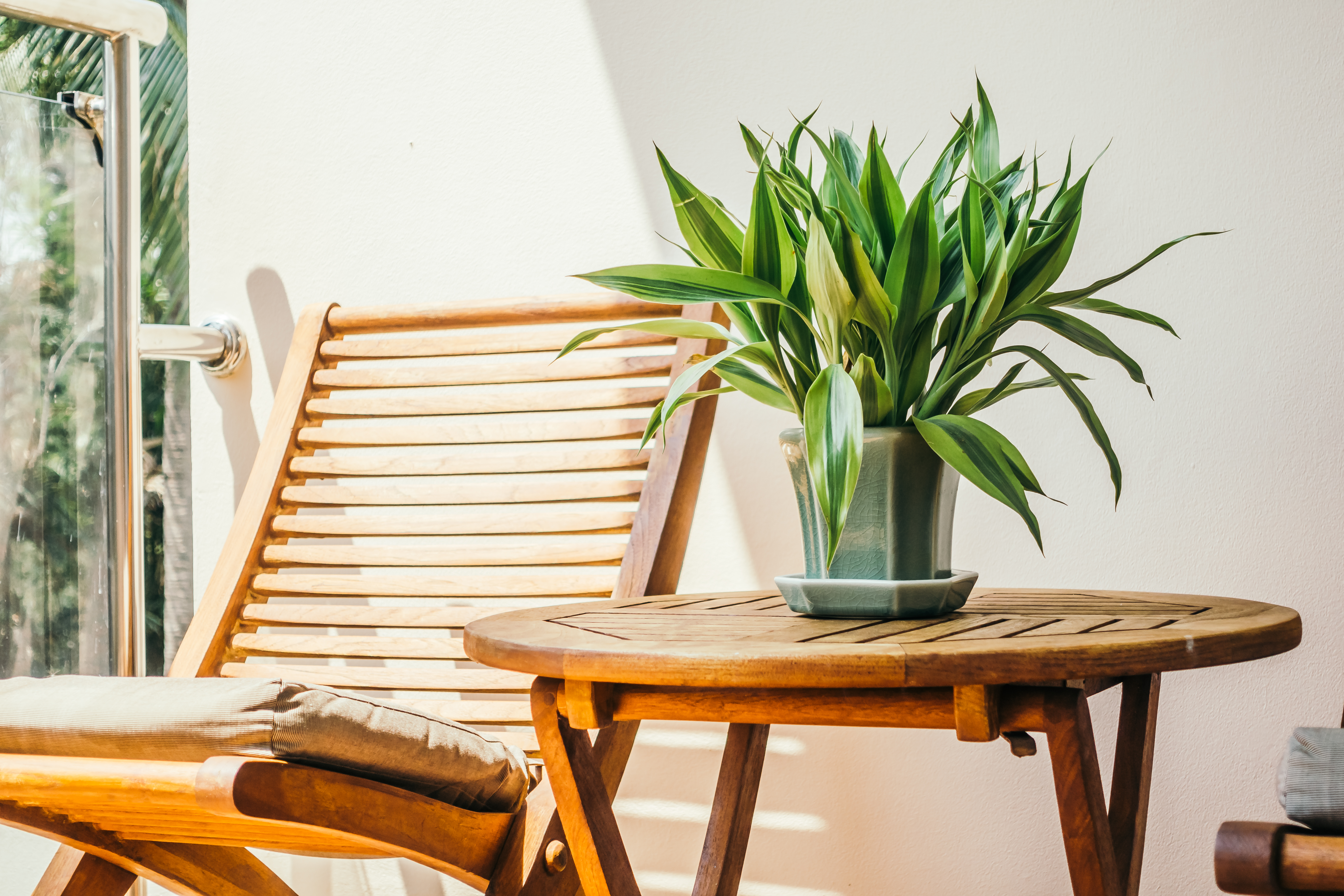
Many people add snake plants to their bedrooms, but few know the benefits of this choice. Good sleep remains essential for health, yet many struggle to achieve restful nights. Bedroom plants offer a natural solution to common sleep problems by improving air quality and creating a calming atmosphere. Snake plants are invaluable sleep aids, and several other plant varieties promote better rest.
Sleep problems affect millions worldwide, with consequences ranging from decreased productivity to serious health complications. Finding natural remedies becomes increasingly important as more people seek alternatives to medication. Plants provide an accessible, affordable option that adds beauty while serving functional purposes related to sleep quality.
Most people overlook how indoor air quality affects sleep. Poor air circulation and the presence of toxins can disrupt breathing patterns during sleep and cause respiratory irritation. Many bedroom plants actively filter these harmful compounds while releasing oxygen, creating an environment far more conducive to deep, restorative rest.
Your Bedroom’s Silent Air Purifier

The snake plant, also known as Sansevieria trifasciata. You might have seen its sleek, upright leaves gracing many homes, and for good reason. This isn’t just a stylish plant; it’s a powerhouse of air purification, working silently while you sleep to create a healthier environment.
One of the snake plant’s most impressive feats is its ability to snatch harmful toxins from the air. Consider common household pollutants like formaldehyde and xylene – these can sneak into your home from furniture, cleaning products, and even certain fabrics. Snake plants act like natural filters, absorbing these unwelcome guests and helping to keep your bedroom air cleaner. This is a big deal because breathing cleaner air can improve one’s night’s rest.
But here’s where the snake plant shines in a bedroom setting: it’s a nighttime oxygen producer. Most plants take in carbon dioxide and release oxygen during the day through photosynthesis. However, the snake plant does things a bit differently. It continues to release oxygen at night. This benefits your bedroom because you take in oxygen and release carbon dioxide as you sleep. Having a snake plant nearby helps to keep the oxygen levels up, potentially leading to more refreshing and undisturbed sleep. It’s like having a silent, green roommate working to improve your breathing all night!
In addition to its amazing air-cleaning abilities, the snake plant is incredibly low-maintenance. If you forget to water plants regularly, this one is quite forgiving. It can tolerate low light conditions and doesn’t need constant attention. This hardiness makes it a fantastic choice for anyone wanting to boost their bedroom’s air quality without adding extra chores to their routine. You can set it up and let it work its magic.
How Snake Plants Remove Toxins While You Sleep

Indoor air often contains pollutants that go unnoticed but can affect health over time. Common chemicals such as benzene, formaldehyde, and carbon monoxide are released from everyday household items like cleaning supplies, paints, carpets, and furniture. These pollutants can irritate the respiratory system, trigger allergies, and contribute to headaches and fatigue. Since we spend a large part of our day indoors—especially in bedrooms—reducing exposure to these toxins is important.
Research has shown that snake plants can help reduce these harmful substances in the air. A notable study by NASA identified snake plants as effective at absorbing certain volatile organic compounds (VOCs), including benzene and formaldehyde. The plant’s thick, waxy leaves and dense root system play a role in trapping and breaking down these toxins. This natural filtration helps improve overall air quality, which can support better respiratory health.
While snake plants won’t completely eliminate all indoor pollutants, they contribute to a cleaner environment when combined with good ventilation and other air quality measures. Their ability to release oxygen at night further enhances their value in indoor spaces like bedrooms. Cleaner air and increased oxygen levels can reduce irritation caused by dust, pollen, and pet dander, which is especially helpful for people with allergies or asthma.
Adding snake plants to your bedroom is a simple step that can have a positive impact on air quality. Their low-maintenance nature means they can thrive without much effort, continuously working to absorb toxins and improve the air you breathe while you rest. For those looking to create a healthier indoor environment, snake plants offer a practical and natural solution.
Caring for a Snake Plant in Your Bedroom

Snake plants are known for being low-maintenance, making them ideal for bedroom settings where busy schedules might limit plant care. One of the most important care tips is to avoid overwatering. Snake plants store water in their thick leaves and are prone to root rot if the soil stays wet for too long. Water the plant only when the soil feels completely dry to the touch, typically every two to six weeks depending on your home’s humidity and temperature.
Lighting is another key factor. Snake plants tolerate a wide range of light conditions, from low indirect light to bright, filtered sunlight. Bedrooms often have less natural light, but snake plants can still thrive in these conditions. Avoid placing the plant in direct, harsh sunlight for prolonged periods, as this can cause leaf damage.
When choosing a pot, use one with drainage holes to prevent water from pooling at the bottom. Well-draining soil is also important to avoid moisture buildup. Snake plants don’t require frequent repotting; they can remain in the same container for several years, which adds to their ease of care.
It’s important to note that snake plants contain compounds that are mildly toxic if ingested. Keep the plant out of reach of children and pets that might chew on the leaves. With these care tips, your snake plant can thrive in your bedroom, providing cleaner air and a touch of greenery without demanding much attention.
Types of Snake Plants Ideal for Bedroom Use

Several snake plant varieties fit well in bedroom settings thanks to their size, shape, and visual appeal. Selecting the right type allows you to maximize the plant’s benefits without taking up too much space or requiring extra care.
- Bird’s Nest Snake Plant (Sansevieria Hahnii): This variety stays compact, growing only up to about 6 inches tall. Its leaves form a tight rosette that resembles a bird’s nest, making it perfect for small bedside tables, shelves, or windowsills. Its size and shape allow it to add greenery without crowding the room.
- Laurentii Sansevieria: Known for its tall, upright leaves edged with bright yellow, this type can reach up to 3 feet in height. Despite its size, its slim profile fits neatly into corners or larger bedroom spaces. It’s a popular choice for those who want a bold statement plant that still works well indoors.
- Twisted Sister (Sansevieria trifasciata ‘Twist’): This variety stands out with its twisting, variegated green and gold leaves. Growing to around 15 inches tall, it offers a distinctive look while remaining compact enough for bedroom use. It adds a decorative touch alongside its air-purifying function.
- White Snake Plant (Sansevieria trifasciata ‘Bantel’s Sensation’): Featuring dark green leaves marked with striking white vertical stripes, this cultivar combines a strong visual presence with moderate height. It typically reaches about 2 feet tall, making it a versatile option for bedroom corners or plant stands.
All these types share the low-maintenance nature and air-cleaning qualities that make snake plants valuable bedroom companions. Choosing a variety that fits your space and style helps ensure you get the most benefit from this easy-care plant.
Best Plants to Pair with Your Snake Plant

While snake plants are popular bedroom choices, several other plants can also contribute to better sleep and improved air quality.
- Lavender: Widely known for its relaxing scent, lavender can help reduce anxiety and promote a calm atmosphere. Studies show that its aroma may slow the nervous system, making it easier to unwind and prepare for sleep. Having a lavender plant in your bedroom can create a soothing environment that supports restful nights.
- Aloe Vera: Similar to snake plants, aloe vera continues to release oxygen at night. This increases oxygen levels in your bedroom, which can help improve air quality and support better breathing while you sleep. Aloe vera is also easy to care for, making it a practical addition to your bedside table.
- English Ivy: For those prone to allergies, English ivy can be especially helpful. It has been shown to reduce airborne mold spores and other allergens, which often cause congestion and disrupt sleep. Adding this trailing vine to your bedroom can help clear the air and reduce allergy symptoms.
- Peace Lily: Peace lilies not only filter harmful toxins like benzene and formaldehyde but also increase humidity levels in dry environments. Higher humidity can relieve irritation in your throat and skin, creating a more comfortable sleeping space, particularly in colder months or dry climates.
- Spider Plant: Known for its resilience, the spider plant effectively removes common indoor pollutants such as formaldehyde and xylene. Its air-purifying qualities, combined with low maintenance needs, make it a reliable choice for improving bedroom air quality without extra effort.
Combining these plants with a snake plant can enhance your bedroom’s environment, promoting cleaner air and a more restful atmosphere for better sleep.
The Smart Bedroom Addition

Keeping a snake plant in your bedroom is more than just a design choice—it’s a practical step toward improving your indoor environment. Its unique ability to produce oxygen at night, combined with its capacity to filter out harmful pollutants, makes it especially suited for the space where you spend many hours resting. Alongside its low-maintenance care, the snake plant offers a natural way to support better air quality and potentially enhance sleep.
While snake plants provide clear benefits, pairing them with other helpful bedroom plants like lavender or aloe vera can further improve air quality and create a calming atmosphere. Remember to place your plants thoughtfully and take basic precautions, especially if you have pets or children, as snake plants contain mildly toxic compounds.
Adding a snake plant to your bedroom is a simple, affordable way to create a healthier and more relaxing space. If you’re looking for an easy way to support better sleep and cleaner air, this plant is a smart choice worth trying.
