
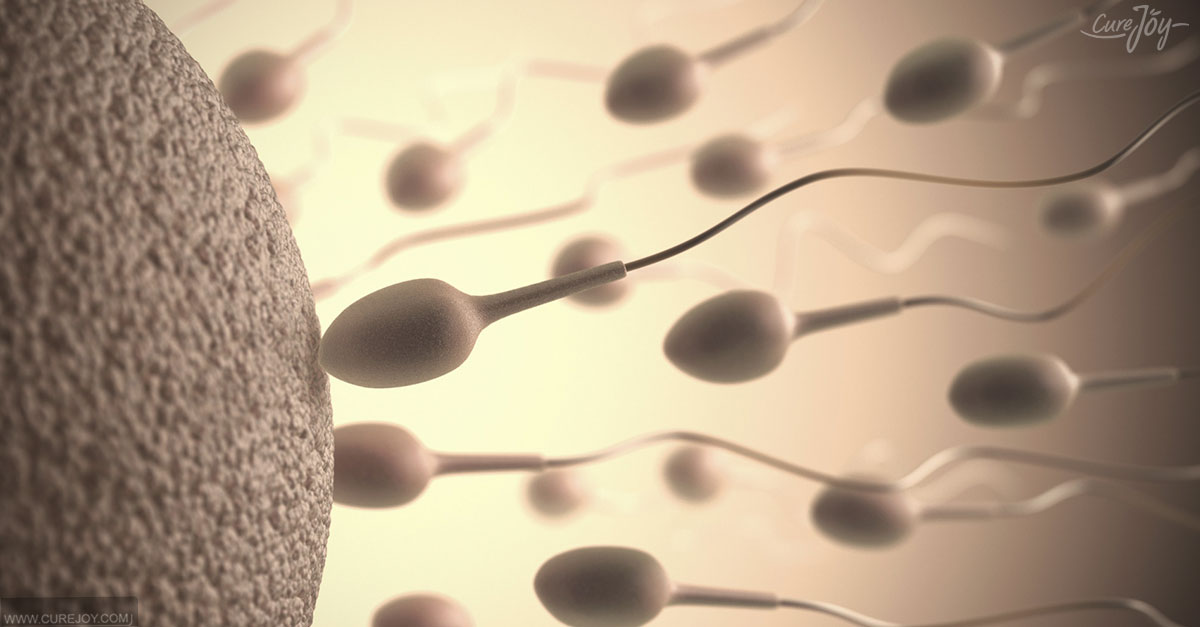
A new study has revealed that the stress a father experiences during childhood can leave lasting traces in his sperm cells, potentially impacting the development of his children. Published in Molecular Psychiatry, this research highlights the role of epigenetics—how environmental factors can influence gene expression without changing the DNA itself.
While much attention has been given to how a mother’s experiences shape her child, this study brings to light how a father’s past could influence the next generation. These findings challenge our understanding of family health and the long-term effects of trauma, showing that childhood stress might not only affect the individual but could also echo through generations.
What Is Epigenetics?
To understand how childhood stress might impact future generations, it’s important to first grasp the concept of epigenetics. Simply put, epigenetics refers to changes in gene expression that don’t involve altering the actual DNA sequence. Instead, these changes involve adding or removing chemical tags on DNA or RNA, which can turn certain genes on or off. Think of it as flipping a switch that controls how genes are read and expressed in the body.
These epigenetic changes can be triggered by various factors, such as the environment, lifestyle choices, or, in the case of this study, childhood stress. While the DNA sequence remains unchanged, these molecular shifts can still have significant effects on how genes function, which may impact everything from physical traits to brain development.
In the case of sperm cells, epigenetic changes can carry over to offspring. When a father experiences stress in his childhood, the molecular markers in his sperm may reflect those experiences. This suggests that the father’s life history, in a sense, can leave an imprint on the genetic instructions passed down to his children, shaping their development even before they are born.
The Study: How Childhood Stress Impacts the Epigenetics of Sperm Cells

The study at the heart of these findings, published in Molecular Psychiatry, focused on sperm samples from 58 men, mostly in their late 30s and early 40s. The researchers wanted to explore how childhood stress could affect the sperm’s epigenetic profile. To measure the level of stress, the participants were asked to reflect on their childhood experiences, particularly any trauma or distress they might have faced, such as emotional, physical, or sexual abuse.
The results were striking. Men who reported experiencing high levels of childhood stress showed noticeable differences in their sperm’s epigenetic markers compared to those who had lower stress scores. These changes were evident even after accounting for other factors that could affect sperm, like smoking or drinking, making it clear that the stress experienced in childhood played a role in shaping the men’s sperm at a molecular level.
Among the key findings were differences in DNA methylation patterns and changes in small noncoding RNAs—molecules that affect gene expression. In particular, the researchers identified altered methylation near genes that are crucial for early brain development, which could potentially influence the child’s cognitive function and mental health.
While this research is groundbreaking, it’s important to note that the study did not definitively show that these changes would be passed on to the offspring. Instead, it suggests that there might be a mechanism at play that links a father’s early stress to changes in his sperm, which could, in turn, affect the development of his children.
The Lasting Impact of a Father’s Stress on His Child’s Health

The research suggests that a father’s childhood stress might affect more than just his own well-being—it could have lasting effects on his children as well. Although the study doesn’t yet confirm that these changes in sperm are passed directly to offspring, it points to the possibility that a father’s early life experiences can influence his child’s health and development.
The key finding was changes in DNA methylation and small RNA molecules in the sperm, markers that affect how genes are expressed, particularly those related to brain development. These epigenetic changes could impact how a child’s brain develops, potentially influencing their mental health and cognitive abilities. While this is still being studied, it suggests that childhood stress can leave a deeper mark than we once thought, extending beyond the individual and into future generations.
If these findings hold true, it could mean that children born to fathers who experienced significant childhood stress may face a higher risk for mental health issues like anxiety or depression—even if they don’t experience the same trauma themselves. This underscores the importance of addressing trauma not just for the person affected but also for their families and future generations.
Practical Steps for Stress Management

Given the potential for stress to leave a lasting impact on health and future generations, it’s important for men to take practical steps to manage stress. Here are five effective strategies that can help reduce stress and improve overall well-being:
1. Regular physical activity
Exercise is a powerful stress reliever. Activities like jogging, swimming, or cycling not only improve physical health but also trigger the release of endorphins, the body’s natural mood boosters, which help to reduce anxiety and stress.
2. Mindfulness and meditation
Mindfulness practices such as meditation, yoga, and deep breathing exercises can help calm the mind and reduce stress. By focusing on the present moment, these techniques alleviate anxiety and promote mental clarity.
3. Adequate sleep
Quality sleep is essential for managing stress. Ensuring a consistent sleep schedule and creating a relaxing bedtime routine can improve sleep quality, reduce stress levels, and enhance emotional resilience.
4. Balanced diet
A healthy, balanced diet can help stabilize mood and manage stress. Including plenty of fruits, vegetables, whole grains, and lean proteins nourishes the body, supporting mental and emotional well-being.
5. Building a support network
Having strong social connections is crucial for managing stress. Sharing experiences with family, friends, or a support group can help reduce feelings of isolation and provide valuable emotional support.
By incorporating these strategies into daily life, men can take control of their stress levels, improving not only their own health but also their ability to positively impact the well-being of future generations. Stress management isn’t just about feeling better in the moment—it’s an investment in long-term health and family wellness.
The Far-reaching Impact of Stress on Future Generations
The link between a father’s childhood stress and its potential effects on his children is a groundbreaking area of research. While more studies are needed to fully understand the long-term effects of these epigenetic changes, the findings provide valuable insights into how trauma can affect not just the individual but future generations as well.
Adopting practical steps to manage stress—such as regular exercise, mindfulness practices, adequate sleep, a balanced diet, and building a support network—can significantly improve health and help break the cycle of trauma. By proactively reducing stress, fathers can promote better well-being for themselves and their children, fostering a healthier foundation for future generations.
As research continues to evolve, it becomes increasingly clear that managing stress is not only a personal responsibility but one that affects families and society as a whole. Understanding the connections between stress and its generational impact can help create stronger, healthier families and communities, where both physical and mental health flourish.
Sources:
- Tuulari, J. J., Bourgery, M., Iversen, J., Koefoed, T. G., Ahonen, A., Ahmedani, A., Kataja, E., Karlsson, L., Barrès, R., Karlsson, H., & Kotaja, N. (2025). Exposure to childhood maltreatment is associated with specific epigenetic patterns in sperm. Molecular Psychiatry. https://doi.org/10.1038/s41380-024-02872-3
- Tuulari, J. J., Bourgery, M., Iversen, J., Koefoed, T. G., Ahonen, A., Ahmedani, A., Kataja, E., Karlsson, L., Barrès, R., Karlsson, H., & Kotaja, N. (2025). Exposure to childhood maltreatment is associated with specific epigenetic patterns in sperm. Molecular Psychiatry. https://doi.org/10.1038/s41380-024-02872-3
