
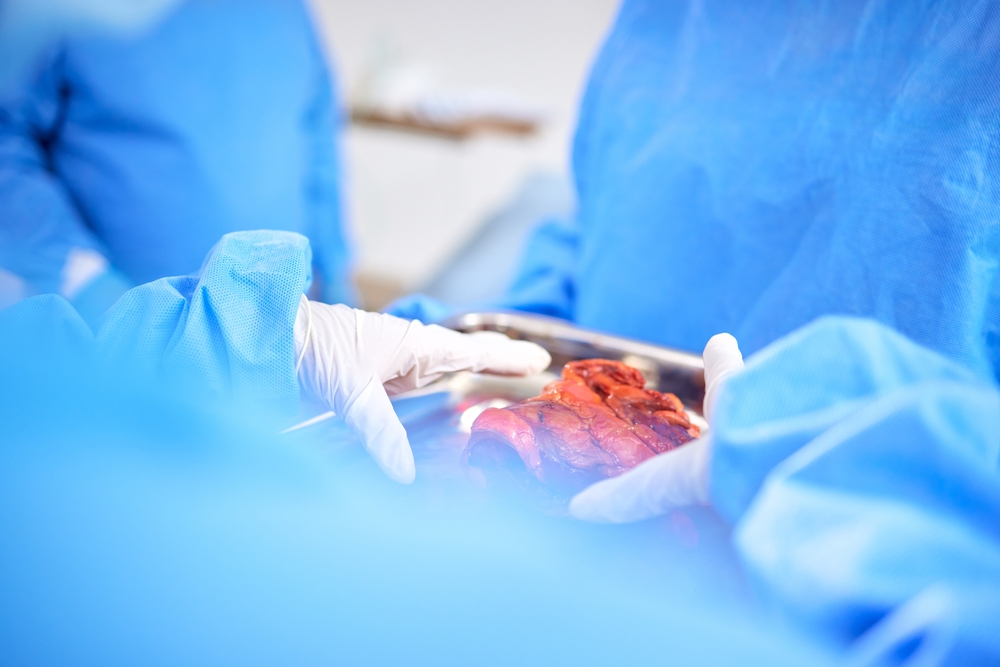
Imagine receiving a gift meant to save your life, only to discover it carried a hidden danger capable of ending it. This unsettling reality unfolded for an Arizona man who underwent a liver transplant, unknowingly receiving an organ from a donor harboring undetected lung cancer. While organ transplantation is a remarkable medical achievement that offers hope and a second chance at life, this rare and extraordinary case highlights the delicate balance between life-saving innovation and unforeseen risks.
Cancer transmission through organ donation is almost unheard of—statistically occurring in less than 0.02% of cases. Yet, when it does happen, the implications ripple through the medical field, raising questions about donor screening protocols, ethical considerations, and the unpredictability of hidden diseases. How could such a rare event slip through rigorous medical checks? And what does this mean for the future of organ transplantation?

The Timeline of the Case
The Arizona man’s journey toward a second chance at life began with a liver transplant, a procedure filled with hope and the promise of renewal. The donor, a young woman in her 30s, had passed away suddenly, with her cause of death attributed to brain swelling. While her organs were deemed suitable for transplantation, an undiagnosed condition was lurking beneath the surface. The donor had advanced lung cancer that went undetected during the rigorous medical evaluations typically conducted before organ donation. This silent threat, hidden within the donor’s body, would set in motion a series of tragic events.
Following the transplant, the recipient initially showed promising signs of recovery. For several months, his life appeared to be on an upward trajectory, a testament to the life-saving potential of organ transplantation. However, his health began to deteriorate over time, with unusual symptoms raising concerns among his medical team. The diagnosis that followed was both unexpected and devastating: the patient had developed metastatic cancer. Genetic testing revealed the unthinkable—the cancer originated from the donor’s lungs, a rare but documented phenomenon in the field of organ transplantation.
Despite the medical community’s best efforts, including aggressive treatments and interventions, the cancer was relentless. The recipient succumbed to the disease, marking the end of a heartbreaking ordeal. This extraordinary case sheds light on the complexities and risks associated with organ transplantation. It highlights the profound impact of rare events like undetected donor illnesses, which, though statistically uncommon, underscore the critical need for continued advancements in donor screening and post-transplant care. For the Arizona man and his family, the gift of life became a battle against an unforeseen adversary, a story that resonates deeply within the medical community and beyond.
How Cancer Can Be Transmitted Through Organ Transplants
The concept of cancer being transmitted through an organ transplant may seem improbable, but it is a rare and scientifically documented phenomenon. When an organ is transplanted, the recipient also receives living cells from the donor’s body. If the donor unknowingly harbored cancerous cells within the organ, those cells can be transferred to the recipient during the procedure. In this case, the donor’s lung cancer cells were embedded within the liver, remaining undetected during the organ screening process.
Such cases are exceedingly rare, with estimates suggesting that cancer is transmitted in only 0.02% of all transplants. This rarity can be attributed to the extensive screening protocols in place to evaluate the suitability of organs. Donors undergo rigorous testing, including imaging scans, bloodwork, and reviews of medical histories. However, there are limitations to these screenings. Certain cancers, especially those that are asymptomatic or in their early stages, can escape detection. In the donor’s case, her lung cancer was advanced but atypically presented, making it harder to identify during routine examinations.
Once cancerous cells are transplanted, they face fewer defenses in the recipient’s body due to immunosuppressive drugs. These drugs, essential for preventing organ rejection, suppress the immune system, creating an environment where malignant cells can grow unchecked. The Arizona man’s case illustrates the devastating consequences of this interplay. His immune system, weakened to accommodate the new liver, could not mount a defense against the cancer cells that had been introduced. This rare transmission emphasizes the need for continuous innovation in donor screening technology to further minimize such risks and protect recipients from hidden threats.

creening and Detection Protocols for Organ Donation
Organ donation involves a rigorous screening process designed to ensure that only healthy organs are transplanted, minimizing risks to recipients. Donors typically undergo extensive evaluations, including blood tests, imaging scans, and thorough medical history reviews, to detect any potential diseases or abnormalities. Despite these measures, certain conditions, such as undiagnosed cancers, can evade detection, as seen in the tragic case of the Arizona man.
Cancer screening for organ donors presents unique challenges. For example, imaging scans might miss small or atypical tumors, particularly in donors who show no symptoms of illness. Similarly, some cancers, such as lung adenocarcinomas, can remain dormant or grow in locations that are less visible during routine evaluations. In the donor’s case, her advanced lung cancer had not been diagnosed prior to her death, and it went unnoticed during the organ screening process. This allowed the cancerous cells to be transplanted along with the liver, ultimately leading to the recipient’s diagnosis of metastatic cancer.
The limitations of current screening methods highlight the need for advancements in detection technologies. Emerging tools like advanced genetic testing, liquid biopsies, and enhanced imaging techniques hold promise for identifying hidden conditions in donors. These innovations could help bridge the gaps in existing protocols, offering greater assurance of safety for transplant recipients. While cases of cancer transmission remain rare, this incident underscores the importance of ongoing improvements in donor screening to reduce such risks and ensure the life-sving promise of organ transplantation remains as safe as possible.
Medical and Ethical Implications
The Arizona case raises profound medical and ethical questions about the complexities of organ transplantation. On the medical front, it underscores the inherent risks involved, even with the rigorous protocols in place. Transplantation is a delicate balance between saving lives and managing potential complications, and while cases like this are exceedingly rare, they expose vulnerabilities in the current system that require attention.
One significant ethical dilemma revolves around the responsibility of ensuring donor organs are safe for recipients. Transplant teams work tirelessly to assess organs thoroughly, but undetected conditions, like the lung cancer in this case, reveal the limits of what technology and medical evaluations can achieve. There is also an ethical question of informed consent—should potential recipients be warned about rare risks, like cancer transmission, even if the likelihood is minuscule? This balance between transparency and not creating unnecessary fear is a complex issue for medical professionals to navigate.
Furthermore, this case has implications for public perception of organ donation. While organ transplants save countless lives, stories like this can instill hesitation in potential donors and recipients. It is essential to maintain public trust by addressing these concerns transparently and committing to continuous advancements in donor screening. For the Arizona man’s family and others impacted by rare transplantation risks, these ethical considerations become deeply personal, reminding the medical community of the human stories behind every transplant. This tragedy serves as both a cautionary tale and a call to action for further research, innovation, and ethical reflection in the field of organ transplantation.
Lessons for Medical Science
The case of the Arizona man has profound implications for medical science, particularly in the field of organ transplantation. While it highlights the life-saving potential of this medical achievement, it also underscores the need for continual advancements in screening and monitoring protocols to prevent similar tragedies in the future. Each case like this serves as a stark reminder of the delicate balance between innovation and the unpredictable nature of biological systems.
One key takeaway from this case is the importance of enhancing donor screening technologies. Current methods, though rigorous, have limitations that can allow rare conditions, such as undiagnosed cancers, to escape detection. Advanced genetic testing and liquid biopsies—innovative tools capable of detecting hidden cancers or other anomalies in a donor’s biological makeup—could become integral in minimizing risks. Expanding the use of these technologies, however, requires significant investment and widespread implementation, which poses logistical and financial challenges.
Another critical lesson is the need for improved post-transplant monitoring. While routine follow-ups are standard practice, developing more robust protocols for early detection of complications, such as malignancies, could make a significant difference in patient outcomes. This includes integrating genetic testing into recipient care to identify and address donor-related issues before they progress.
Lastly, this case serves as a catalyst for ongoing research into the interactions between donor and recipient biology. Understanding how immunosuppressive drugs, essential for preventing organ rejection, may inadvertently facilitate the growth of transplanted cancer cells is crucial. These insights could lead to the development of tailored treatments that strike a balance between preventing rejection and maintaining the recipient’s natural defense mechanisms.
Organ Donation: A Balanced Perspective
Organ transplantation is a medical triumph that saves countless lives each year, offering hope to patients with otherwise incurable conditions. However, rare cases like the Arizona man’s tragedy highlight the complexities and risks that accompany this life-saving procedure. While such incidents are extremely uncommon, they prompt critical discussions about how to balance the promise of organ donation with the safety of recipients.
Statistics show that organ transplants have a remarkably high success rate, with only a minuscule fraction of cases involving complications such as disease transmission. Yet, even this small risk underscores the importance of informed consent. Potential recipients must be made aware of the inherent risks, no matter how rare, to help them make decisions that align with their personal values and health priorities. Similarly, fostering public awareness about the rigorous protocols in place can help mitigate fears and encourage continued support for organ donation.
It is also vital to reassure the public that organ donation remains overwhelmingly safe and necessary. Innovations in technology, such as improved screening and monitoring, are constantly evolving to address the challenges posed by rare events like this one. For every rare instance of transmission, there are thousands of success stories—patients who regain their health and lead fulfilling lives thanks to the generosity of donors.
By focusing on transparency, education, and the continued improvement of medical practices, the organ transplantation community can maintain public trust and support. Cases like the Arizona man’s, while tragic, serve as opportunities to strengthen the system, honoring both donors and recipients while reinforcing the life-saving legacy of organ donation.
Sources:
- Transmission of cancer from organ donors. (1997). PubMed. https://pubmed.ncbi.nlm.nih.gov/9869872/
- Benefits and risks of a liver transplant. (n.d.). Organ Transplantation – NHS Blood and Transplant. https://www.nhsbt.nhs.uk/organ-transplantation/liver/benefits-and-risks-of-a-liver-transplant/
