
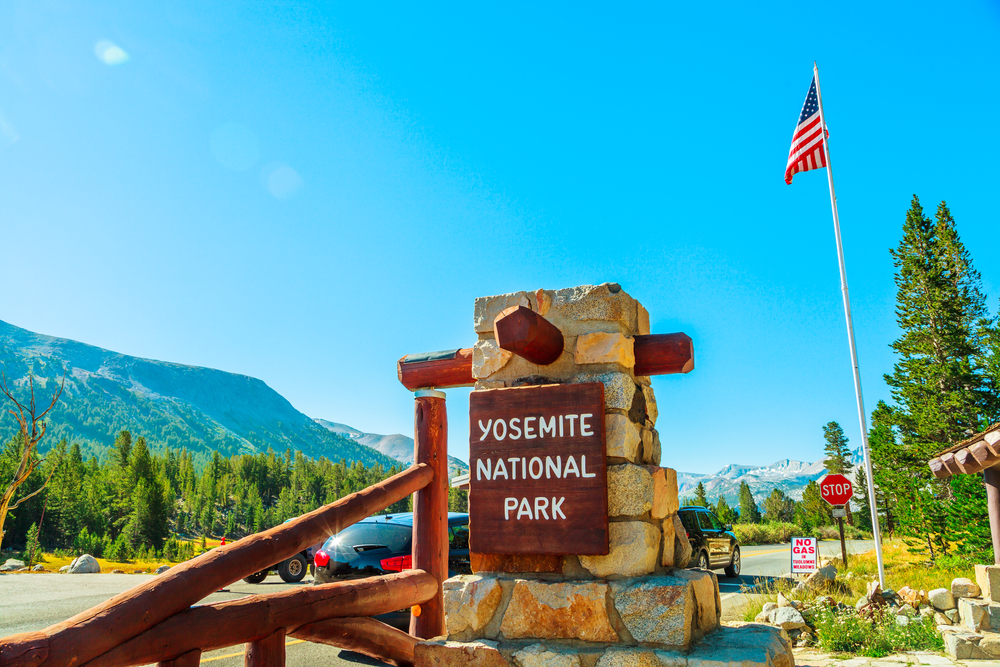
Visitors at Yosemite National Park recently witnessed something unexpected—an upside-down American flag hanging from the towering face of El Capitan. The sight, unusual and symbolic, left many wondering: what was the message behind this act?
For many, Yosemite is a place of awe-inspiring beauty, home to towering granite cliffs, ancient sequoias, and one of the most famous natural spectacles—the firefall at Horsetail Fall. But this year, alongside the breathtaking views, a different kind of statement was made.
Flying the American flag upside down is a recognized distress signal, traditionally used to indicate extreme danger. At Yosemite, its appearance wasn’t random. It was part of a growing outcry—one that speaks to deep concerns about the future of America’s public lands.
What Led to the Upside-Down Flag Protest?
The display of an upside-down American flag at Yosemite was not an isolated act of defiance, but a direct response to recent federal workforce cuts that have hit national parks across the country. These terminations, which affected hundreds of National Park Service employees, have sparked fears about the long-term sustainability of public lands.
For many park workers, the sudden job cuts were more than just a loss of employment—they represented a shift in priorities that could compromise the integrity of national parks. Maintenance crews, wildlife researchers, and rangers play a crucial role in preserving these landscapes, ensuring both environmental conservation and a positive visitor experience. Without adequate staffing, everything from trail upkeep to waste management and wildlife monitoring is at risk.
Some former employees worry that these cutbacks are a step toward privatization, opening public lands to commercial interests such as resource extraction. The fear is that national parks, once protected for the public, could be repurposed for economic gain at the expense of conservation. The upside-down flag was meant to send a message: America’s parks are in distress, and without action, their future may be uncertain.
How the Protest Took Place

The protest unfolded in a way that ensured maximum visibility. On February 22, as crowds gathered at Yosemite to witness the annual firefall—a natural spectacle that draws visitors from around the world—employees and former staff members took action. They carefully unfurled the upside-down American flag from the summit of El Capitan, one of the park’s most iconic landmarks.
Positioning the flag near Horsetail Fall, where thousands of nature enthusiasts and photographers had gathered, was no coincidence. The protest was designed to spark conversation and make people take notice of the growing concerns over national park management. For many onlookers, the message was clear: something was deeply wrong, and those closest to the park were sounding the alarm.
Reactions were mixed. Some visitors viewed the flag as a powerful statement about the urgency of the situation, while others found it controversial, questioning whether a national symbol should be used in such a way. But for the employees involved, the decision was not taken lightly. For them, it was not just about their jobs—it was about protecting Yosemite and national parks across the country from potential degradation.
Responses from Officials and the Public

The upside-down flag quickly caught the attention of park visitors, social media users, and government officials. While some saw it as a bold and necessary statement, others viewed it as an inappropriate use of a national symbol. The National Park Service (NPS) responded swiftly, removing the flag and issuing a statement condemning the act.
Elizabeth Peace, a spokesperson for the Interior Department, called the display “unacceptable,” emphasizing that national symbols should be treated with respect. Park officials reiterated that while protests and demonstrations have their place, actions that violate park regulations would not be tolerated.
However, for the employees and activists behind the protest, the reaction from officials only reinforced their concerns. Many believe the government’s focus should be on addressing the deepening crisis within the National Park Service rather than silencing those who speak out. Supporters of the protest, including environmental advocacy groups and former rangers, argue that the distress signal was warranted given the scale of the job cuts and the potential threats to public lands.
Public opinion remains divided. While some visitors expressed frustration that the flag temporarily disrupted their view of the firefall, others saw it as a reminder of the larger issues facing national parks. Online discussions and news coverage have amplified the debate, drawing attention to the broader implications of federal policies on conservation and land management.
What’s at Stake for America’s Public Lands?

The protest at Yosemite is part of a larger conversation about the future of America’s national parks and the policies shaping them. The recent job cuts, which affected around 1,000 National Park Service employees, have raised serious concerns about how these protected lands will be managed moving forward.
One of the biggest fears among conservationists and former park workers is the potential for privatization. Policy changes at the federal level have signaled an interest in opening up public lands to commercial interests, including resource extraction like oil drilling and mining. Interior Secretary Doug Burgum has already ordered a review of federal land use, with some national monuments and protected areas potentially facing boundary reductions or reclassification to allow for development.
Environmental advocates warn that downsizing staff and shifting priorities away from conservation could have lasting consequences. National parks are not just tourist destinations—they play a crucial role in preserving ecosystems, protecting endangered species, and serving as natural carbon sinks that help mitigate climate change. Without proper management, the delicate balance of these landscapes could be disrupted, affecting both wildlife and future generations of visitors.
For many, the upside-down flag at Yosemite was more than a protest—it was a warning. The question now is whether this warning will lead to action or if the challenges facing America’s public lands will continue to grow unchecked.
A Call to Protect What Belongs to Everyone
The upside-down flag at Yosemite was more than a protest—it was a wake-up call. For the employees who hung it, it symbolized more than just job losses; it was a plea to recognize the growing threats to national parks. These lands are not just scenic destinations but vital ecosystems that require proper stewardship. Without adequate funding and staff, their preservation is at risk.
Whether this moment leads to real change depends on the response from both the public and policymakers. National parks have long been a symbol of America’s commitment to conservation, but decisions made today will determine whether they remain protected or become vulnerable to neglect and privatization. Those who care about these landscapes must remain vigilant, holding leaders accountable and advocating for policies that prioritize preservation over short-term economic interests.
Yosemite and other national parks belong to everyone, but their future is uncertain. The responsibility to protect them does not fall on park employees alone—it belongs to all who cherish these spaces. The message of distress has been sent. The question now is: will anyone answer?
