
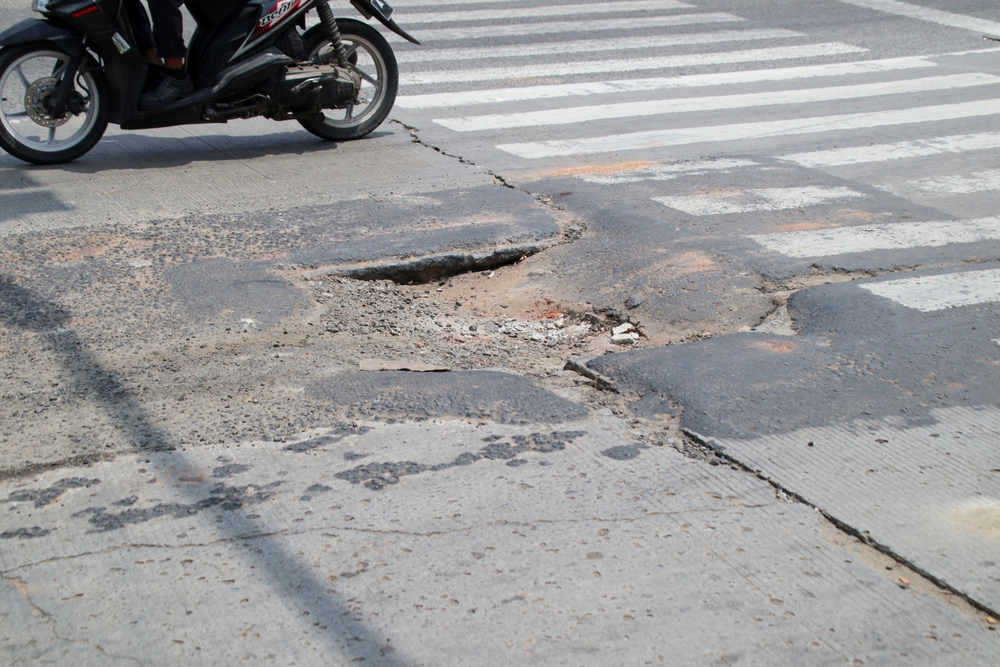
Mumbai’s roads tell stories—of bustling city life, relentless monsoons, and unfortunately, the dangers lurking beneath the wheels of millions. Among these hazards, potholes remain one of the most overlooked yet life-threatening risks, claiming countless lives every year. But where most see an unfortunate reality of urban life, one man saw a call to action.
Dadarao Bilhore was an ordinary vegetable vendor until tragedy struck in 2015. His 16-year-old son, Prakash, was killed in a preventable accident caused by an unmarked pothole on a rain-soaked Mumbai road. The loss shattered his world, but instead of succumbing to grief, he chose to fight back—not with protests or petitions, but with his own hands and a shovel.
What started as a personal mission to honor his son has grown into a movement that has inspired a city. Known as “Pothole Dada,” Dadarao has filled hundreds of potholes across Mumbai, turning his pain into purpose. His story is not just about fixing roads; it’s about resilience, civic responsibility, and the extraordinary power of a single individual to ignite change.
Repairing Mumbai’s Potholes to Prevent Another Tragedy
The day that changed Dadarao Bilhore’s life forever was a monsoon-drenched afternoon in July 2015. His 16-year-old son, Prakash, was riding pillion on a motorcycle, navigating Mumbai’s rain-slicked roads. Like many city streets during the monsoon season, the road was riddled with hidden potholes—some deep enough to send an unsuspecting rider into a deadly crash.
Without warning, the bike struck a water-filled pothole, causing the rider to lose control. The driver, wearing a helmet, survived with minor injuries. Prakash, who wasn’t wearing one, was thrown from the bike, suffering a traumatic brain injury. The accident proved fatal, leaving his family devastated and struggling to comprehend a loss that could have been prevented.
For Dadarao, grief soon gave way to anger—not at fate, but at a system that allowed dangerous roads to remain in disrepair. He refused to accept his son’s death as just another statistic. If Mumbai’s roads wouldn’t be fixed by those in power, he would do it himself.
But Prakash’s story was far from unique. According to a report by the Ministry of Road Transport and Highways, pothole-related accidents claimed over 3,500 lives in India in 2017 alone. The numbers have fluctuated since then, but the underlying problem persists: poor road maintenance and delayed infrastructure repairs continue to pose a deadly threat to commuters.
Determined to ensure that no other family would suffer the same heartbreak, Dadarao picked up a shovel and filled his first pothole. What started as an act of mourning soon became a relentless mission to make Mumbai’s streets safer, one pothole at a time.
From Grief to Grassroots Action

The first pothole Dadarao Bilhore filled wasn’t just a crack in the road—it was a crack in the system that had failed his son. Standing outside his vegetable shop, he spotted a deep, water-filled crater just like the one that had caused Prakash’s fatal accident. With no official repair in sight, he grabbed a shovel, gathered debris from nearby construction sites, and filled it himself.
That single act of defiance turned into a mission. Using whatever materials he could find—sand, gravel, broken paver blocks—Dadarao began repairing Mumbai’s potholes one by one. Without formal training, government support, or expensive equipment, he worked with his bare hands, determined to prevent another tragedy like Prakash’s.
But it wasn’t just about fixing roads. Every pothole he filled was an act of remembrance, a way to channel his grief into something tangible. Instead of being consumed by anger, he chose action. Instead of waiting for authorities to intervene, he became the change himself.
His work didn’t go unnoticed. At first, passersby watched curiously, some offering a word of encouragement, others questioning why a lone man was doing a job meant for the city’s municipal authorities. But as the weeks turned into months, his dedication sparked something deeper—awareness.
People started paying attention to the problem they had long ignored. Mumbai’s potholes weren’t just an inconvenience; they were a deadly hazard. And if one man could take a stand, what could an entire city accomplish?
From One Man’s Mission to a Citywide Movement

What began as a solitary mission soon turned into a movement. As Dadarao Bilhore continued his work, people started taking notice—not just out of curiosity, but out of admiration for his relentless dedication. Strangers who once walked past him without a second glance began stopping to help, bringing bags of gravel, lending a hand with shovels, or simply offering words of encouragement.
The power of social media played a crucial role in amplifying his story. Videos and images of him filling potholes spread across platforms, earning him the nickname “Pothole Dada”—a title of respect from the very people he was trying to protect. His work became symbolic of grassroots activism, proving that civic responsibility doesn’t always start with government intervention—it starts with individuals who refuse to look away.
Soon, volunteers from across Mumbai joined his cause. A WhatsApp group named “Pothole Killers” was created, allowing residents to report dangerous potholes in real-time. What started as a grieving father’s tribute to his son had now turned into a city-wide effort to save lives.
But awareness alone wasn’t enough. Dadarao knew that real change required holding authorities accountable. With growing media coverage highlighting Mumbai’s road safety crisis, pressure mounted on local governments to address the issue. Municipal officials, once dismissive of citizen-led initiatives, found themselves facing public scrutiny.
While some potholes were finally repaired by authorities, many remained untouched. Dadarao refused to wait. For him, every day spent waiting for bureaucracy was another day that could claim another life.
A Road Paved with Heart
As Dadarao Bilhore continues to mend Mumbai’s roads, his story stands as a powerful testament to how personal resilience can drive collective action. What began as a grieving father’s solitary effort has grown into a movement that challenges both citizens and authorities to take responsibility for public safety. With each pothole he fills, he not only honors his son’s memory but also sparks a crucial dialogue about accountability and civic engagement.
His journey underscores the impact of determined individuals in the face of systemic shortcomings. True change doesn’t always start with institutions—it begins with those who refuse to accept the status quo. Whether in road safety or broader societal issues, Dadarao’s mission reminds us that even the smallest actions can create ripples of change, shaping a more conscious and responsible community.
Each pothole he repairs brings Mumbai a step closer to safer streets, but his legacy extends far beyond road repair. His work is a testament to the power of healing through action, proving that love, when transformed into purpose, can build something lasting. In the end, his story isn’t just about filling potholes—it’s about paving a path toward a more engaged, compassionate society.
