
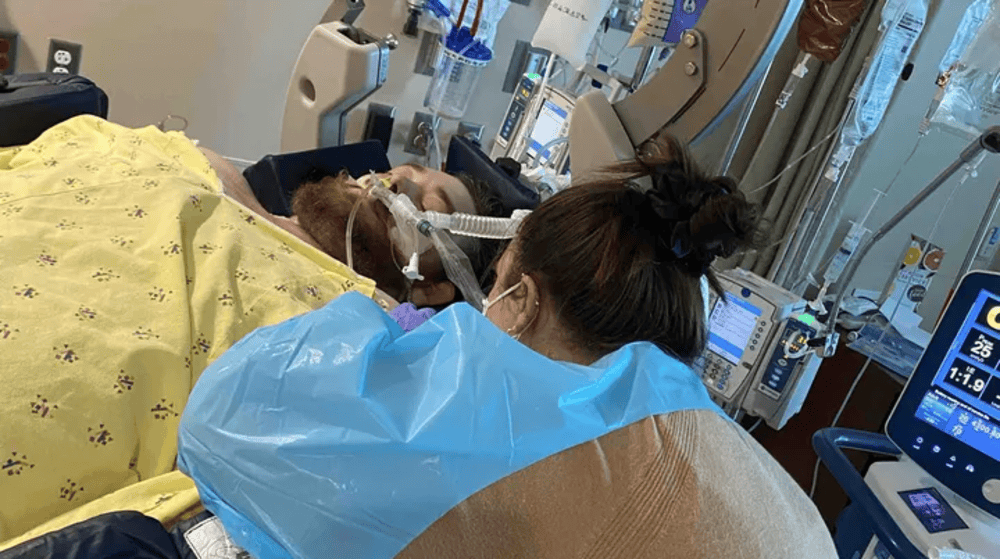
How often do we overlook the smallest nuisances in our daily lives—like a stubborn ingrown hair—assuming they’ll resolve on their own? For one man, what began as a minor irritation on his groin took a terrifying turn, spiraling into a life-threatening condition that left him in a coma and fighting for his life. This shocking case sheds light on a silent killer: sepsis, a condition responsible for nearly 11 million deaths worldwide each year—more than cancer.
Sepsis often creeps in unnoticed, disguising itself behind everyday infections. But what makes it so dangerous, and how can something as trivial as an ingrown hair trigger such devastation? This story is a chilling reminder of how quickly a small problem can escalate and underscores the critical need to recognize the warning signs before it’s too late.
The Case: From Ingrown Hair to Life Support
What started as a seemingly minor issue—a small ingrown hair on the groin—took an unimaginable turn for one man, spiraling into a life-threatening ordeal. At first, the ingrown hair appeared to be no more than an irritating bump, something easily ignored or treated with home remedies. However, beneath the surface, bacteria were multiplying, and the infection was beginning to spread. As days passed, the man experienced increasing pain and swelling in the affected area, accompanied by a high fever—classic signs of an infection. Yet, like many people, he underestimated the severity of his condition, believing it would resolve on its own.
Unfortunately, the infection didn’t just linger—it advanced rapidly. The bacteria managed to enter his bloodstream, setting off a dangerous chain reaction known as sepsis, where the immune system’s attempt to fight the infection causes widespread inflammation and organ damage. By the time the man sought medical attention, his condition had deteriorated drastically. Doctors acted quickly, placing him on life support as his organs began to fail one by one. In a desperate bid to save his life, he was placed in a medically induced coma, giving his body the best possible chance to recover.
This harrowing case serves as a stark reminder of how even seemingly trivial health issues can escalate into medical emergencies. An ingrown hair—something most people would dismiss as a mild inconvenience—became the entry point for a deadly bacterial invasion. It highlights not only the unpredictable nature of infections but also the critical importance of recognizing early signs of worsening conditions and seeking timely medical intervention.
The Risk of Everyday Infections
It’s easy to dismiss minor infections as harmless inconveniences, but this case serves as a sobering reminder of the potential dangers lurking in the everyday. Small wounds, ingrown hairs, or even cuts that seem insignificant can act as gateways for bacteria to enter the body. While most infections remain localized and resolve with basic care, some can escalate, particularly if left untreated or if the person has underlying health vulnerabilities.
Certain factors increase the risk of such complications. Individuals with weakened immune systems, diabetes, or chronic illnesses are particularly susceptible to infections progressing to sepsis. Poor hygiene, delayed medical attention, or incorrect wound care can also contribute to the development of severe infections. Even seemingly simple grooming activities like shaving or improperly cleaning a small wound can lead to dangerous outcomes if bacteria manage to enter the bloodstream.
This case underscores how vigilance can save lives. Recognizing that no infection is too small to monitor closely, especially if symptoms worsen or fail to improve, is key to prevention. By staying attentive to our bodies and addressing even minor infections promptly, we can reduce the risk of complications like sepsis. In a world where we often underestimate the power of small things, this story is a powerful reminder of the need for careful attention to everyday health.
Signs and Symptoms of Sepsis
Sepsis often begins subtly, masking itself as common ailments and making it difficult to recognize in its early stages. However, there are key warning signs that can indicate the body is in crisis, and identifying these early can save lives. In many cases, symptoms start with fever, chills, and a rapid heart rate, often accompanied by difficulty breathing or extreme fatigue. These can easily be mistaken for the flu or a viral infection, which is why so many cases go undiagnosed until they reach a critical stage.
As sepsis progresses, more alarming symptoms appear, such as confusion or disorientation, sharp declines in blood pressure, clammy or mottled skin, and reduced urine output. These are signs that the body is slipping into septic shock, a severe and often fatal phase of sepsis characterized by organ failure. For many patients, including the man in this case, the progression from mild symptoms to a life-threatening condition can happen in a matter of hours, underscoring the urgency of early detection and intervention.
Being aware of these symptoms is crucial for both individuals and healthcare providers. If fever or infection is accompanied by any signs of confusion, rapid breathing, or extreme weakness, it’s essential to seek medical attention immediately. Early diagnosis and treatment with antibiotics, intravenous fluids, and supportive care can significantly improve outcomes. In the fight against sepsis, recognizing these symptoms quickly can mean the difference between recovery and tragedy.
How Sepsis is Treated: Life-Saving Medical Interventions
Once sepsis is identified, immediate and aggressive treatment is necessary to prevent further complications. In severe cases like the one described, hospitalization is required, as septic shock can quickly lead to organ failure.
The first step in treatment is the administration of intravenous (IV) antibiotics to fight the underlying infection. Fluids and oxygen support are also critical to maintaining blood pressure and organ function. In cases where sepsis has severely impacted organ systems, dialysis or mechanical ventilation may be necessary to support kidney or lung function while the body recovers.
Even after initial treatment, recovering from sepsis can be a long process. Many survivors experience post-sepsis syndrome (PSS), which can include chronic fatigue, muscle weakness, cognitive impairments, and an increased risk of future infections. Continuous monitoring and rehabilitation may be necessary to regain strength and prevent long-term complications.
Timely medical intervention can mean the difference between survival and fatality. This is why recognizing symptoms early and seeking immediate medical attention is essential in managing sepsis effectively.
Steps That Can Help Stop a Life-Threatening Infection
While sepsis can be life-threatening, it is often preventable with proactive measures and vigilance. Understanding how to care for minor injuries and manage infections is the first step toward reducing the risk of this serious condition. Proper hygiene plays a pivotal role—cleaning wounds thoroughly, using antiseptics, and keeping the area dry and covered can significantly lower the chances of infection. Even for seemingly minor issues, such as ingrown hairs, practicing safe grooming habits and avoiding irritation can help prevent complications.
Timely medical attention is critical when an infection shows signs of worsening. Symptoms like persistent redness, swelling, pain, fever, or pus around the affected area should not be ignored. Seeking help early can allow for effective treatment before the infection escalates. For those with underlying health conditions, such as diabetes or a compromised immune system, being especially cautious about infections is vital.
Building a strong immune system also plays a key role in prevention. Maintaining a healthy lifestyle through balanced nutrition, regular exercise, adequate sleep, and stress management can enhance the body’s natural defenses. Vaccinations, such as those for flu or pneumonia, can also reduce the risk of infections that may lead to sepsis. Ultimately, prevention is about staying attentive to small health issues and addressing them promptly to avoid larger, potentially life-threatening complications.
Small Infections, Big Consequences
Sepsis remains one of the most dangerous and underestimated medical emergencies. What happened in this case underscores how even a minor infection can spiral into a life-threatening condition if left untreated. Many people assume that small wounds or skin irritations will heal on their own, but when an infection worsens, the body’s response can become overwhelming.
Early recognition and medical intervention are the most effective ways to prevent sepsis-related complications. Symptoms such as persistent fever, unexplained fatigue, rapid breathing, or worsening pain should never be ignored. Seeking medical care at the first sign of a serious infection can mean the difference between a manageable illness and a medical crisis.
Sepsis is preventable in many cases, but only if people understand the risks and act quickly. Monitoring infections, practicing proper hygiene, and prioritizing overall health are essential steps in reducing its impact. Awareness and vigilance are key—because when it comes to sepsis, time matters.
Featured Image Souce: Michelle Spinale, GoFundMe
Sources:
- Rudd, K. E., Johnson, S. C., Agesa, K. M., Shackelford, K. A., Tsoi, D., Kievlan, D. R., Colombara, D. V., Ikuta, K. S., Kissoon, N., Finfer, S., Fleischmann-Struzek, C., Machado, F. R., Reinhart, K. K., Rowan, K., Seymour, C. W., Watson, R. S., West, T. E., Marinho, F., Hay, S. I., . . . Naghavi, M. (2020). Global, regional, and national sepsis incidence and mortality, 1990–2017: analysis for the Global Burden of Disease Study. The Lancet, 395(10219), 200–211. https://doi.org/10.1016/s0140-6736(19)32989-7
