
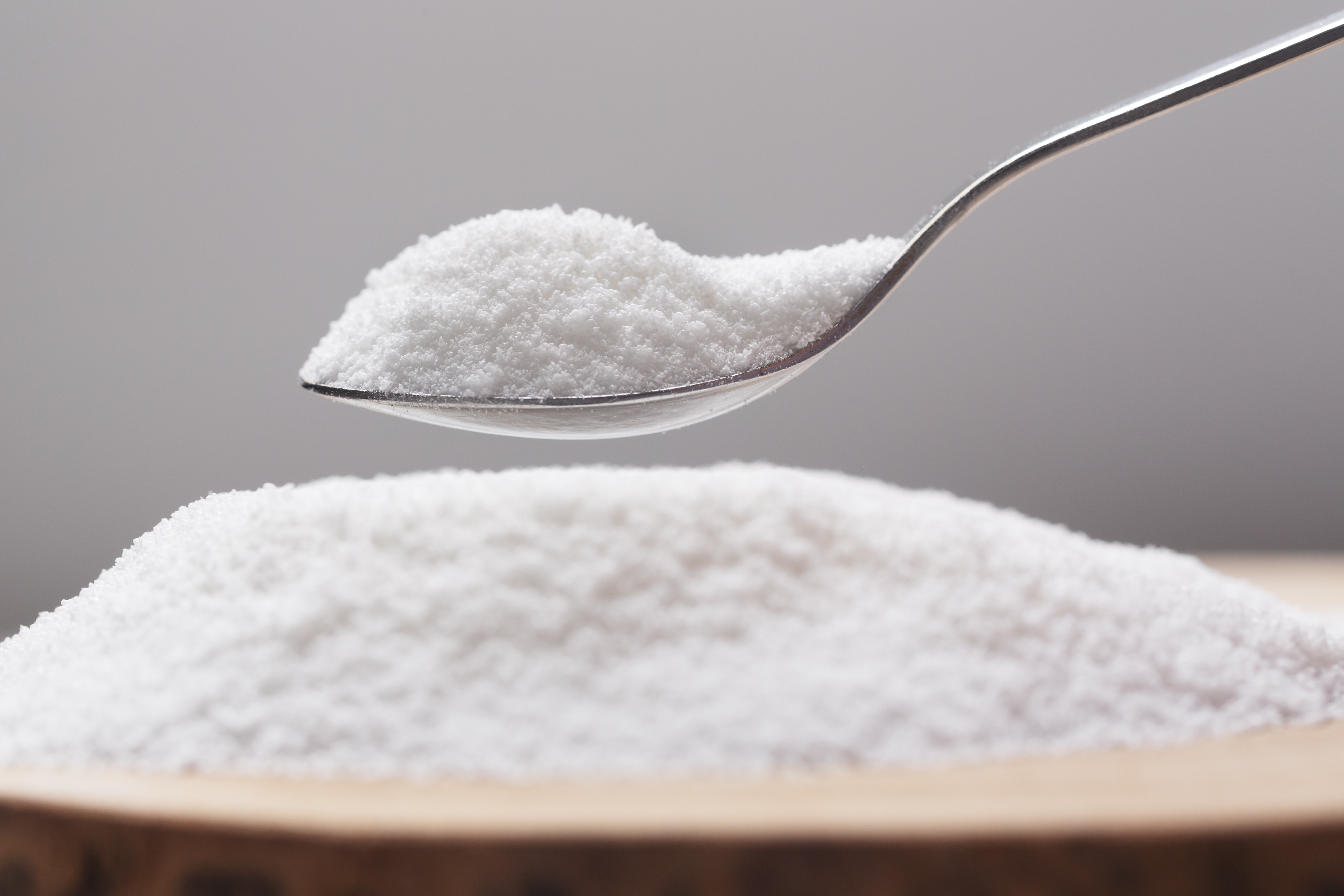
In today’s world, sugar is everywhere, hidden in foods we least expect and deeply woven into our daily habits. From that morning latte to the afternoon snack, many of us reach for sweet treats without a second thought, unaware of how it might be impacting our bodies and minds. But recent insights are revealing that the connection between sugar and the brain might be more complex than we think—possibly as addictive as other substances we typically consider dangerous.
For some, sugary foods become a source of comfort, a quick boost of energy, or even a reward. Yet, this seemingly innocent indulgence has a darker side, as overconsumption can lead to a cycle of cravings and dependence, affecting both physical health and mental well-being. Is sugar addiction real? What drives our cravings, and how can we break free?
The Science of Sugar Addiction and Cravings
Sugar cravings and potential addiction have garnered significant attention in scientific research, revealing complex interactions between sugar consumption and brain function. Studies indicate that sugar can stimulate the brain’s reward system, leading to behaviors similar to those observed with addictive substances. For instance, research from Princeton University demonstrated that sugar can be an addictive substance, affecting the brains of lab animals in a manner akin to drugs of abuse.
The brain’s reward system, particularly the release of dopamine—a neurotransmitter associated with pleasure and reward—is central to understanding sugar cravings. When sugar is consumed, dopamine levels increase, reinforcing the desire to consume more. Over time, this can lead to tolerance, where higher amounts of sugar are needed to achieve the same pleasurable effect, mirroring the patterns seen in substance addiction.
Moreover, sugar intake can disrupt the balance of inhibitory neurons in the prefrontal cortex, the area of the brain involved in decision-making and impulse control. Research has shown that high-sugar diets can alter these neurons, impairing the ability to control behavior and make decisions, which may underlie why diet changes are so difficult for people.
Additionally, sugar consumption has been linked to mood regulation. A study from the University of California found that loneliness in women can trigger increased brain activity related to food cravings, particularly for high-calorie and sugary foods. This suggests that psychological coping mechanisms for loneliness link directly to food cravings.

Recognizing Sugar Addiction: Signs and Symptoms
Recognizing the signs and symptoms of sugar addiction can be crucial for individuals aiming to reduce their sugar intake and improve their overall health. Sugar addiction is often characterized by both behavioral and physical symptoms, signaling a dependence that goes beyond simple enjoyment. Here are the primary indicators of sugar addiction, backed by research and observations:
1. Intense Sugar Cravings
One of the most prominent signs of sugar addiction is intense cravings for sweet foods. These cravings are often difficult to resist, leading individuals to seek sugary items even when they aren’t physically hungry. This craving is often driven by the brain’s reward system, which releases dopamine when consuming sugar, similar to the response seen with addictive substances. As a result, people may find themselves constantly thinking about sugary foods, making it challenging to cut back or resist.
2. Loss of Control Over Sugar Intake
Many individuals with a sugar addiction report difficulty controlling the amount of sugar they consume. Even with intentions to eat a small portion, they may end up consuming much more than planned. This loss of control is a hallmark symptom of addictive behaviors and can lead to overindulgence and binge-eating patterns. Studies, including those on sugar’s impact on brain chemistry, highlight that over time, people may need larger quantities of sugar to experience the same pleasurable effects, a phenomenon known as tolerance.
3. Eating Sugar to Cope with Emotions
Using sugar as an emotional crutch is another key sign of sugar addiction. Emotional eating involves turning to sugary foods during times of stress, sadness, or boredom as a way to temporarily alleviate negative feelings. This coping mechanism often becomes a cycle, as sugar’s effects on mood can be short-lived, leading to more frequent consumption to sustain the “comfort” feeling. The article references studies showing that sugar does not boost mood in the long term; instead, people may feel less attentive and more tired after consuming it.
4. Concealing Sugar Consumption
Individuals struggling with sugar addiction may feel ashamed or guilty about their sugar habits, leading them to hide their intake from others. This could involve eating sugary foods in secret or downplaying how much sugar they consume. This secrecy reflects awareness of the negative consequences associated with excessive sugar intake and highlights a level of internal conflict regarding their sugar dependency.
5. Physical Symptoms of Withdrawal
When someone with a high sugar intake tries to cut back, they may experience physical withdrawal symptoms. These can include irritability, headaches, fatigue, and strong cravings, making it difficult for them to maintain their resolve. Similar to other forms of addiction, sugar withdrawal can create discomfort as the body adjusts to lower sugar levels, especially if sugar was a primary energy source. Research, such as that by Nicole M. Avena and colleagues, reveals that sugar bingeing and withdrawal symptoms like anxiety and behavioral depression are consistent with those seen in substance dependence.
6. Increased Tolerance to Sugar
People who are addicted to sugar often find that they need more of it to experience the same level of satisfaction or pleasure, a symptom referred to as tolerance. Over time, their regular sugar intake no longer provides the same sense of enjoyment, leading them to consume larger portions. This tolerance development is a significant factor in the cycle of addiction, as it drives individuals to consume more sugar to achieve the same rewarding effects.
7. Physical and Mental Energy Fluctuations
Individuals addicted to sugar often experience energy highs and lows throughout the day, correlating with their sugar consumption. After an initial energy boost from consuming sugary foods, they may face a rapid energy crash, leading to fatigue, irritability, and low motivation. This cycle can also contribute to mood swings, as the body’s reliance on sugar for quick energy disrupts stable blood sugar levels.
Health Impacts of Excessive Sugar Consumption
Excessive sugar consumption has been linked to a multitude of health issues, affecting both physical and mental well-being. Understanding these impacts is crucial for making informed dietary choices.
Obesity and Weight Gain
High intake of added sugars, particularly from sugar-sweetened beverages, contributes significantly to weight gain and obesity. A systematic review and meta-analysis published in The BMJ found that reducing free sugars in diets led to a decrease in body weight, while increased sugar intake was associated with weight gain.
Cardiovascular Diseases
Consuming large amounts of added sugar has been associated with an increased risk of cardiovascular diseases. Research indicates that individuals who consume 17% to 21% of their calories from added sugar have a 38% higher risk of dying from cardiovascular disease compared to those who consume 8% of their calories from added sugar.
Type 2 Diabetes
Excessive sugar intake, especially from sugary beverages, is linked to a higher risk of developing type 2 diabetes. Studies have shown that high consumption of sugar-sweetened beverages is associated with an increased risk of type 2 diabetes in both men and women.
Dental Health
High sugar consumption is a well-known cause of dental caries (cavities). Sugars serve as a substrate for bacteria in the mouth, leading to acid production that erodes tooth enamel. The World Health Organization recommends reducing free sugar intake to less than 10% of total energy intake to minimize the risk of dental caries.
Mental Health
Emerging research suggests a link between high sugar consumption and mental health issues such as depression. A study published in BMC Psychiatry found an association between dietary sugar intake and an increased risk of depression among U.S. adults.
Accelerated Aging
Recent studies indicate that high added sugar intake may accelerate biological aging. Research published in JAMA Network Open suggests that even moderate levels of added sugar can age our cells, impacting our biological age.
Managing Sugar Cravings and Withdrawal
Reducing sugar intake can lead to withdrawal symptoms, including cravings, headaches, fatigue, mood swings, and irritability. These symptoms typically peak within the first few days and may last from several days to a few weeks, depending on individual factors. The intensity and duration of withdrawal are influenced by the extent of prior sugar consumption and individual metabolic responses.
Strategies to Manage Cravings and Withdrawal
- Gradual Reduction: Instead of eliminating sugar abruptly, gradually decrease intake to allow the body to adjust, potentially reducing the severity of withdrawal symptoms.
- Balanced Diet: Incorporate a variety of nutrients by consuming proteins, healthy fats, and fiber-rich foods. These components help stabilize blood sugar levels, reducing cravings and promoting satiety. For instance, proteins and healthy fats prevent large insulin releases that can trigger cravings.
- Regular Meals: Eating at consistent intervals prevents extreme hunger, which can lead to sugar cravings. Structured meal times help maintain stable blood sugar levels, minimizing the urge for sugary snacks.
- Hydration: Adequate water intake is essential, as thirst can sometimes be mistaken for hunger or sugar cravings. Drinking water throughout the day supports overall health and can help manage cravings.
- Physical Activity: Engaging in regular exercise releases endorphins, which can improve mood and reduce the desire for sugary foods. Physical activity also aids in regulating blood sugar levels.
- Stress Management: Since stress can trigger sugar cravings, incorporating relaxation techniques such as meditation, deep breathing exercises, or yoga can be beneficial. Managing stress helps in reducing the reliance on sugar for comfort.
- Adequate Sleep: Ensuring sufficient rest is crucial, as sleep deprivation can increase cravings for sugary foods. Aiming for 7-9 hours of quality sleep per night supports overall health and helps in managing cravings.
- Mindful Eating: Paying attention to hunger cues and eating without distractions can prevent overeating and reduce cravings. Mindful eating encourages a healthier relationship with food.
- Healthy Substitutes: Opt for natural sweeteners like fruits to satisfy sweet cravings. Fruits provide natural sugars along with fiber and essential nutrients, making them a healthier alternative to processed sweets.
- Support Systems: Seeking support from friends, family, or support groups can provide encouragement and accountability during the process of reducing sugar intake. Sharing experiences and strategies can make the journey more manageable.
Healthy Sugar Alternatives
Finding alternatives to refined sugar can be a practical and effective way to satisfy sweet cravings while promoting better health. Many natural sweeteners offer a lower glycemic index, fewer calories, and beneficial nutrients, making them ideal substitutes for refined sugar. Here are some of the most popular and nutritious sugar alternatives:
- Stevia
Stevia is a plant-based sweetener derived from the leaves of Stevia rebaudiana, a shrub native to South America. It is calorie-free and up to 450 times sweeter than table sugar, making it a powerful alternative in small amounts. Some research suggests that replacing sugar with stevia may help prevent weight gain and regulate blood sugar levels. However, stevia has a distinct taste that may take some adjustment. - Monk Fruit Extract
Monk fruit, native to Southeast Asia, provides a zero-calorie sweetener derived from compounds called mogrosides, which are responsible for its intense sweetness. Monk fruit extract does not raise blood sugar levels, making it a popular choice for individuals with diabetes. While monk fruit extract is generally well-tolerated, some products mix it with other sweeteners, so it’s essential to check labels. - Honey
Honey is a natural sweetener that contains trace minerals and antioxidants, such as polyphenols, which offer anti-inflammatory benefits. Although it is still high in calories and sugar, honey has a lower glycemic index than refined sugar. Studies suggest that honey may support immune health due to its antibacterial properties. Opt for raw or minimally processed honey to retain its full nutritional benefits. - Maple Syrup
Made by boiling down the sap of maple trees, maple syrup is rich in minerals like manganese, zinc, and potassium, along with antioxidants that may help combat inflammation. While it is high in sugar, it has a slightly lower glycemic index than table sugar and a unique flavor profile. Use it sparingly, as it is still high in calories and natural sugars. - Coconut Sugar
Coconut sugar, derived from the sap of coconut palms, contains small amounts of potassium, magnesium, and antioxidants. It has a lower glycemic index than refined sugar, making it a more stable choice for blood sugar management. Coconut sugar tastes similar to brown sugar and can be used in baking or cooking. While healthier than refined sugar, it is still a source of fructose and should be consumed in moderation. - Dates and Date Sugar
Dates are whole fruits packed with fiber, potassium, magnesium, and antioxidants. They offer a natural sweetness that doesn’t spike blood sugar as rapidly as refined sugars do. Date sugar, made from ground dried dates, retains the fiber of the whole fruit, making it a healthier alternative. Dates work well as a sweetener in smoothies, energy bars, and baked goods. - Molasses
Molasses is a byproduct of sugar production that retains many minerals, including iron, calcium, and magnesium. Its rich, dark flavor works well in specific recipes, especially in baked goods. While still a form of sugar, molasses offers some nutritional value and can be a good choice for adding depth of flavor without relying on refined sugar. - Yacon Syrup
Extracted from the roots of the yacon plant, yacon syrup is a low-calorie sweetener high in prebiotic fiber, which supports gut health. It has a low glycemic index and a mild, caramel-like flavor. However, yacon syrup can cause digestive discomfort in large amounts, so it’s best used in moderation. - Allulose
Allulose is a rare sugar found naturally in certain fruits like figs and raisins. It has only a fraction of the calories of regular sugar and does not cause a significant spike in blood sugar. Allulose mimics the taste of table sugar closely, making it ideal for baking. However, like some other low-calorie sweeteners, it may cause digestive upset if consumed in large amounts. - Fruit Purées
Using fruit purées, such as mashed bananas or applesauce, as a sweetener can be a wholesome way to add natural sweetness and fiber to recipes. Unlike refined sugar, fruit purées also provide vitamins, minerals, and antioxidants. They work well in baking, adding moisture and flavor to cakes, muffins, and breads.

The Sweet Road to Freedom
Managing and reducing sugar intake is not a simple feat, especially given how deeply woven sugar is into many of our daily routines and dietary habits. By recognizing the signs of sugar addiction, understanding its impact on both body and mind, and exploring effective ways to manage cravings, it becomes possible to make gradual changes that support overall health. With patience, commitment, and an open mind to healthier alternatives, breaking free from sugar’s hold is an achievable goal, paving the way for improved energy, mental clarity, and a greater sense of well-being.
Whether by incorporating natural sweeteners, embracing balanced meals, or engaging in mindful eating practices, each small step can make a significant difference in fostering a healthier lifestyle. Remember, the journey toward a lower-sugar life doesn’t need to be drastic or quick. Taking it slow, adjusting as needed, and staying consistent can yield lasting changes that bring about meaningful health benefits.
