
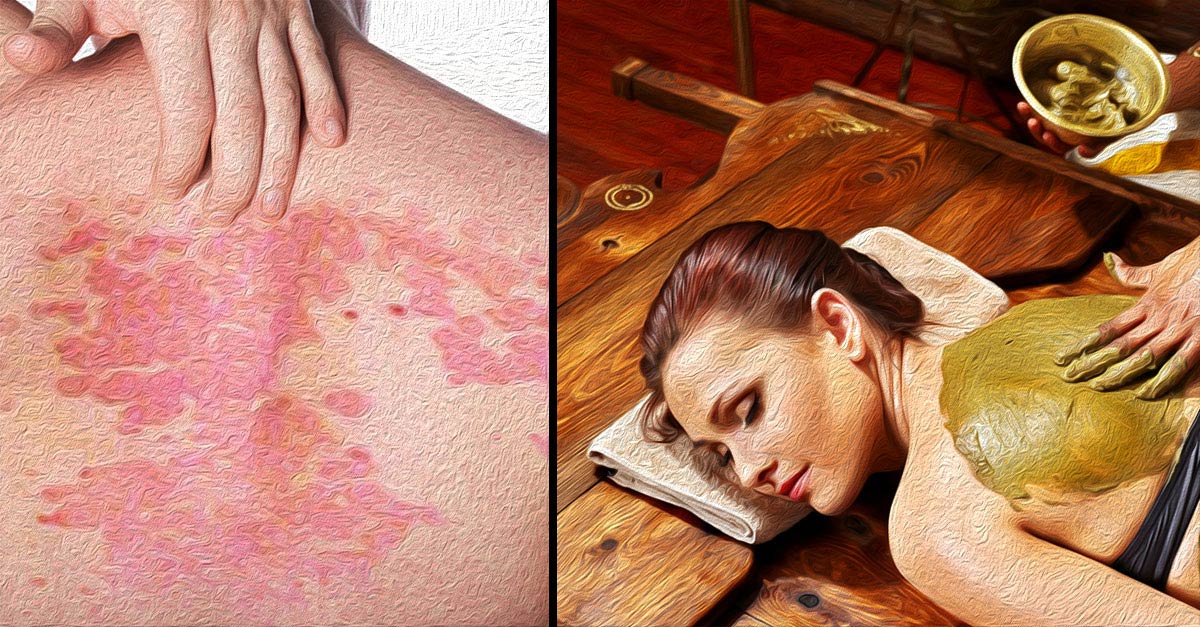
For those dealing with the persistent itchiness, dryness, and scaling of psoriasis, finding lasting relief can feel like an endless quest. While mainstream treatments often target symptoms, Ayurveda offers a holistic alternative that looks deeper—into the body’s balance and overall wellness.
Rooted in ancient wisdom, Ayurveda’s approach to psoriasis is not merely about treating the skin but addressing the underlying imbalances that contribute to the condition. Could this centuries-old practice hold the answers you’ve been seeking?
Understanding Ayurveda and Psoriasis
Ayurveda, often referred to as the “science of life,” is an ancient system of holistic medicine that originated in India over 3,000 years ago. It views health as a delicate balance between mind, body, and spirit, emphasizing that true wellness comes from this harmony. Central to Ayurvedic philosophy is the concept of doshas—three fundamental energies known as Vata, Pitta, and Kapha, which govern various physiological and psychological functions in the body.
In Ayurveda, psoriasis is considered a manifestation of imbalances in these doshas, particularly Vata and Kapha. An aggravated Vata contributes to dryness and scaling, while a disrupted Kapha results in thick, sticky secretions that create plaques. The condition is further compounded by the accumulation of toxins (ama) in the body, which stems from poor digestion, stress, and unhealthy lifestyle choices.
Psoriasis is also influenced by emotional health. Ayurveda recognizes that mental states like stress, anxiety, and grief can exacerbate physical symptoms, creating a cycle that’s challenging to break. By understanding the interplay between doshas, emotional well-being, and external factors, Ayurveda offers a more nuanced approach to addressing the root causes of psoriasis rather than solely managing its visible effects.
Nidana Parivarjana: Avoiding Triggers
In Ayurvedic treatment, the principle of Nidana Parivarjana—eliminating the root causes—is considered the foundation for healing. Psoriasis, according to Ayurveda, is not merely a skin condition but a result of imbalances triggered by various factors, including diet, lifestyle, and emotional stress. Addressing these triggers is the first step toward restoring balance and alleviating symptoms.
Steering Clear of Harmful Foods
Ayurveda emphasizes the role of diet in managing psoriasis. Certain foods are believed to disrupt the doshas and create toxins (ama), exacerbating symptoms. Foods to avoid include:
- Heavy and hard-to-digest items like rice flour, black gram, and sweets.
- Incompatible food combinations (virrudha ahara), such as fish paired with milk, which Ayurveda suggests generates toxins.
- Overly salty, spicy, or sour foods, which can aggravate inflammation and imbalance Pitta.
Instead, Ayurveda encourages a sattvic (pure) diet rich in easily digestible, wholesome, and cooling foods to maintain balance and support digestion.
Lifestyle Adjustments
Everyday habits also play a crucial role in psoriasis management. Activities like daytime napping, prolonged exposure to heat, and suppressing natural urges are discouraged, as they disrupt the body’s rhythm and aggravate doshic imbalances. Ayurveda also cautions against irregular meal times and excessive use of harsh skincare products, which may irritate sensitive skin further.
Emotional health is deeply intertwined with physical well-being in Ayurveda. Stress, grief, and anger can destabilize the doshas and worsen psoriasis symptoms. Ayurvedic practices such as yoga, meditation, and pranayama (breathing exercises) are recommended to promote mental clarity and emotional balance. These practices not only help calm the mind but also improve circulation and detoxification, supporting overall skin health.
By consciously avoiding these dietary, lifestyle, and emotional triggers, individuals can create a foundation for effective treatment. Aligning daily habits with Ayurvedic principles offers a practical way to manage symptoms and prevent flare-ups over time.
Panchakarma Chikitsa: Detoxification for Healing
A cornerstone of Ayurvedic treatment for psoriasis is Panchakarma Chikitsa, a holistic detoxification process designed to eliminate accumulated toxins (ama) and restore balance to the body. This multi-step therapy not only addresses physical symptoms but also works to recalibrate the doshas, offering a comprehensive approach to healing.
Preparatory Steps
Before embarking on the main Panchakarma therapies, preparatory steps, known as Purvakarma, are undertaken to enhance effectiveness:
- Oleation (Snehana): Herbal oils or medicated ghee are applied externally or consumed internally to loosen toxins and prepare them for elimination. Therapies may include massages with specific oils like bala oil or bakuchi oil, which soothe inflammation and promote healing.
- Sudation (Svedana): Heat-based therapies, such as herbal steam baths (sarvanga bashpa sveda) or medicinal baths (avaghaha sweda), are used to draw toxins toward the digestive tract, facilitating their removal.
These preparatory techniques help mobilize deep-seated toxins, ensuring the body is primed for the cleansing phase.
Main Therapies
The primary phase of Panchakarma includes therapies tailored to the individual’s dosha imbalance and severity of psoriasis:
- Vamana (Therapeutic Emesis): This process involves induced vomiting to expel toxins, particularly those aggravating Kapha dosha. Herbs like madanaphala and yastimadhu are used to aid this therapy, which is effective in relieving itching and scaling.
- Virechana (Purgation Therapy): Targeting Pitta dosha, this therapy uses herbal laxatives to cleanse toxins from the gastrointestinal tract, reducing inflammation and skin irritation.
- Basti (Medicated Enema): Focused on balancing Vata dosha, Basti introduces medicated oils or herbal decoctions into the colon to detoxify and nourish the body.
Each therapy is carefully supervised by an Ayurvedic practitioner to ensure safety and effectiveness.
The Benefits of Panchakarma
Panchakarma is not merely a physical detox; it’s a transformative process that rebalances the body, mind, and spirit. For psoriasis, this means not just symptom relief but a deeper sense of well-being and resilience. Studies have highlighted the effectiveness of Panchakarma in reducing symptoms like redness, scaling, and inflammation, often with lasting results.
While Panchakarma requires dedication, including dietary restrictions and consistent follow-ups, it lays the foundation for a more sustainable approach to managing psoriasis. By removing toxins and restoring doshic harmony, this therapy sets the stage for further healing through Shamana treatments.
Shamana: Pacifying Vitiated Doshas

After detoxification through Panchakarma, the next step in Ayurvedic treatment for psoriasis is Shamana. This phase focuses on pacifying the imbalanced doshas, restoring internal harmony, and promoting long-term healing. Combining internal remedies, topical treatments, and stress-relieving practices, Shamana addresses both the physical and emotional dimensions of psoriasis.
Herbal Formulations for Internal Remedies
Ayurvedic practitioners often prescribe herbal remedies tailored to the individual’s dosha imbalance. These formulations aim to nourish the body and enhance its natural healing capacity:
- Triphala and Dashamoola: Known for their detoxifying and anti-inflammatory properties.
- Raktapachakvati and Gandhak Rasayan: Used to purify the blood and alleviate skin inflammation.
- Buttermilk: Recommended for its cooling properties, which soothe Pitta and hydrate the skin.
These remedies are typically taken with ghee or honey to enhance absorption and efficacy. Each prescription is personalized, ensuring that it aligns with the individual’s constitution and condition.
Healing the Skin with Topical Treatments
External applications play a vital role in calming inflamed skin and promoting repair:
- Herbal Pastes: Ingredients like musta (Cyperus rotundus), manjistha (Rubia cordifolia), and aloe vera are blended into soothing pastes to reduce redness and scaling.
- Traditional Remedies: Banana leaves, diluted lime juice, and almond pastes are often used to cover affected areas, providing relief and aiding in skin regeneration.
These treatments not only alleviate symptoms but also support the skin’s natural healing process, creating a protective barrier against environmental irritants.
Rebalancing the Mind
Psoriasis is closely linked to emotional health, with stress often acting as a major trigger for flare-ups. Ayurveda incorporates stress-reduction techniques to address this root cause:
- Shirodhara and Takradhara: Therapeutic practices where medicated oils or buttermilk are poured over the forehead, calming the mind and reducing stress.
- Meditation and Yoga: These practices improve mental clarity and reduce anxiety, breaking the cycle of stress-induced flare-ups.
- Sunlight Therapy (Atapa Seva): Regulated exposure to sunlight is encouraged to stimulate vitamin D production, which helps clear psoriatic plaques. Overexposure, however, is avoided to prevent irritation.
By integrating these calming techniques, Shamana therapies help create a balanced emotional state, which is crucial for managing chronic conditions like psoriasis.
The success of Shamana depends on the consistency of treatments and the individual’s commitment to lifestyle changes. While the process requires patience, its holistic approach offers a sustainable path to recovery, addressing both the visible symptoms and the deeper imbalances that cause them.
Integrating Ayurveda with Modern Practices
While Ayurveda provides a holistic approach to psoriasis, integrating it with modern medical practices can offer a more comprehensive strategy for managing the condition. This balanced approach combines the strengths of ancient wisdom with the advancements of contemporary medicine, ensuring safety and efficacy.
The Importance of Professional Guidance
Ayurvedic treatments should always be undertaken under the supervision of a trained practitioner. This ensures that therapies like Panchakarma or herbal remedies are tailored to an individual’s constitution and medical history. Similarly, consulting a dermatologist or medical doctor is essential for an accurate diagnosis and monitoring of psoriasis, especially in severe cases that may require conventional treatments like topical steroids or biologics.
For example, an individual undergoing Virechana (purgation therapy) can also benefit from medical advice on skincare routines, such as using moisturizers to prevent excessive dryness caused by psoriasis. Combining these perspectives creates a well-rounded plan that addresses the condition from multiple angles.
Although Ayurvedic herbs have been used for centuries, it’s important to recognize that not all are regulated or thoroughly studied in modern contexts. Some preparations may contain heavy metals like lead or mercury, which can pose health risks if not sourced responsibly. Choosing high-quality, certified products and discussing them with healthcare professionals ensures safety and reduces the risk of adverse effects.
Healing Psoriasis Through Ayurveda

Psoriasis is more than just a skin condition—it’s a deeply personal challenge that impacts physical comfort and emotional well-being. While conventional medicine often addresses surface symptoms, Ayurveda offers a holistic approach that seeks to heal from within. By restoring balance in the body, mind, and spirit, Ayurveda provides a pathway to long-term relief.
Through detoxification techniques like Panchakarma, dietary adjustments, and stress management practices, Ayurveda targets the root causes of psoriasis. These treatments not only alleviate symptoms but also address the underlying imbalances that trigger flare-ups. Integrating these ancient practices with modern medicine enhances the potential for sustainable healing, offering a personalized approach that respects the complexity of this condition.
Healing with Ayurveda requires patience and commitment but promises more than just symptom relief—it fosters a renewed sense of harmony and well-being. With guidance from trained professionals and a willingness to embrace lifestyle changes, individuals can find a path toward not only managing psoriasis but thriving despite it.
Sources:
- Biswas, A., Deshpande, A. M., & Deshpande, M. A. (2021). An Ayurvedic approach to vipadika (Palmoplantar psoriasis): a case study. Journal of Pharmaceutical Research International, 267–273. https://doi.org/10.9734/jpri/2021/v33i38a32085
- C, N. a. D., & Desai, N. a. S. (2024). Contemplating the Role of Panchakarma in the Management of Psoriatic Arthritis and its Ayurvedic Perspective. AYUSHDHARA, 72–78. https://doi.org/10.47070/ayushdhara.v10i6.1445
- Gaikwad, S. P. (2022). Successful Ayurvedic Management of Psoriasis: A Case Series. Journal of Medical Science and Clinical Research, 10(02). https://doi.org/10.18535/jmscr/v10i2.25
