
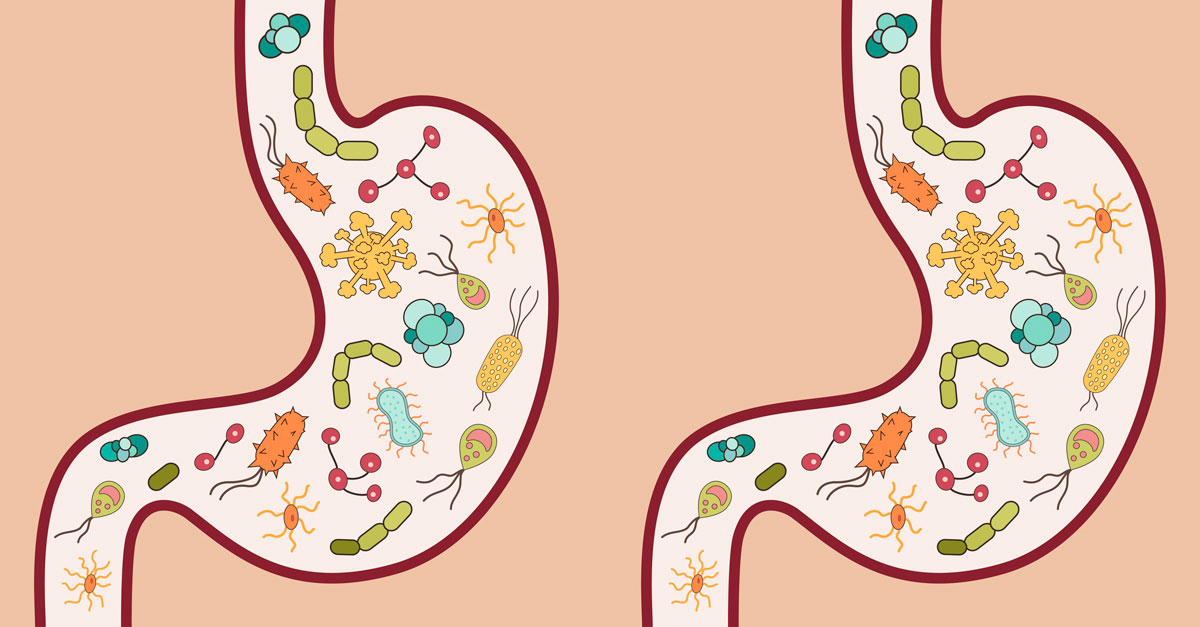
Most people don’t think about parasites living inside them—but these unwelcome guests are more common than you might expect. They can sneak into the body through contaminated food, water, or even everyday interactions with pets and the environment. Once inside, they disrupt digestion, drain nutrients, and cause everything from bloating and fatigue to more serious health issues.
The good news? Your kitchen already holds some powerful tools for defense. Everyday ingredients like garlic, pumpkin seeds, and cloves contain natural compounds that help fight off parasites and support a healthier gut. With the right foods and simple dietary tweaks, you can create an environment where parasites struggle to survive.
A few small changes can make a big difference in keeping your body parasite-free. Let’s take a closer look at how these pesky invaders enter the body—and which pantry staples can help send them packing.
How Parasites Invade the Body

Parasites can enter the body in ways that may surprise you. While some infections come from obvious sources like contaminated food or water, others find more subtle ways to sneak in. Here’s how these pesky invaders commonly spread:
1. Contaminated Food and Water
- Undercooked meats, especially pork, beef, and fish, are a major source of parasitic infections. Tapeworms and roundworms often lurk in improperly cooked animal products.
- Unwashed fruits and vegetables may carry microscopic parasite eggs from contaminated soil.
- Drinking untreated or unfiltered water, especially from lakes, streams, or poorly maintained wells, increases the risk of parasites like Giardia and Cryptosporidium.
2. Poor Hygiene and Sanitation
- Not washing hands before eating or after using the restroom can transfer parasite eggs from surfaces into the mouth.
- Handling pet waste without proper sanitation exposes you to parasites like Toxoplasma gondii, commonly found in cat feces.
3. Walking Barefoot in Contaminated Areas
- Hookworm larvae can penetrate the skin through bare feet, particularly in warm, humid climates with poor sanitation.
- Areas with animal droppings or untreated soil may harbor threadworms that can enter through minor skin abrasions.
4. Close Contact with Infected Individuals or Animals
- Some parasites, like pinworms, spread easily from person to person through direct contact or shared surfaces like bedsheets and towels.
- Playing with pets without washing hands afterward can increase exposure to parasite eggs and larvae.
5. Travel to High-Risk Areas
- Visiting regions with poor sanitation or different food safety standards increases the risk of infection.
- Street food, unfiltered water, and exposure to mosquito-borne parasites like malaria or filarial worms are common travel-related risks.
6. Weakened Immune System
- Conditions like chronic stress, poor diet, or autoimmune disorders can lower the body’s defenses, making infections more likely.
- A weakened gut microbiome (low levels of beneficial bacteria) makes it easier for parasites to thrive.
While avoiding parasites entirely isn’t always possible, your diet plays a huge role in fighting them off naturally. Many foods contain powerful compounds that help eliminate parasites, support digestion, and strengthen immunity. Let’s take a look at the pantry staples that can help get rid of these unwelcome guests.
Pantry Staples That Kill Internal Parasites

Nature has provided plenty of powerful ingredients that help the body fight off parasites naturally. Many of these are already sitting in your kitchen, packed with compounds that make it difficult for parasites to survive and multiply. From enzymes that break down parasite eggs to spices that disrupt their life cycle, these everyday foods can give your gut an extra line of defense.
Here’s a look at some of the best pantry staples for eliminating pesky internal parasites.
1. Garlic
Garlic isn’t just a flavorful addition to meals—it’s one of the most potent natural anti-parasitic foods. It contains allicin and ajoene, compounds that have been shown to fight Giardia, tapeworms, and roundworms. Garlic also strengthens the immune system, making it harder for parasites to thrive.
How to use: Crush a clove of raw garlic and let it sit for ten minutes before eating—it activates the allicin. You can also add fresh garlic to soups, stir-fries, or salad dressings.
2. Papaya Seeds
Papaya seeds are rich in papain, an enzyme that breaks down parasite proteins and makes it easier to flush them out. A study published in the Asian Pacific Journal of Tropical Medicine found that people who consumed papaya seeds with honey had a significantly lower presence of parasites in their stool.
How to use: Eat a teaspoon of dried papaya seeds daily, grind them into a smoothie, or mix them with honey. Their peppery taste adds a spicy kick to dishes.
3. Pumpkin Seeds
Pumpkin seeds contain cucurbitacin, a compound that paralyzes intestinal worms, preventing them from clinging to the gut wall so they can be flushed out. Research suggests pumpkin seeds are especially effective against tapeworms and roundworms.
How to use: Snack on raw pumpkin seeds, blend them into smoothies, or add them to oatmeal or salads.
4. Pineapple
This tropical fruit contains bromelain, an enzyme that helps break down and dissolve parasite proteins. Studies suggest that bromelain may help eliminate tapeworms and support overall digestion.
How to use: Eat fresh pineapple or drink its juice without added sugar to maximize its parasite-fighting properties.
5. Turmeric
Turmeric is well-known for its anti-inflammatory and antimicrobial properties. It contains curcumin, which has been shown to reduce parasite activity and support gut healing.
How to use: Mix turmeric into curries, soups, or golden milk. Combining it with black pepper increases curcumin absorption.
6. Cloves
Cloves contain eugenol, a potent compound that destroys parasite eggs before they hatch, stopping the infection at its source. This makes cloves a useful addition to any parasite cleanse.
How to use: Add ground cloves to tea, coffee, or warm water. Chewing whole cloves can also be beneficial.
7. Coconut and Coconut Oil
Coconut contains lauric acid, which the body converts into monolaurin, a compound known for its antimicrobial and anti-parasitic effects. Coconut oil also supports gut health by promoting beneficial bacteria.
How to use: Drink a tablespoon of coconut oil daily, add shredded coconut to meals, or drink fresh coconut water.
8. Apple Cider Vinegar
Apple cider vinegar helps balance stomach acidity, making it harder for parasites to survive. It also supports digestion and promotes gut-friendly bacteria.
How to use: Mix a tablespoon of raw, unfiltered apple cider vinegar with water and drink before meals.
9. Cayenne Pepper
Cayenne pepper increases circulation and digestion, making the gut less hospitable to parasites. It contains capsaicin, which has antimicrobial and anti-parasitic properties.
How to use: Sprinkle cayenne into meals, mix into lemon water, or add to soups.
10. Oregano and Oil of Oregano
Oregano is packed with carvacrol and thymol, compounds that disrupt parasite reproduction. Studies show oregano oil is particularly effective against Giardia and other gut infections.
How to use: Add fresh oregano to food, or take oil of oregano diluted in water.
Incorporating these natural parasite-fighting foods into your daily diet can help keep your gut strong and resilient. Along with proper hygiene and a balanced diet, they create an environment where parasites struggle to survive.
But diet alone isn’t always enough—next, we’ll look at simple habits that support a parasite cleanse and keep infections at bay.
How to Support Your Body During a Parasite Cleanse

Eliminating parasites isn’t just about eating the right foods—it also requires supporting the body’s natural detoxification processes. As parasites die off, they release toxins that can cause fatigue, digestive discomfort, and other symptoms. A few simple habits can help ease these effects and improve the cleansing process.
1. Stay Hydrated and Eat Fiber-Rich Foods
Water and fiber work together to flush out parasites and their waste. Dehydration slows digestion, while a low-fiber diet can lead to constipation, making it harder to eliminate parasites.
How to do it: Drink at least eight glasses of filtered water daily and eat fiber-rich foods like vegetables, flaxseeds, and whole grains. Herbal teas and coconut water can also aid hydration and digestion.
2. Restore Gut Health with Probiotics
A strong gut microbiome helps prevent parasites from taking hold again. Probiotics replenish beneficial bacteria, making it harder for parasites to return while improving digestion.
How to do it: Eat fermented foods like yogurt, kefir, sauerkraut, and kimchi. A high-quality probiotic supplement can also be helpful.
3. Avoid Sugar and Processed Foods
Sugar and refined carbohydrates feed parasites and weaken the immune system. Eliminating these foods can make it easier for the body to fight off infections.
How to do it: Cut out processed sugar, alcohol, and refined carbs during the cleanse. Focus on whole, nutrient-dense foods that support the immune system.
4. Support the Liver and Digestion
The liver plays a key role in filtering toxins, including those released by dying parasites. Supporting its function helps speed up the detox process.
How to do it: Eat antioxidant-rich foods like leafy greens, beets, and turmeric. Drinking warm lemon water in the morning or herbal teas like milk thistle and dandelion root can also help.
5. Prioritize Rest and Manage Stress
Sleep and stress management are often overlooked but are essential for recovery. The body does most of its repair work during sleep, while chronic stress weakens the immune system and slows digestion.
How to do it: Get at least seven hours of sleep per night and practice relaxation techniques like meditation or deep breathing. Light exercise, such as walking or yoga, can also help reduce stress.
Combining these habits with parasite-fighting foods can help your body eliminate infections more effectively. A strong gut, a well-hydrated system, and a nutrient-rich diet make it harder for parasites to thrive.
If symptoms persist or worsen, medical intervention may be necessary. In the next section, we’ll look at when to seek professional treatment and what medical options are available.
When to Seek Medical Help

While natural remedies and dietary changes can help manage mild infections, persistent or worsening symptoms may require medical attention. If digestive issues like chronic diarrhea, bloating, or nausea don’t improve, or if unexplained weight loss and fatigue set in, it could mean the infection is more severe. Signs of malnutrition, blood in the stool, or neurological symptoms like brain fog indicate that parasites may be affecting overall health.
Doctors diagnose parasitic infections through stool tests, blood work, or imaging scans, depending on the type of parasite suspected. Prescription anti-parasitic medications such as albendazole or ivermectin are often necessary to eliminate infections fully. In cases where parasites have caused inflammation or nutrient deficiencies, additional treatments may be needed to restore balance.
Although pantry staples and natural remedies can support gut health, they are not a substitute for medical care when symptoms persist. Seeking timely treatment ensures that infections don’t lead to long-term complications, allowing for a faster and more complete recovery.
Keeping Your Gut Healthy and Parasite-Free
Parasites may be more common than many people realize, but the good news is that nature provides plenty of tools to help fight them off. Everyday pantry staples like garlic, papaya seeds, pumpkin seeds, and cloves contain powerful compounds that disrupt parasites and support gut health. Combined with hydration, fiber-rich foods, and probiotic support, these natural remedies create an environment where parasites struggle to survive.
While diet plays a crucial role in eliminating infections, it’s equally important to practice good hygiene, cook food properly, and stay mindful of potential sources of contamination. Prevention is always the best approach, but if symptoms persist or worsen, seeking medical treatment ensures a complete recovery.
A well-balanced gut and a strong immune system are the best defenses against parasitic infections. By making smart dietary choices and supporting overall health, you can help protect your body from these unwanted invaders and maintain long-term digestive wellness.
