
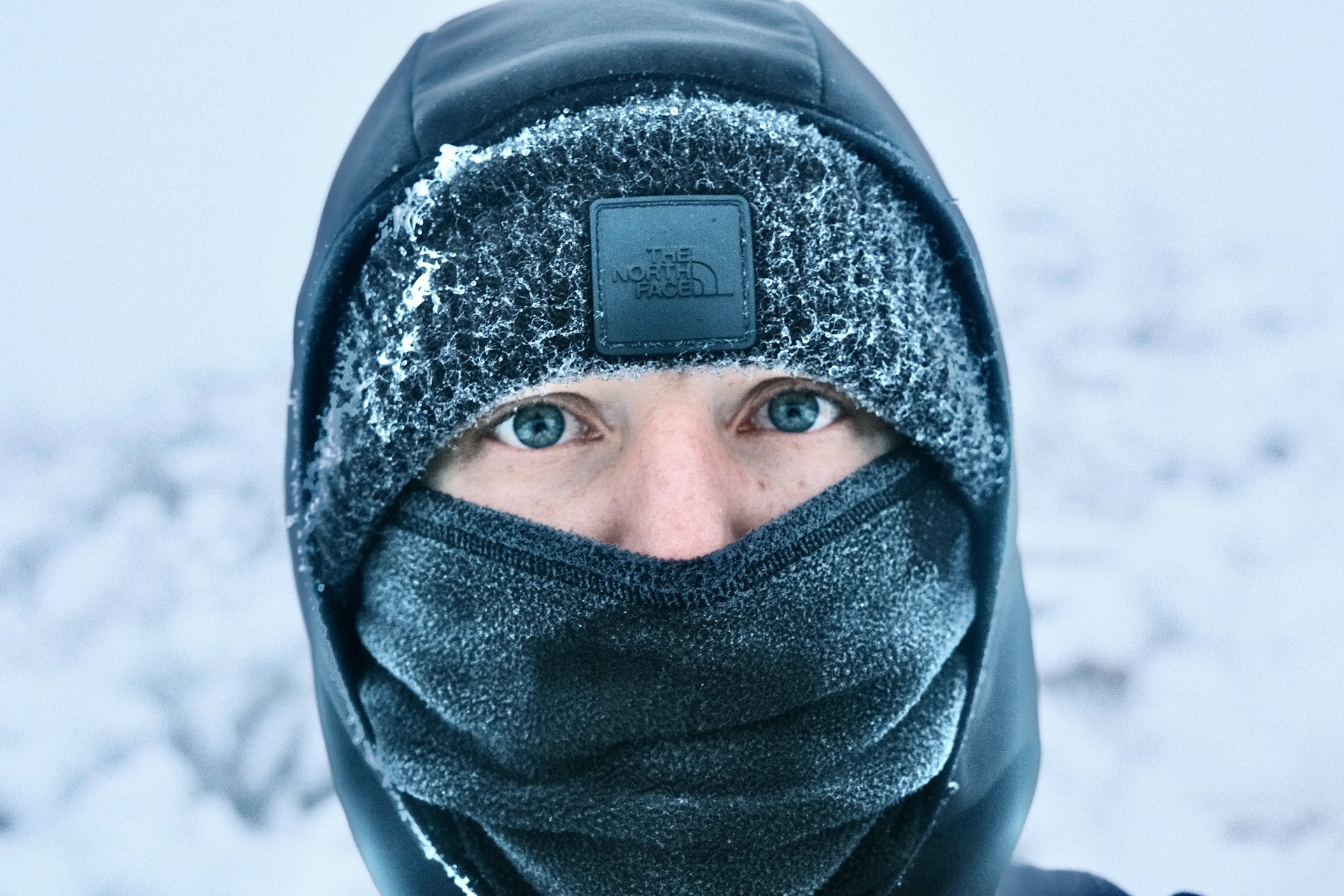
Across North America, Europe, and parts of Asia, severe winter cold has begun to arrive in unexpected and disruptive ways. Cities accustomed to moderate winters are now facing plunging temperatures, frozen infrastructure, and public health emergencies. What makes these events especially unsettling is that they are occurring alongside a warming global climate. This apparent contradiction has drawn attention to changes taking place far north in the Arctic, where rising temperatures are reshaping long‑standing atmospheric patterns.
At the center of this shift is the polar vortex, a massive circulation of cold air that usually remains locked over the Arctic during winter. As Arctic temperatures rise and sea ice disappears, this system is becoming less stable. When it weakens or stretches, bitterly cold air can spill southward, affecting millions of people far from the poles. These cold outbreaks are not just weather events. They directly influence physical health, mental wellbeing, and the resilience of communities.
From a health and wellness perspective, understanding how a warming Arctic can lead to deeper freezes is essential. Extreme cold stresses the body, worsens chronic conditions, and strains mental health, especially when events are sudden or prolonged. By looking at how these climate‑driven changes affect the human body and daily life, individuals and communities can better prepare and protect overall wellbeing.
This article explores what the polar vortex is, why it is changing, and how its disruptions impact health. It also offers practical wellness‑focused guidance to help you stay safe, grounded, and resilient during increasingly unpredictable winters.

Understanding the Polar Vortex and Arctic Warming
The polar vortex is a large area of low pressure and cold air that circulates high above the Arctic. During a typical winter, it remains relatively compact and strong, keeping the coldest air confined to northern latitudes. This stability allows seasonal weather patterns to remain fairly predictable across much of the Northern Hemisphere. When the polar vortex is intact, winter cold still occurs, but it tends to stay within expected boundaries.
Over the past several decades, the Arctic has been warming at a much faster rate than the rest of the planet. This rapid warming has led to significant losses in sea ice, especially during late summer and autumn. Sea ice normally reflects sunlight and helps regulate temperatures. As it disappears, darker ocean water absorbs more heat, further warming the region and altering atmospheric circulation.
This warming reduces the temperature difference between the Arctic and mid‑latitude regions. That difference is one of the key forces that keeps the polar vortex strong and circular. When the contrast weakens, the jet stream becomes more irregular and wavy. These waves can disturb the polar vortex, stretching it or causing it to split into separate lobes of cold air.
When this happens, Arctic air can move far south into regions that are not prepared for prolonged or intense cold. These disruptions explain why some winters now bring sudden deep freezes even as global average temperatures continue to rise. The changing polar vortex is a clear example of how climate shifts can create more extreme and less predictable weather rather than simply warmer conditions.
Why Extreme Cold Is a Growing Health Concern
Extreme cold places significant stress on the human body, particularly when it arrives suddenly. One of the most serious risks is hypothermia, which occurs when the body loses heat faster than it can produce it. Core body temperature can drop even in moderately cold conditions, especially if a person is wet, inactive, or inadequately dressed. Older adults, infants, and people with chronic illnesses are especially vulnerable.
Frostbite is another major concern during polar vortex events. It affects exposed skin and underlying tissues, most often the fingers, toes, ears, and nose. In severe cold, frostbite can develop quickly, sometimes within minutes. Damage can range from numbness and blistering to permanent tissue injury in extreme cases.
Cold weather also affects the cardiovascular and respiratory systems. Blood vessels constrict in response to cold, which raises blood pressure and increases strain on the heart. This can trigger cardiac events in people with existing heart conditions. Cold air can also irritate the airways, worsening asthma, bronchitis, and other respiratory issues.
In addition to these direct effects, extreme cold increases the risk of injuries from slips and falls on ice, motor vehicle accidents, and exposure‑related fatigue. When cold events overwhelm local infrastructure, access to medical care and emergency services may be limited, further increasing health risks.

Mental and Emotional Effects of Prolonged Cold
While the physical dangers of extreme cold are often discussed, the mental and emotional impacts are just as important. Sudden deep freezes can disrupt daily routines, limit social interaction, and create feelings of isolation. Being confined indoors for long periods can increase stress, irritability, and feelings of helplessness, particularly for people who live alone.
Cold, dark winters are closely linked to seasonal mood changes. Reduced daylight exposure can affect circadian rhythms and lower serotonin levels, contributing to low mood and fatigue. When extreme cold events extend these conditions or make outdoor activity unsafe, symptoms of seasonal depression can intensify.
Financial stress is another factor that affects mental wellbeing during severe cold. High heating costs, home repairs from frozen pipes, and missed workdays add pressure, especially for households already facing economic challenges. Anxiety about power outages or transportation disruptions can also linger long after temperatures return to normal.
Children and older adults may be especially sensitive to these stressors. For children, school closures and limited play can affect emotional balance. For older adults, isolation and reduced mobility can heighten feelings of loneliness. Addressing mental health during extreme cold requires awareness, social connection, and supportive community resources.
Supporting Physical Wellness During Deep Freezes
Staying physically well during extreme cold begins with preparation and awareness. Dressing appropriately is one of the most effective protective measures. Layering clothing helps trap heat, while insulated outer layers protect against wind and moisture. Covering the head, hands, and feet is essential since these areas lose heat quickly.
Indoor environments also play a key role in cold weather wellness. Homes should be kept at a safe, consistent temperature, and heating devices should be used carefully to avoid fire or carbon monoxide risks. Sealing drafts and using thermal curtains can help maintain warmth without excessive energy use.
Nutrition and hydration are often overlooked during winter. The body still needs adequate fluids, even when thirst signals are reduced. Warm beverages, soups, and meals rich in protein, healthy fats, and vitamins help support immune function and energy levels. Maintaining balanced meals also helps stabilize mood and blood sugar during stressful conditions.
Gentle movement supports circulation and joint health during cold spells. Even light indoor stretching or walking helps keep muscles active and reduces stiffness. For those with limited mobility, seated exercises and breathing practices can offer similar benefits while maintaining safety.

Building Emotional Resilience in Cold Weather
Emotional resilience is an important part of wellness during unpredictable winters, especially when extreme cold disrupts normal rhythms of life. Maintaining routines, even when weather interferes with work, school, or travel, can provide a stabilizing anchor during uncertain times. Simple daily rituals such as regular mealtimes, light indoor exercise, journaling, or brief exposure to morning sunlight near a window can help regulate mood and support emotional balance.
Staying socially connected is another key factor in protecting mental wellbeing during deep freezes. Checking in with friends, family, or neighbors helps reduce isolation and ensures that vulnerable individuals are not overlooked. Even brief conversations can provide reassurance and a sense of belonging. Phone calls, video chats, and online communities offer meaningful connection when travel is unsafe or outdoor gatherings are limited.
Mindfulness practices can be particularly helpful when stress levels rise due to extreme weather. Deep breathing, meditation, gentle stretching, and grounding exercises help calm the nervous system and reduce anxiety responses triggered by uncertainty or prolonged confinement indoors. Creating intentional breaks from constant weather alerts or alarming news coverage can further protect mental clarity and emotional steadiness.
Seeking professional support when needed is equally important and should never be seen as a last resort. If feelings of anxiety, sadness, irritability, or emotional exhaustion persist beyond the cold spell, reaching out to a mental health professional can provide coping strategies and reassurance. Early support can prevent short-term stress from turning into longer-lasting emotional strain during challenging winter seasons.

Learning From a Changing Climate
The connection between a warming Arctic and deep winter freezes highlights the complex ways climate change affects human health. Extreme cold is no longer an isolated seasonal challenge but part of a broader pattern of environmental change that demands awareness, preparation, and adaptability. These shifts remind us that climate impacts are not limited to heat waves but include intensified cold events that place unique strain on physical and mental health.
From a wellness perspective, the lesson is clear. Physical health, emotional balance, and community strength are deeply interconnected with the environment. When weather patterns become more erratic, wellness depends not only on individual habits but also on shared responsibility, access to resources, and supportive social systems.
Preparing for extreme cold means thinking beyond immediate survival. It involves strengthening daily health practices, supporting mental resilience, and advocating for community-level preparedness. As the climate continues to evolve, wellness will increasingly depend on flexibility, informed decision-making, and collective care in a world where seasonal expectations are becoming less predictable.
There is also an opportunity within this challenge to rethink how wellness is approached in a changing climate. By integrating environmental awareness into everyday health choices, such as prioritizing energy efficiency at home, supporting local resilience initiatives, and staying informed about weather related health guidance, individuals can reduce risk while contributing to broader community stability. These proactive steps help transform climate awareness into practical wellness action that supports both personal health and long-term collective wellbeing.
