
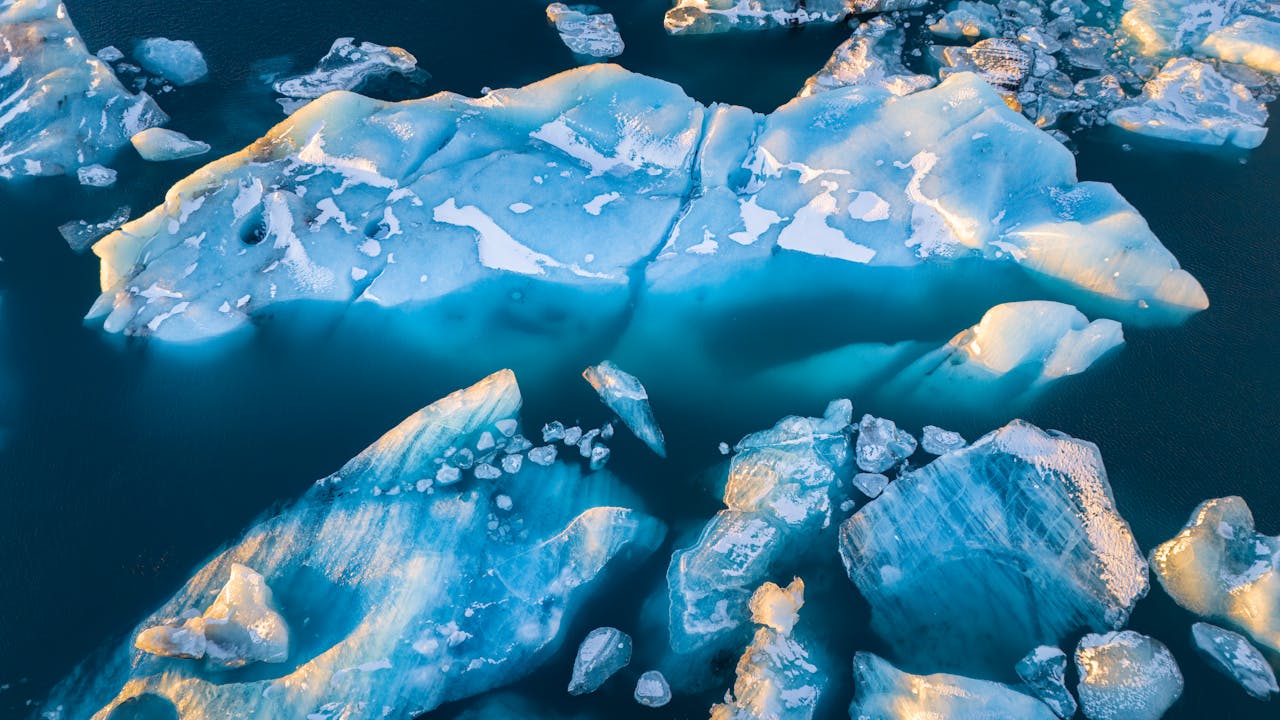
Climate change is no longer a distant concept. It is a present reality shaping the air we breathe, the food we eat, and the way we live. Among its most visible and measurable consequences is the rapid rise of sea levels, which scientists say is happening faster now than at any time in the last four millennia. Understanding what this means is not just about environmental awareness. It is about recognizing how deeply planetary health and human health are intertwined.

The Rising Tide We Cannot Ignore
Rising seas are often portrayed as a distant environmental issue, but scientists are warning that the crisis is unfolding now and its effects extend well beyond the coast. The new Nature study, led by Yucheng Lin of Rutgers University in collaboration with Australia’s national research agency, shows that since 1900, global sea levels have risen faster than in any century over the past 4000 years. The world’s oceans have climbed an average of 1.5 millimeters each year, and that pace is accelerating as the planet warms.
Sea-level rise represents one of the clearest indicators of how climate change is altering the planet’s systems. The study draws on geological and ecological records to document how this rapid rise has broken millennia of stability. For scientists like Lin and Robert Kopp, who coauthored the research, the findings are not simply about physical geography. They also reflect the cumulative effects of industrialization, energy use, and modern consumption patterns. “The global mean sea level rise rate since 1900 is the fastest rate over at least the last four millennia,” Lin said.

Unlike previous natural cycles of ocean expansion, today’s rise is almost entirely driven by human activity. Warming oceans expand, while glaciers and ice sheets continue to lose mass year after year. This process has direct implications for the health and security of millions of people who live near coastlines. As Lin’s research illustrates, what happens to the oceans is deeply tied to what happens to humanity. Sea-level rise is not just a matter of lost land; it signals the strain of a changing planet on our bodies, economies, and communities.
What the Science Reveals
The research conducted by Lin and his international team offers one of the most detailed reconstructions of sea-level history ever assembled. Drawing on geological records from across the globe, the scientists examined how the ocean’s height has changed over the past 12000 years, starting from the end of the last major ice age. They used ancient coral reefs, mangrove sediments, and coastal peat formations as markers, each layer capturing a moment in Earth’s long environmental timeline. These natural archives allowed the team to compare past sea-level behavior with modern measurements collected through satellites and tide gauges.
Their analysis showed that for thousands of years, sea levels fluctuated slightly but remained relatively stable. That balance began to break around the industrial era, when fossil fuel use increased and the planet started to warm rapidly. The researchers confirmed that the rate of rise since 1900, an average of 1.5 millimeters per year, is historically unprecedented. The consistency of data across multiple regions strengthened the conclusion that this change is global, not regional or cyclical.

As part of the study, the team compared current ocean trends with patterns seen in ancient warm periods to assess whether modern conditions could be considered natural. The results were clear. While past climate shifts took place over centuries or millennia, the modern increase is happening within a few generations. Lin explained that ocean water expands as it absorbs heat, and at the same time, melting ice sheets add enormous amounts of fresh water. “Getting warmer makes your ocean take up more volume,” he said. “And the glaciers respond faster because they are smaller than the ice sheets, which are often the size of continents.”
These findings mark a turning point in how scientists understand the pace and scale of global change. They provide a clear, measurable record showing that human activity has disrupted a long period of stability that lasted for four millennia. More importantly, this data gives policymakers a benchmark for action, showing that slowing the rate of warming is not just an environmental goal but a necessary step to protect health, infrastructure, and economic stability worldwide.
Coastal Cities on the Front Line
Nowhere is this more visible than in coastal megacities. China’s urban centers, Shanghai, Shenzhen, and Hong Kong, face what scientists call a double threat, rising seas from global climate change and sinking land from excessive groundwater extraction. In the 20th century, parts of Shanghai sank by more than one meter as aquifers were depleted faster than they could be replenished.
Lin notes that progress is possible. “Shanghai now is not sinking that fast anymore. They recognized the problem and started regulating their groundwater usage,” he said. The city’s efforts to re-inject water into underground reservoirs have slowed subsidence, a lesson other coastal regions can learn from.
This is not just a Chinese issue. Low-lying regions like New York, Jakarta, and Manila face similar risks. Many are built on soft delta soils that compact naturally, amplifying the effects of rising seas. These areas are home to millions of people and vital to global supply chains, meaning that coastal instability can disrupt not just local communities but international economies and food systems as well.
How a Changing Ocean Changes Human Health
The ocean covers more than seventy percent of the planet and sustains life through the water cycle, food systems, and climate regulation. When it changes, those shifts cascade through every aspect of human well-being. Rising seas are not just reshaping coastlines; they are influencing air quality, food supply, and even the spread of disease. The study highlights that this ongoing transformation of the marine environment has already begun to affect the basic elements that sustain health. From the purity of our drinking water to the nutritional value of our crops, the ripple effects of oceanic change are being felt in homes and communities worldwide.

- Water contamination: As saltwater pushes inland, freshwater aquifers, the source of drinking water for billions, become tainted. Increased salinity has been linked to higher rates of hypertension and kidney stress, especially in coastal communities that rely on groundwater.
- Disease spread: Warmer, wetter conditions promote the spread of mosquitoes and pathogens that cause illnesses such as dengue fever, cholera, and leptospirosis. Flooding also raises the risk of mold and bacterial exposure, contributing to respiratory and gastrointestinal diseases.
- Food insecurity: Saltwater intrusion damages farmland and reduces crop yields, particularly for rice and wheat. Fisheries are also under strain as ocean acidification and oxygen depletion reduce fish populations. These disruptions threaten nutrition and livelihoods, especially in developing regions.
- Housing and air quality: When floodwaters recede, they often leave behind sewage and chemical pollutants. This can lead to toxic mold growth and long-term respiratory problems for affected populations.
- Displacement and inequality: Rising seas are displacing millions of people worldwide, leading to overcrowding and economic strain in inland areas. These pressures contribute to social stress, limited healthcare access, and the spread of disease.
The Mental and Emotional Toll
Climate change is also reshaping mental health. The American Psychological Association defines eco-anxiety as the chronic fear of environmental doom, an increasingly common response to climate instability. According to Harvard Health, people exposed to extreme weather events face higher risks of post-traumatic stress, depression, and sleep disorders.
Even those who have not experienced direct disasters are affected. Constant news about environmental crises can create feelings of helplessness and dread. Over time, this chronic stress weakens immune function and emotional balance.

However, researchers emphasize that proactive coping helps. Participating in community programs, gardening, forest walks, or even mindful breathing can help ground the nervous system. In Japan and South Korea, forest therapy has become part of public health strategies, lowering cortisol levels and improving overall mood.
Seven Ways to Strengthen Your Resilience Every Day
Adapting to a changing climate starts with building resilience at the personal level. The effects of rising seas and a warming planet can feel overwhelming, but practical daily actions can restore a sense of control and connection. Strengthening resilience is not only about physical preparedness; it also means nurturing emotional balance, community ties, and sustainable habits that protect both personal health and the environment. Each of these steps helps transform awareness into meaningful action, creating stability amid uncertainty.
- Eat mindfully and locally. Plant-forward diets support both health and environmental stability.
- Protect water sources. Use eco-friendly filtration systems and support watershed restoration projects.
- Move daily. Physical activity enhances stress resilience and supports healthy circulation.
- Manage stress consciously. Meditation, yoga, or even mindful walking can lower stress hormones.
- Grow or tend plants. Indoor greenery improves air quality and promotes calm.
- Stay informed wisely. Follow credible scientific updates but avoid obsessive monitoring or doomscrolling.
- Engage in community action. Join cleanups, tree planting drives, or sustainability initiatives to turn concern into empowerment.
The Health of the Planet Is the Health of Us All
“The geological data help us understand the hazards that coastal cities face today,” said Robert Kopp, coauthor of the Nature study. That insight applies beyond science. It is a reflection of how our choices shape the future of both the planet and ourselves.
Rising seas are not only a marker of climate imbalance but also a reminder of how interconnected we are. Our air, food, water, and mental stability depend on the same systems that sustain the planet. Every action, whether conserving water, reducing waste, or advocating for environmental policy, contributes to a healthier collective future.

Protecting the Earth is more than an environmental act. It is a deeply human one. When we restore balance to our world, we restore balance to ourselves.
