
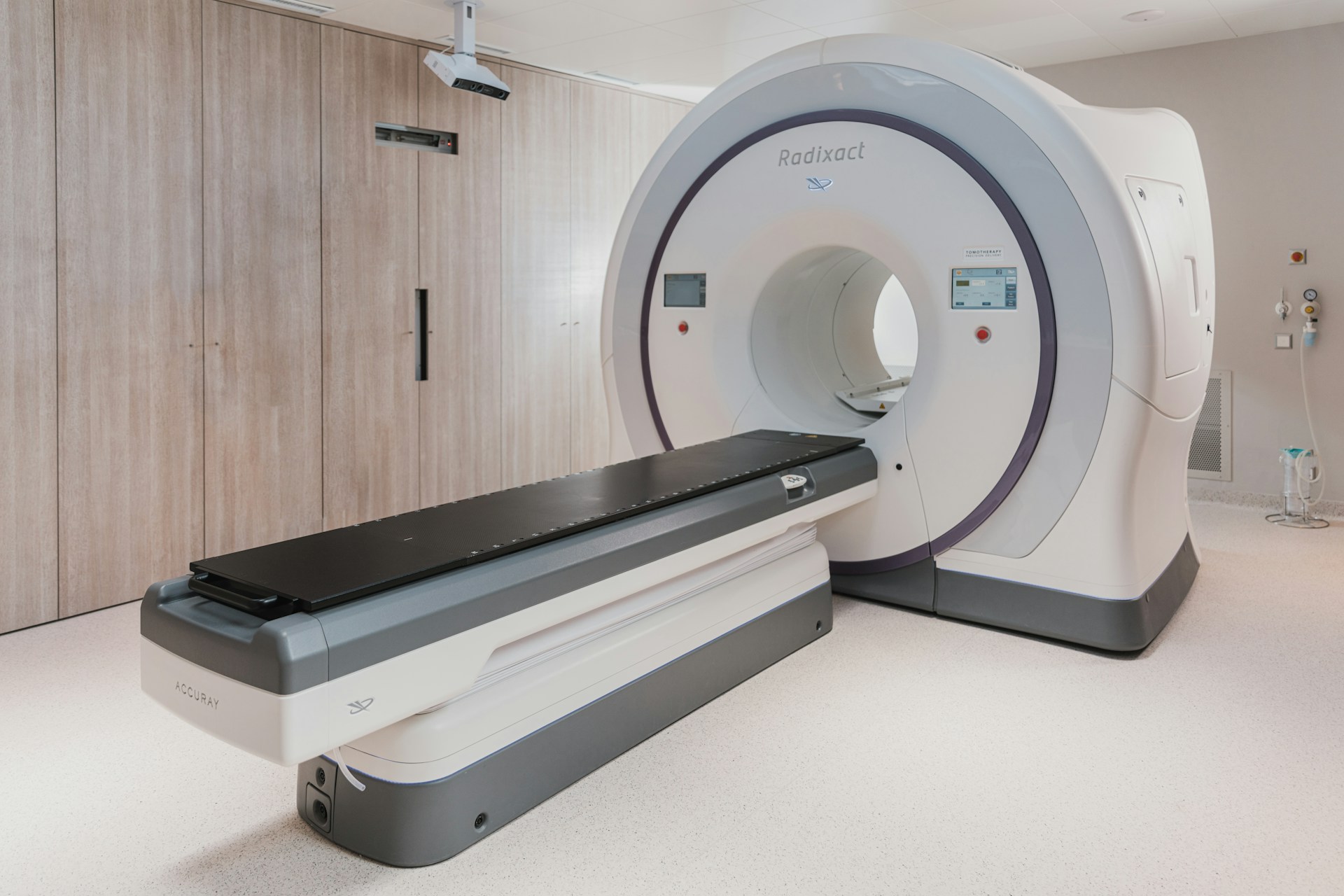
Magnetic resonance imaging (MRI) has long been seen as one of the safest diagnostic tools available. It uses magnets instead of radiation, which gives many people a sense of comfort compared to other kinds of imaging. Yet recent research is raising new questions about what happens inside the body after exposure to certain MRI contrast agents. These concerns focus on metal based particles that may linger in tissues long after a scan. For anyone who values long term wellness and natural living this topic deserves thoughtful attention.
Three new studies from respected institutions point to the possibility that contrast agents may leave behind small metal based fragments in the body. These particles have been found in organs including the liver and brain. While contrast is not always used during scans it is common in situations where doctors need clearer views of soft tissue. People often receive multiple contrast enhanced scans throughout life which increases interest in understanding how these particles behave inside the body.
The growing concern is not about MRI machines themselves. It is about certain contrast agents that contain gadolinium which is a metal that does not naturally belong in human tissues. Gadolinium is normally held inside a protective shell so it can pass safely through the body. The new research shows this shell may not always stay intact. Some particles appear to break apart forming smaller metal containing fragments that may settle into tissues.
This discussion does not mean all MRIs are unsafe. Imaging can save lives and early diagnosis can change health outcomes. The purpose here is awareness. When people understand the science they can make more informed choices and explore natural practices that support detoxification and well being.

How Toxic Metal Nanoparticles Form In The Body
Researchers at the University of New Mexico reported that gadolinium based contrast agents can break down into ultrafine particles once inside the body. These particles are sometimes small enough to pass through cell membranes which allows them to enter tissues that were once thought to be protected. The study noted that these nanoparticles can collect inside cells and may interact with various biological processes.
The research team observed that certain conditions may accelerate this breakdown. For example oxidative stress in the body could make contrast molecules less stable. This means people who already struggle with inflammation or metabolic stress may be more vulnerable to these particles forming. The study did not claim this happens to everyone but it did show that tissue infiltration is possible.
Another key takeaway is that these particles are sometimes found long after the MRI scan has taken place. Some were found weeks later suggesting the body does not always clear them efficiently. This aligns with reports of gadolinium retention which doctors have been studying for years. The new finding is that these retained metals may exist not only as whole molecules but also as fragmented nanoparticles.
Researchers emphasized that the particles were found in human tissue samples not just animal models. This strengthens the relevance for public health. Scientists also noted that dietary minerals may influence how these particles behave. For example iron and calcium may compete with gadolinium inside the body which could affect how particles settle.

What Recent Studies Reveal About Health Risks
A study from the Department of Veterans Affairs explored how retained metals from contrast agents could relate to health problems. Their report explained that some individuals develop symptoms such as chronic pain headaches and cognitive changes after repeated exposure to gadolinium based agents. These symptoms can vary widely and are sometimes difficult to connect directly to imaging because they may appear long after the scan.
The report suggested that gadolinium fragments may interact with immune activity and contribute to inflammation. Inflammation is linked to many chronic conditions including autoimmune disorders and metabolic issues. This does not mean that MRI contrast causes these conditions but the findings show that the particles may influence biological pathways connected to health.
Another concern raised by the research is the possibility of interference with cellular function. Metal fragments inside cells could disrupt normal signaling or create stress responses. Cells rely on clean and stable environments to operate well. Even slight disturbances can influence energy production or detoxification processes.
It is important to recognize that not everyone experiences negative effects. Many people receive MRI contrast without any problems. The studies simply expand understanding of what may occur beneath the surface. They encourage individuals to stay informed especially if they require multiple scans over time.
How Your Diet May Affect Retained Metals
A separate study reported that diet may influence how gadolinium particles behave inside the body. Certain minerals compete with gadolinium which may affect how these particles settle into tissues. For example calcium and magnesium may limit the movement of some particles. On the other hand deficiency in these minerals could create more opportunities for gadolinium to interact with cells.
Researchers also found that oxidative stress may play a role in particle formation. Diets that are heavy in processed foods or low in antioxidants may raise stress levels in the body. This may create an environment that weakens the outer shell of contrast molecules. When this shell becomes unstable fragments of metal can break loose more easily.

Plant based diets that include fruits vegetables nuts seeds and whole grains naturally provide antioxidants and minerals that support detoxification. These foods may help support the body after any medical exposure. While diet alone does not remove gadolinium it may influence how the body manages any particles that remain.
People with gut health challenges may also respond differently to contrast exposure. A healthy gut supports detox pathways and mineral absorption. When digestion is compromised the body may struggle to eliminate heavy metals efficiently. This makes gut supporting diets particularly helpful for overall wellness.
Natural Ways To Support Wellness After MRI Contrast
People cannot always avoid contrast enhanced scans. They are sometimes essential especially in emergency situations. However individuals can focus on wellness practices that support natural detox pathways. These approaches are not medical treatments for gadolinium retention but they may help overall cleansing processes.
Hydration supports kidney function which is the primary way the body removes contrast agents. Drinking sufficient water before and after a scan may help the body flush out more material. This does not guarantee full removal but contributes to healthier detox capacity.
Nutrition also matters. Foods rich in antioxidants such as berries leafy greens and herbs can support cellular health. These foods may help protect tissues from oxidative stress which is linked to particle formation. Minerals such as magnesium and calcium found in nuts seeds and certain vegetables may help balance the body after exposure.
Movement is another helpful practice. Light exercise can support circulation which helps the body transport nutrients and remove waste. Practices such as walking yoga swimming and light stretching are suitable for most people and require no specialized equipment.
Understanding When Contrast Is Needed
It is helpful to understand why doctors use contrast agents in the first place. These substances help create clearer images of tissues including blood vessels and organs. Without contrast some diagnoses would be more difficult or even missed. Contrast can reveal tumors inflammation blockages and other conditions that require urgent attention.
Doctors often choose contrast when the benefits outweigh the risks. The new studies do not argue against contrast use. Instead they help shift conversations toward more personalized decision making. People can ask whether contrast is necessary for each scan and whether alternative imaging may be available.

Some scans can be performed without contrast especially when evaluating bones joints or certain soft tissues. In other cases contrast is essential. People who know they have sensitivities to metals or kidney issues should always discuss this with their healthcare teams. Awareness encourages safer care.
Another factor is frequency. People who undergo repeated scans may want to track how often they receive contrast. Keeping a record helps create clearer communication with doctors and may help avoid unnecessary exposure. Conversations with medical professionals can also cover the type of contrast used. Some agents are more stable than others.
A Wellness Focused Path Forward
Awareness is empowering. Even though contrast enhanced MRIs are widely considered safe many people appreciate understanding how these agents behave inside the body. When you know more about these particles and how they interact with tissues you can take steps that support long term wellness.
The goal of this information is not to create fear. It is to allow space for informed choices balanced thinking and practical wellness strategies. Most people will continue to receive MRI scans when needed. The difference is that they can now approach these moments with confidence and healthy self awareness.

Natural living focuses on harmony within the body. Supporting detox pathways nourishing your system with antioxidant rich foods improving gut health and staying active all contribute to a more resilient internal environment. These practices matter regardless of medical imaging but they may be especially helpful after exposure to contrast agents.
Listening to your body and caring for your overall well being is a lifelong process. These studies simply invite you to expand your understanding of how everyday medical tools interact with your inner biology.
A Conclusion That Encourages Mindful Health Choices
Contrast enhanced MRIs remain a valuable tool in modern medicine. Yet it is becoming clearer that the particles left behind deserve attention. The emerging science does not claim danger for everyone but it does open the door for deeper understanding and better informed wellness decisions.
You have the ability to support your health through daily choices including hydration nutrition movement and mindful living. You can also work with your healthcare team to decide when contrast is necessary and when natural alternatives may provide sufficient information.
This combination of medical awareness and holistic lifestyle care creates a path that honors both science and well being. Your body is always working to protect you and understanding these findings helps you support that natural wisdom.
