
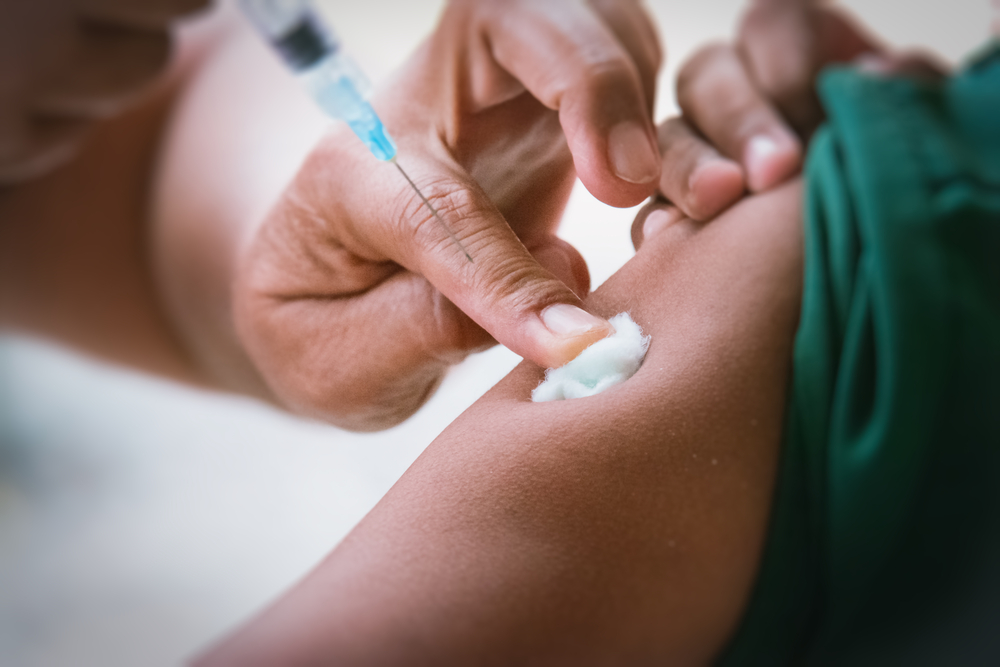
Skipping your COVID vaccine might not just affect your health it could put you at greater risk behind the wheel.
According to a massive study of more than 11 million adults in Canada, people who hadn’t received a COVID-19 vaccine were 48% more likely to be involved in a serious traffic accident requiring emergency care. That’s not a small bump in risk it’s on par with the added danger from having sleep apnea, and greater than the risk posed by diabetes when it comes to driving.
This isn’t about what’s in the vaccine. It’s about the kind of decisions people make and what those decisions might reveal about how they handle everyday risks, including the ones they take on the road.
Let’s break down what the research really shows, what might be driving this unexpected link, and why it matters for everyone vaccinated or not.
What the Research Shows
The study analyzed health and emergency records from over 11.2 million adults in Ontario during the summer of 2021. Of that group, 16% were unvaccinated against COVID-19. Yet this small fraction accounted for 25% of serious traffic crashes that resulted in emergency care, meaning they were significantly overrepresented among crash victims.
After adjusting for age, sex, socioeconomic status, home location, and medical conditions, researchers found that unvaccinated individuals had a 48% higher relative risk of being involved in a traffic accident compared to their vaccinated peers. This increased risk was consistent across various groups—young and middle-aged adults, men and women, urban and rural residents. It also remained significant after accounting for known crash-related conditions like alcohol misuse and sleep apnea.
In absolute terms, the crash rate was 912 per million for the unvaccinated group versus 530 per million for those vaccinated. The risk applied whether the person was a driver, passenger, or pedestrian and extended to severe outcomes, including hospitalizations and ambulance transport.
For context, the added risk from being unvaccinated surpassed the safety improvements modern vehicle engineering has made in recent years. It was lower than the risk posed by alcohol impairment but higher than diabetes two conditions well-established in traffic safety research.
The study was not a randomized trial and doesn’t prove causation. But the strength and consistency of the data drawn from 178 hospitals and a wide range of emergency care outcomes make the findings hard to ignore.
What Might Explain the Link Between Vaccination and Risky Driving?

The researchers behind the study didn’t suggest that skipping the COVID vaccine makes you physically less capable of driving. Instead, they pointed to a shared pattern in behavior and mindset a tendency to disregard guidelines, take risks, or resist authority that could explain why unvaccinated individuals were more likely to end up in serious crashes.
People who opt out of widely recommended public health measures may also be more likely to:
- Disobey traffic laws like speed limits or seatbelt requirements
- Engage in impulsive or aggressive driving
- Downplay everyday risks or overestimate their control over unpredictable situations
The study’s authors offered several possible reasons for these overlaps in behavior:
- Distrust of government
- Strong beliefs in personal freedom over public safety
- Exposure to misinformation
- Low health literacy
- Negative past experiences with institutions
- Chronic stress, poverty, or lack of access to reliable information
- Social circles or online communities that reinforce noncompliance
This isn’t a new theory. Earlier research has shown similar patterns, including a 2021 study linking flu vaccine avoidance with self-reported risky driving among young adults. Other studies have connected aggressive personalities, impulsivity, and disregard for rules with higher crash rates, whether among taxi drivers, young drivers, or motorcyclists.
Who’s Most Likely to Be at Risk?

The increased traffic risk among the unvaccinated wasn’t limited to any one group. The study found that the pattern held across age groups, genders, income levels, and geographic locations.
While the absolute risk of a crash was highest in younger and middle-aged adults as expected the relative risk of being unvaccinated and involved in a serious crash was consistent across the board, with only slightly lower rates in adults over 65. Urban vs. rural residence made little difference, and both men and women in the unvaccinated group were more likely to be in accidents than their vaccinated counterparts.
Notably, the unvaccinated group also had higher rates of certain risk-related medical conditions, such as alcohol misuse and depression both of which have been linked to unsafe driving. At the same time, they were less likely to have chronic conditions like diabetes or sleep apnea, which suggests that their elevated crash risk wasn’t driven by physical health alone.
Socioeconomic status also played a role. People from lower-income groups were more likely to be unvaccinated and also more likely to be involved in crashes. However, even after adjusting for these variables, the unvaccinated still had a 48% higher relative risk pointing again to behavioral rather than purely demographic explanations.
What This Means for Everyday Drivers

For the average driver, this study isn’t just about vaccination it’s about awareness. Whether or not you’re vaccinated, the findings highlight how personal attitudes toward safety and rules can have real-world consequences on the road.
The data suggest that people who reject health guidance may also be prone to ignoring basic driving precautions not wearing seatbelts, speeding, or driving while impaired or distracted. These choices don’t just increase personal risk they endanger passengers, pedestrians, and other drivers.
The researchers emphasize that this isn’t limited to a health issue. Emergency rooms and first responders are seeing higher numbers of unvaccinated individuals involved in serious traffic accidents. That makes vaccination status a possible red flag for broader risk behavior not just in terms of infection, but also injury.
This has practical implications:
- Doctors could use routine checkups to reinforce both vaccination and traffic safety, especially among patients with known risk factors.
- Insurers might one day factor in behavioral risk profiles including vaccine refusal into policy adjustments.
- First responders should be aware that they’re more likely to encounter unvaccinated individuals in serious crash scenes, which has safety implications for them as well.
Most importantly, this study is a reminder that your attitude toward risk carries over into multiple areas of life. Ignoring one set of rules might mean you’re more likely to ignore others even when lives are at stake.
How to Stay Safer Behind the Wheel

The link between vaccine hesitancy and crash risk may reflect broader behavioral patterns but regardless of why the risk exists, the steps to reduce it are straightforward and practical. Here’s what any driver vaccinated or not can do to lower their chances of being in a serious traffic accident:
- Drive like others’ lives depend on it, because they do. Whether you’re behind the wheel for five minutes or fifty, each trip demands your full attention and caution.
- Always wear your seatbelt. This remains one of the simplest and most effective ways to reduce injury in a crash.
- Slow down. Speeding gives you less time to react and increases the severity of any collision. Stick to posted limits, especially in high-risk areas like school zones and intersections.
- Put the phone away. Distracted driving especially from phones is one of the most common causes of modern accidents. Use “Do Not Disturb While Driving” features or keep your phone out of reach entirely.
- Don’t drive impaired. This includes not just alcohol, but cannabis, prescription medications that affect alertness, and sleep deprivation.
- Know your tendencies. If you’re someone who often feels impatient, frustrated in traffic, or tempted to “bend the rules,” those habits are worth checking. Small mindset shifts like viewing driving as a shared responsibility can go a long way.
- Be predictable. Use signals, follow traffic flow, and avoid abrupt maneuvers. Most crashes aren’t freak accidents they happen when someone behaves in a way others didn’t expect.
Even good drivers can benefit from reviewing their habits. Safe driving isn’t just about avoiding penalties it’s about protecting yourself, your passengers, and everyone else on the road.
Health, Habits, and Safety
This research isn’t about blaming people for their vaccination choices it’s about revealing how our attitudes toward health, authority, and risk show up in other parts of life, including on the road.
The 48% increase in crash risk among unvaccinated individuals isn’t likely caused by the absence of a vaccine itself. It reflects something deeper: how people assess risk, follow guidelines, and make decisions that affect not just themselves, but others.
That’s what makes this study so relevant. The decisions we make around public health whether to follow guidance, take precautions, or dismiss them don’t exist in a vacuum. They often reflect a larger pattern of behavior that shows up in traffic, in daily habits, and in how seriously we take our personal responsibility to others.
If there’s one takeaway, it’s this: health and safety aren’t separate conversations. Being cautious in one area often goes hand-in-hand with being cautious in others. Whether you’re vaccinated or not, doubling down on safe driving habits isn’t just smart it’s essential.
