
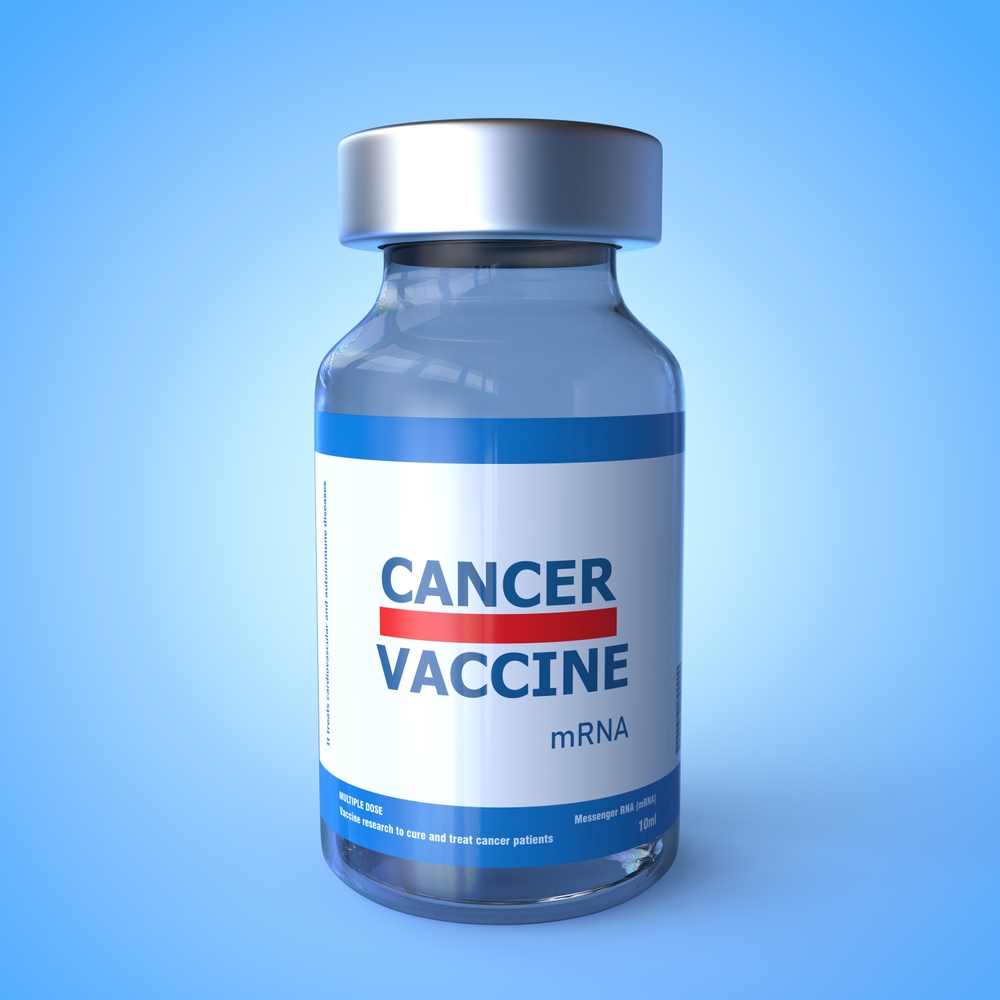
For decades, scientists have dreamed of a vaccine that could eliminate cancer before it takes hold. That dream may be closer to reality than ever before. Researchers at the University of Florida have developed a new vaccine platform that could train the immune system to identify and destroy any type of cancer. This approach represents one of the most promising advances in cancer immunotherapy, offering hope for a treatment that could work across multiple tumor types.
Unlike existing cancer vaccines that target specific mutations or antigens found only in certain cancers, this new vaccine technology appears to teach the immune system to recognize cancer cells based on their shared biological patterns. The results from early animal studies are encouraging, showing that the vaccine not only triggered strong immune responses but also prevented cancer recurrence.
What makes this discovery remarkable is how it builds on lessons learned from COVID-19 mRNA vaccines. Scientists have applied that same foundational technology to cancer, using messenger RNA to guide immune cells to recognize and eliminate malignant cells more effectively.

How the Vaccine Works
The new vaccine uses mRNA, the same type of genetic material used in COVID-19 vaccines, to deliver cancer-specific instructions to the immune system. When administered, the vaccine prompts cells to produce fragments of proteins found on cancer cells. The immune system recognizes these fragments as threats, generating T-cells and antibodies designed to seek out and destroy any matching cancer cells in the body.
What sets this vaccine apart from earlier approaches is its ability to cover a wide range of cancers. Traditional cancer immunotherapies often struggle because cancer cells mutate rapidly, allowing them to evade the immune system. The universal vaccine bypasses this issue by targeting stable and fundamental characteristics shared by most cancer cells.
Researchers observed that the immune response was not limited to a single tumor type. Mice treated with the vaccine successfully fought off melanoma, breast cancer, and colon cancer. Even more compelling, the vaccine prevented these cancers from returning, suggesting a long-term immune memory effect.
If proven effective in humans, this immune memory may act like a lifelong defense system, enabling the body to respond instantly to cancerous changes before tumors can form. This built-in surveillance could redefine preventive care, giving the immune system the tools it needs to recognize danger before disease takes root.
Building on the Success of mRNA Technology
The COVID-19 pandemic accelerated advancements in mRNA vaccine development, and scientists are now leveraging that momentum in cancer research. The University of Florida team, collaborating with UF Health and other institutions, has taken the core concept of mRNA vaccination and re-engineered it for oncology applications.
In this case, the vaccine acts like a universal “blueprint,” helping the immune system detect abnormal cell activity that signals the presence of cancer. This adaptability could allow scientists to customize the vaccine for individual patients in the future. If validated in humans, it could change how we treat, prevent, and even think about cancer altogether.

According to the researchers, early results in animal models have been “astonishing.” The vaccine not only stopped the growth of existing tumors but also offered complete protection against new cancer formation. These findings are leading to preparation for human clinical trials that could begin within the next few years.
Researchers hope that continued innovation in delivery systems will allow mRNA vaccines to reach deeper tissue areas and improve their stability in the body. This could make universal cancer vaccination not just a therapeutic option but a realistic form of long-term prevention for millions of people.
The Promise and Challenges Ahead
While the findings are exciting, experts caution that the vaccine’s success in animals does not guarantee identical outcomes in humans. Cancer is highly complex, and each tumor behaves differently depending on its environment, genetic mutations, and patient-specific factors. Nonetheless, this vaccine’s design provides flexibility that earlier immunotherapies lacked.
The upcoming phase of research will focus on determining whether the same immune response can be safely replicated in humans. Scientists must ensure that the vaccine does not trigger autoimmune reactions, in which the immune system mistakenly attacks healthy cells. Achieving this balance will be critical to the vaccine’s success.

Another challenge lies in scalability. Manufacturing a universal vaccine that can work against a wide range of cancers will require rigorous testing, advanced production facilities, and extensive safety data. Despite these hurdles, the scientific community is optimistic about what this could mean for the future of oncology.
Furthermore, equitable access to such a vaccine will be key. Ensuring that patients in lower-income regions can benefit from breakthrough immunotherapies is an essential step toward reducing the global cancer burden. As development moves forward, international collaboration will be vital to making this technology truly universal.
Why This Discovery Matters
This universal vaccine could shift the entire landscape of cancer treatment. Instead of tailoring different vaccines to each cancer type, doctors could eventually use a single platform capable of adapting to various malignancies. It might also be used preventively, much like traditional vaccines, to protect high-risk individuals from developing cancer at all.
The potential impact on global health is enormous. Every year, cancer claims millions of lives worldwide. A universal cancer vaccine could reduce that burden dramatically, transforming cancer from a deadly diagnosis into a manageable or even preventable condition.
Moreover, the vaccine represents an important step toward understanding how the immune system can be trained to identify the earliest signs of disease. It could open new doors for treating autoimmune disorders and chronic infections using similar mRNA-based immune reprogramming.
Beyond its direct health benefits, this vaccine could also revolutionize how we conduct cancer screening. Integrating it into routine health protocols could shift the medical focus from reactive treatment to proactive prevention, reshaping public health strategies for future generations.
The Future of Universal Cancer Vaccination
If the upcoming clinical trials confirm its effectiveness, this universal vaccine could revolutionize cancer care. Its ability to target and destroy cancer cells while preserving healthy tissue would mark a major milestone in medicine. It may also serve as a model for future therapies that rely on the body’s natural defenses rather than conventional treatments like chemotherapy or radiation.
As researchers continue to refine the vaccine, they are exploring combination therapies that could further enhance its success. For example, pairing it with immune checkpoint inhibitors or precision-targeted drugs may amplify its effectiveness and durability.

While there is still a long road ahead, the progress achieved so far provides a clear glimpse of what the future may hold. A world where cancer can be prevented before it begins is no longer just a vision but an emerging scientific reality.
Looking forward, scientists anticipate that within the next decade, universal cancer vaccines may be integrated into multi-stage immunotherapy regimens. This means patients could receive a universal base vaccine followed by personalized boosters tailored to their unique cancer markers, creating a layered and adaptive defense strategy.
A Scientific Look Ahead
The development of a universal cancer vaccine is more than just another medical milestone. It represents a new era in immunology, where mRNA technology can be adapted to teach the immune system how to protect the body in ways previously thought impossible. Scientists believe that within the next decade, we could see the first generation of universal cancer vaccines reaching human clinical trials.
While more research is needed to confirm safety and efficacy, this discovery reminds us that the same scientific innovation that changed the world during the pandemic is now being redirected toward one of humanity’s greatest health challenges. The universal vaccine brings renewed optimism to the fight against cancer and serves as a powerful example of how technology and biology can work together to redefine the future of medicine.
The ultimate goal is to create a vaccine that is not only effective but also adaptable to future cancer mutations. Continuous improvements in genetic sequencing, AI modeling, and mRNA stability will drive this progress. If successful, this innovation could stand as one of the most significant scientific achievements in modern history.
