
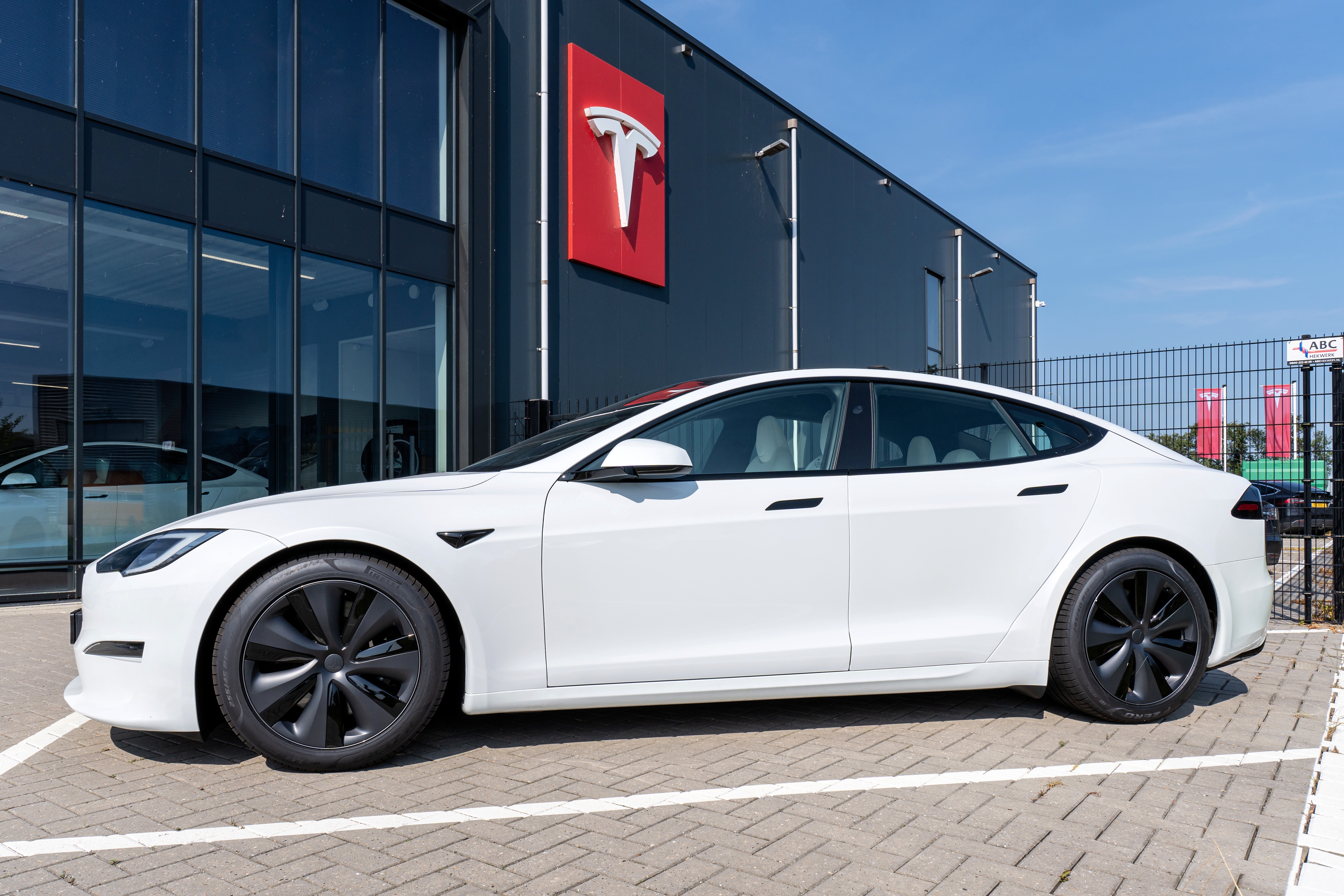
When Kyle Conner bought his 2022 Tesla Model S Plaid, he wasn’t just buying a car — he was buying one of the fastest production sedans in the world. The receipt showed he paid $140,940 for the black electric vehicle.
Two years later, after putting 37,191 miles on the clock, he checked the trade-in value.
The offer came back at $46,400.
He summed it up in a single word on X: “depreciation.”
For many drivers, losing value on a car is expected. But seeing nearly $100,000 wiped off in just 24 months hit differently. His post quickly sparked conversation about electric vehicles, resale value, and whether early adopters are paying a steep price for innovation.
The Six-Figure EV Purchase

The Tesla Model S has been in production since 2012 and has long been one of the company’s flagship vehicles. It has won major awards, including Motor Trend’s Car of the Year and Ultimate Car of the Year.
Conner purchased the high-performance Plaid variant in 2022, at a time when Tesla pricing was significantly higher than it is today. According to reporting, the car cost him just over $140,000.
At the time, the Model S Plaid represented:
- Top-tier acceleration – One of the quickest production cars on the market.
- Premium pricing – Positioned as a luxury EV.
- Cutting-edge battery tech – Offering long range and high performance.
But Tesla’s pricing strategy has changed dramatically since then. A 2025 Model S now starts at $89,990 — roughly $50,000 less than what Conner paid.
That shift alone affects resale value in a big way.
The Trade-In Number That Stopped Him Cold
depreciation pic.twitter.com/3wZ0I9usYK
— Kyle Conner (@itskyleconner) October 27, 2024
Two years after purchase, Conner shared screenshots showing the trade-in estimate: $46,400.
That means the vehicle lost approximately $94,540 in value over two years.
While depreciation is normal, the scale surprised many readers. According to Stuart Masson, editor of The Car Expert, cars can lose up to 35 percent of their value in the first year alone. He explained that when someone buys a new car, they’re not just paying for the vehicle itself, but also dealership margins and associated costs — value that disappears once the car leaves the lot.
Still, even with steep first-year depreciation, losing nearly $100,000 in two years feels extreme.
So what’s going on?
What’s Driving the Steep Drop in Tesla Values?

There isn’t just one reason behind the drop. Several factors are working together.
1. Tesla’s Own Price Cuts
Tesla has repeatedly reduced prices across its lineup over the past few years. When new car prices fall, used car values follow.
If buyers can purchase a brand-new Model S for significantly less than before, they’re unlikely to pay a high premium for a used one.
2. Supply and Competition
Masson told LADbible that Tesla has become a “victim of its own success.” For years, it dominated the EV market and sold large volumes of vehicles.
That means there are now many used Teslas available. When supply increases, resale prices typically decrease.
At the same time, traditional manufacturers have entered the EV space. Brands that were slow to launch electric models five or six years ago are now producing competitive alternatives, giving buyers more choice.
3. Rapid Battery and Tech Improvements
Electric vehicles evolve quickly. Improvements in range, charging speed, and battery efficiency happen faster than updates to traditional gasoline engines.
According to a study by Boohoff Law, older battery-electric vehicles suffer particularly heavy depreciation as newer models extend battery life and improve performance. Managing partner Tatiana Boohoff said the dramatic devaluation shows a market adjusting to rapid technological change.
When new models offer noticeably better range or charging compatibility, older versions can feel outdated — even if they’re only a few years old.
What a Decade of EV Resale Numbers Reveals

Conner’s experience isn’t an isolated case.
A study conducted by Boohoff Law compared manufacturer suggested retail prices in 2015 to average resale values in 2025 across 18 electric vehicles. The Tesla Model S ranked as the biggest loser over a 10-year period.
The numbers were striking:
- Original 2015 MSRP: $95,600
- Average 2025 resale value: $9,800
- Total depreciation: 89.75 percent
That represents an $85,800 loss over a decade.
Other early EV models also recorded heavy declines:
- Fiat e500: 88 percent depreciation
- BMW i3: 86 percent depreciation
- Nissan Leaf: 82 percent depreciation
The study noted that early premium EVs often lose value faster because technological progress makes older battery systems less attractive compared to new ones.
For comparison, the study looked at a 2015 Range Rover HSE LWB, which originally retailed at $97,020. Its 2025 market value sits around $19,999, meaning it retained about 20.6 percent of its original price — better than the 10-year-old Model S.
That comparison has fueled debate about whether EVs currently hold value worse than gasoline vehicles.
Why This Hurts More Than Typical Car Depreciation

Every new car loses value. But several things make EV depreciation feel more severe.
- High initial prices: Premium EVs often start at higher price points. A percentage drop on a $140,000 car translates to a much larger dollar loss than the same percentage on a $30,000 vehicle.
- Fast innovation cycles: Gas-powered engines have evolved gradually over decades. EV batteries and software systems, by contrast, are still improving rapidly. That speed can make models feel outdated sooner.
- Shifting incentives and tax credits: Government incentives, rebates, and policy changes also affect resale values. If new EV buyers receive tax credits or discounts, it puts downward pressure on used prices.
- Consumer uncertainty: Some buyers remain cautious about long-term battery degradation and replacement costs. Even if fears are sometimes overstated, they influence second-hand demand.
Before You Buy an EV, Read This

Conner’s post doesn’t necessarily mean buying an EV is a bad decision. But it does highlight the importance of understanding ownership costs.
Before purchasing a high-priced electric vehicle, buyers may want to consider:
- Total cost of ownership – Factor in insurance, charging, maintenance, and resale expectations.
- Leasing vs. buying – Leasing can reduce exposure to depreciation risk.
- Timing purchases carefully – Buying after major price cuts or later in a model cycle may lower risk.
- Long-term plans – Keeping a vehicle longer can soften the emotional impact of early depreciation.
For some owners, the savings on fuel and maintenance still make EVs worthwhile. For others, resale value is a major factor.
An Industry Moving Faster Than Its Values
The EV market is still relatively young compared to the century-old internal combustion industry. Infrastructure is expanding, battery costs are changing, and manufacturers are adjusting pricing strategies in real time.
The Boohoff Law study suggests the resale market is still adapting to these rapid shifts. As battery longevity improves and technology stabilizes, depreciation patterns may also stabilize.
For now, stories like Conner’s serve as a reminder: innovation can move faster than resale value.
Is Your EV an Asset or an Expense?
Kyle Conner’s experience highlights something many car buyers already know but rarely see so clearly — vehicles are depreciating assets, and electric vehicles are currently depreciating fast.
His Tesla Model S Plaid didn’t suddenly become a bad car. It’s still quick, still high-tech, and still capable. But market forces, price cuts, and technological progress changed what buyers are willing to pay for it.
For anyone considering a premium EV, the key takeaway is simple: understand the numbers before you sign. Innovation is exciting. Performance is appealing. But resale value matters too.
Depreciation may be inevitable. Being prepared for it doesn’t have to be.
