
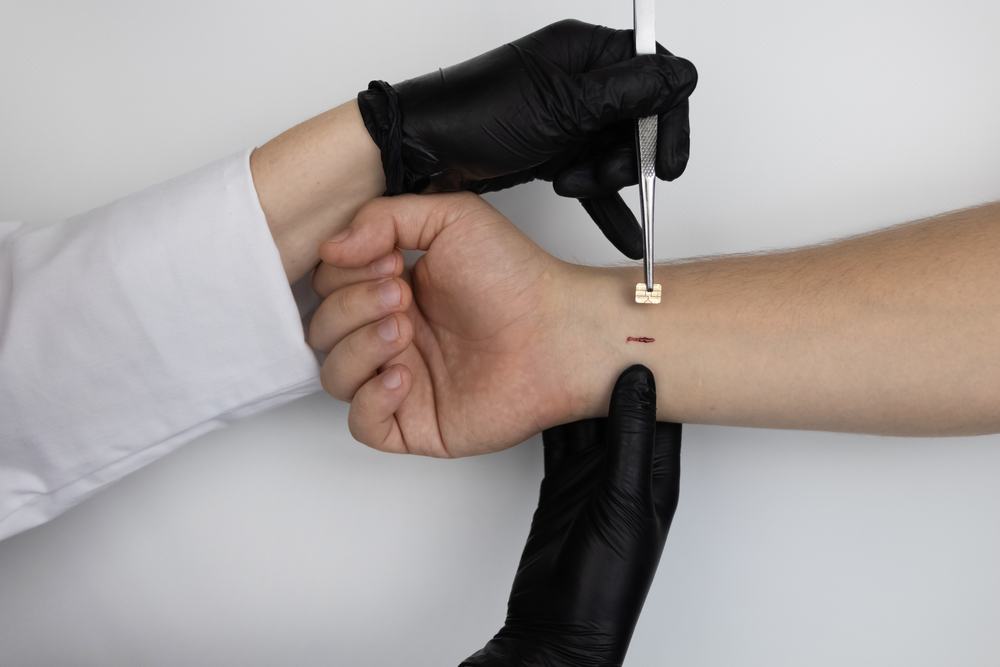
In Sweden, technology is no longer confined to phones and computers. It is being integrated directly into the human body. Thousands of Swedes have chosen to have microchips implanted in their hands, using them to unlock doors, pay for groceries, and even access medical information. What started as a convenience experiment is now sparking discussions about the future of digital health and human adaptability.
According to reports from World Economic Forum, more than 3,000 people in Sweden have undergone this procedure. The microchips, each no larger than a grain of rice, are inserted beneath the skin between the thumb and forefinger. They use Near Field Communication (NFC) technology, the same used in contactless payments, to interact with compatible systems. This makes the human body itself a tool for identification and communication.
What sets Sweden apart is its open embrace of innovation. In a society already accustomed to digital payments and high technology solutions, embedding a chip is seen as a natural progression. For many, it is a symbol of progress, blending health, safety, and convenience into one tiny implant. The country’s proactive attitude toward testing new technology continues to shape global conversations about human integration with digital systems.

How Biohacking Is Redefining Wellness
The rise of microchip implants has given new meaning to the concept of biohacking, the practice of enhancing the human body through technology. In Sweden, biohacking is not just a trend; it is a growing health and wellness movement. While many people use chips to make daily life easier, others see them as a step toward personalized health tracking and preventive care.
Imagine a future where a microchip could store your medical records, monitor vital signs, or alert doctors to irregularities in your body. Swedish innovators are exploring exactly that. The goal is to move beyond convenience and create a system where healthcare data is readily accessible in emergencies, improving response times and potentially saving lives.
Companies like Biohax International are leading this transformation, ensuring implants are safe, sterile, and voluntary. The process is quick, requiring only a few seconds with a syringe like injector. Once inserted, the chip remains passive and battery free, posing minimal health risk. The human body accepts it easily, and most recipients report only minor soreness after implantation.
As biohacking grows, Sweden is becoming a case study in how humans and machines might coexist, not as competitors but as partners in wellness and longevity. The practice also encourages individuals to think more deeply about their own health and to use technology as a proactive tool rather than a reactive one.

Health Meets Technology: Benefits Beyond Convenience
For most people with implants, the immediate benefits revolve around simplicity and safety. Losing your keys or wallet becomes impossible when access and payments are stored within your body. Beyond this, the potential health benefits are gaining international attention and scientific curiosity.
Researchers envision chips capable of detecting early signs of illness, regulating medication, or storing essential health information for doctors to access instantly. In medical emergencies, this could save crucial minutes that determine outcomes. As digital healthcare evolves, these chips could synchronize with wearable devices or hospital systems, forming part of a larger connected health network.
From a psychological perspective, many users report feeling more in control of their health and identity. By merging biology with technology, they feel empowered to manage their daily lives with precision. It is a step toward preventive healthcare rather than reactive medicine, a model that prioritizes awareness and efficiency.
Still, experts emphasize that regulation and security remain vital. The technology’s success depends on transparent data use and ethical boundaries. For now, Sweden’s experience offers a glimpse of what health integrated technology could look like worldwide and provides valuable insight into how societies might balance progress with protection.
The Economic and Environmental Impact of Microchipping
One often overlooked aspect of Sweden’s microchip movement is its broader economic and environmental impact. By reducing the need for plastic cards, metal keys, and paper documents, the country is cutting down on waste and energy consumption. Each chip can replace dozens of physical tools and materials, leading to a smaller environmental footprint.
Economically, the technology has created new business opportunities. Start ups, healthcare providers, and research institutions are now collaborating to explore the potential of implantable tech. This innovation is not only driving job creation but also positioning Sweden as a global hub for responsible digital transformation.
Furthermore, with sustainability at the core of many national policies, Sweden’s embrace of microchip technology aligns perfectly with its commitment to a greener and smarter future. It proves that technological progress can coexist with environmental responsibility when guided by thoughtful innovation.
Additionally, the long term economic benefits extend beyond Sweden’s borders. As more countries show interest in adopting similar innovations, Swedish companies specializing in implantable technology are seeing increased international demand. This not only strengthens Sweden’s export market but also promotes global cooperation in developing eco friendly, human centered solutions. The movement demonstrates how cutting edge technology can serve as a catalyst for sustainable growth, shaping a healthier economy and planet for future generations.

Addressing Safety and Ethical Concerns
With every new health innovation comes public concern. Microchip implants are no exception. Some critics question the long term health implications of having electronic components inside the body, while others worry about privacy and data misuse.
Medical professionals and developers have been proactive in addressing these issues. The current generation of microchips does not contain GPS tracking features or transmit personal data without consent. They work only when scanned by compatible devices, much like a contactless card. This limits potential misuse while maintaining a balance between convenience and safety.
Health experts in Sweden have also noted that the materials used in the implants are biocompatible, meaning they do not trigger adverse reactions. Continuous testing ensures the devices meet strict safety standards. As technology evolves, ethical frameworks will need to evolve with it, ensuring that innovation serves human well being above all else.
Sweden’s approach highlights a key principle of progress: transparency builds trust. By keeping participation voluntary and information open, the country is setting an example for ethical biointegration that other nations can learn from.
The Digital Health Future on the Horizon
The concept of merging health data with the human body raises exciting possibilities for the future of medicine. Imagine visiting a doctor who can instantly access your medical history from a scan of your hand. Or public health systems that track vaccination data and allergy alerts automatically, reducing paperwork and improving care coordination.
Such advancements could make healthcare more efficient, accurate, and personalized. However, this also demands secure systems and strong data protection laws. Sweden’s cautious but optimistic approach provides a roadmap for other nations exploring similar technologies.
The blending of biology and digital systems might one day lead to what experts call the symbiotic human, a being whose body and technology function as one. If handled responsibly, this could represent one of the most transformative moments in human history.
Another fascinating aspect of this vision is how it could bridge gaps in global health accessibility. For developing nations or regions with limited healthcare infrastructure, implantable technology might simplify record keeping and eliminate administrative burdens that often delay treatment. This could democratize medical access, ensuring that vital information follows the patient wherever they go. By combining portability with accuracy, digital health implants may offer a truly inclusive model of care that transcends traditional barriers.

Redefining Humanity Through Technology
Sweden’s microchip movement is not just a technological shift, it is a cultural one. It challenges people to rethink what it means to be human in a world where machines can become extensions of our bodies. For many Swedes, the idea is not about giving up control to technology but about reclaiming it in a new form.
This ongoing experiment reflects humanity’s enduring quest for self improvement. Whether through tools, medicine, or technology, humans have always sought to extend their abilities. Microchip implants simply represent the next phase of that journey, one that fuses biology, identity, and innovation.
If health and convenience continue to align in this way, it is likely that the rest of the world will soon look to Sweden not just as a hub of innovation but as a model for human evolution.
