
Science continues to uncover how adaptable the human body really is. Every so often, a discovery reminds us that healing is not a fixed process but a frontier still being explored. This story is one of those reminders. It follows new research that’s changing how doctors understand nerve repair and one man whose recovery may reshape what medicine considers possible.

When a Routine Ride Changed Everything
For 58-year-old Larry Williams from Philadelphia, an ordinary day outdoors turned into a defining moment. During a mountain biking trip, a collision with a tree caused severe damage to his cervical spine, the part of the backbone that carries messages between the brain and the body. The impact fractured his C4 to C6 vertebrae and left him paralyzed from the neck down.
Following surgery, Williams spent two weeks unable to move. His recovery seemed uncertain, yet physical therapy began to bring small changes. Over time, his body started to respond. “I was able to walk a little bit with the assistance of a walker,” Williams told Fox News Digital. “But I still had complications with mobility in areas like my hands.”
The accident affected more than his movement. He lost around forty pounds and faced emotional challenges while adjusting to a new reality. Even so, Williams continued to look for ways to strengthen his recovery. His research led him to a clinical study of a new peptide-based drug called NVG-291, designed to support the body’s ability to repair nerve damage and restore movement.
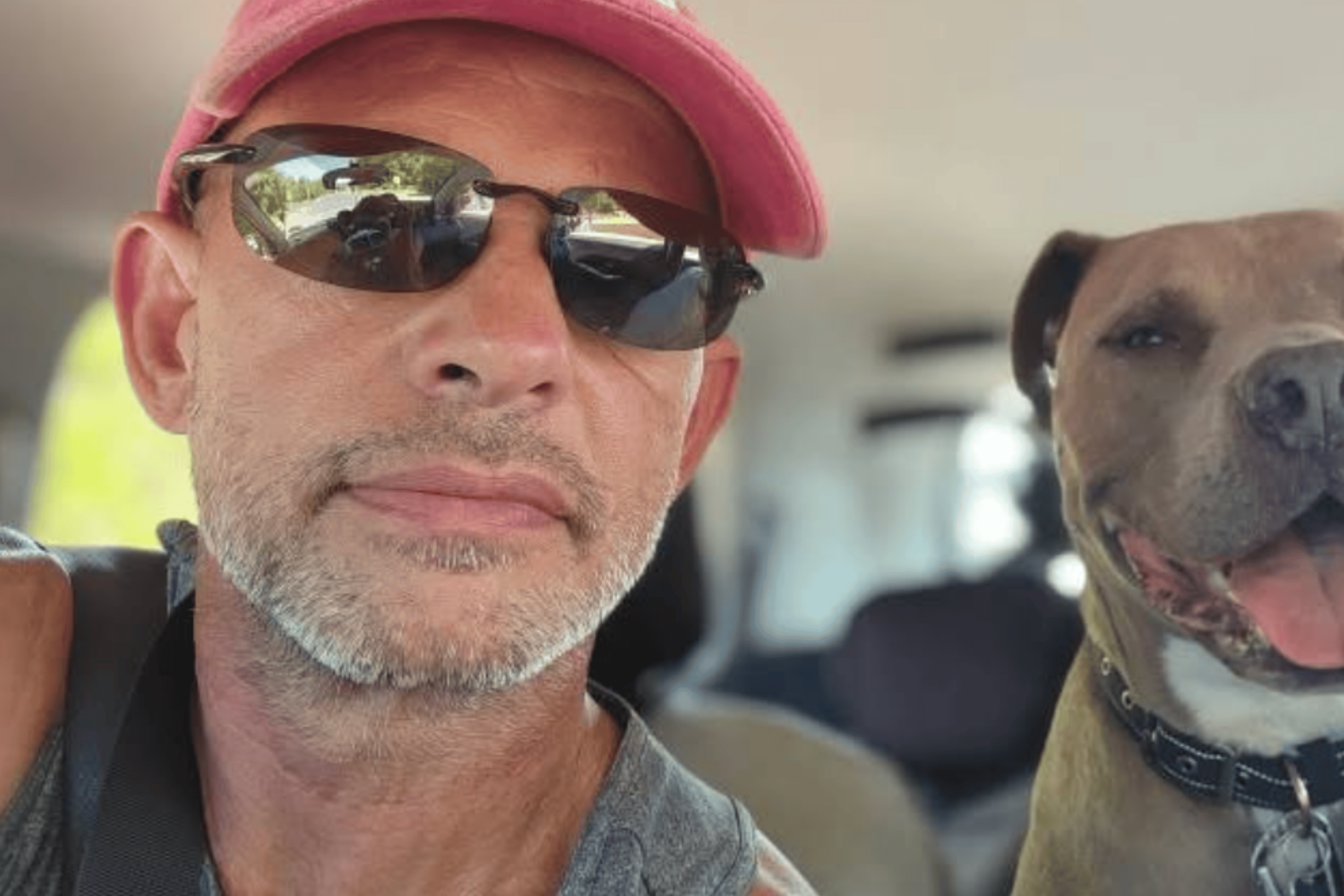
Unlike traditional rehabilitation, this study combined medicine and physical therapy to explore how the nervous system could be guided to rebuild itself. For Williams, the trial represented more than medical treatment. It was a chance to participate in research that could redefine how doctors understand healing after spinal cord injury.
How the NVG-291 Trial Worked
The NVG-291 clinical study was developed through a collaboration between the Shirley Ryan AbilityLab and Northwestern University. It explored how a small peptide could help the body repair damaged nerves, an approach that could change the way spinal cord injuries are treated. Information from NervGen Pharma and NBC Chicago confirmed that the trial aimed to test both safety and effectiveness in helping participants regain movement.
For three months, each participant received a daily injection of NVG-291 and completed guided therapy sessions designed to track progress in strength, balance, and coordination. Researchers carefully recorded changes in walking speed and muscle control, along with electrical activity in the nerves. These detailed measurements provided insight into how the drug might influence recovery at the neurological level.

Larry Williams followed the same routine. Each day he took part in treadmill sessions and coordination exercises after receiving his injection. Over time, his progress became clear. His movements grew steadier and his balance improved. “The movement in my legs seems to be a little bit smoother and less restricted as the time passed by,” he said. “I’m not going to give up. I’m going to keep pushing and trying.”
The science behind NVG-291 is straightforward. After a spinal cord injury, the body releases proteins that prevent nerve growth as a way to protect itself. However, this protective mechanism also blocks repair. NVG-291 works by stopping those signals, allowing neurons to reconnect and restoring communication between the brain and body. Dr. Monica Perez of the Shirley Ryan AbilityLab described the treatment as minimally invasive and designed to support the body’s own healing process.
Initial results show that the drug was safe and well tolerated. The early success of the trial has encouraged plans for larger studies that will examine how long the benefits last and whether the treatment could one day become a standard option for people recovering from spinal cord injuries.
Life After the Trial
When the clinical study ended, Larry Williams continued to notice steady improvements. He had received his final dose of NVG-291 in July 2024, yet his progress did not stop there. His body kept adapting as if the treatment had set new patterns of healing in motion.
“I’m not working out really hard. I’m currently not in therapy,” he said. “But just a couple of days ago, I stood up and tried to free-stand, balance and lift one foot off the ground. I was able to do it for 30 seconds.”
Only six months earlier, he could not hold that position for more than a few seconds. The improvement showed that recovery can continue long after formal therapy ends. Williams also started swimming regularly to build endurance and mobility. “I reach out to other people with the same injury as me, and it seems like a lot of them, after years and years of therapy, get to where I am,” he said. “And it kind of seems like I’ve been given a shortcut.”

The ongoing changes in his movement and balance suggest that the body can keep improving once the nervous system is given the right conditions to repair itself. His story highlights how progress after spinal cord injury depends not only on treatment but also on consistent physical activity and determination. “It could really change things for people with injuries like mine,” Williams said. “I’m just praying that everybody out there is able to have an opportunity to gain back their life.”
Williams’ experience offers insight into the potential of combining medical innovation with active rehabilitation. His results show that improvement may not be limited to the time spent in therapy or clinical trials but can continue as the nervous system relearns movement and coordination.
What This Means for Everyday Health and Recovery
While NVG-291 was designed for people with spinal cord injuries, its research also offers valuable lessons about how the body heals and adapts. The trial highlights the importance of supporting the nervous system, which plays a role in nearly every function, from movement and reflexes to mood and stress response.
Experts in physical medicine explain that recovery at the neurological level depends on more than medication. It also relies on circulation, nutrition, and consistent movement that stimulate nerve pathways. Regular physical activity, even in small amounts, promotes neuroplasticity, the brain’s ability to form new connections that help compensate for injury or age-related decline. Adequate protein, omega-3 fatty acids, and vitamins B12 and D are also known to support nerve health.

For people recovering from injury or dealing with chronic pain, the findings behind NVG-291 reinforce the need to stay engaged in therapy and daily movement. Just as the trial combined medication with physical training, personal recovery often benefits from a combined approach that includes both medical and lifestyle support.
The takeaway is simple. The body’s ability to adapt is ongoing, and progress can continue long after initial treatment. Science is beginning to show what many health professionals already know from experience: when we create the right conditions through exercise, nutrition, and mindset, the body is capable of far more repair than once believed.
The Future of Nerve Repair Research
The NVG-291 study is part of a growing field of research aimed at helping the nervous system recover after serious injury. Scientists are now exploring how similar compounds might support people with conditions such as multiple sclerosis, stroke, or peripheral nerve damage. Early findings from animal and human studies suggest that certain peptides and proteins can reactivate the body’s natural repair systems by guiding damaged nerves to reconnect.
This approach represents a shift in how medicine views recovery. Instead of focusing only on managing symptoms, researchers are beginning to study how to restore normal function. By targeting the body’s own healing mechanisms, treatments like NVG-291 could one day reduce the need for invasive procedures or long-term drug dependence.
At the same time, experts emphasize that clinical research must continue for these discoveries to become widely available. Each phase of testing provides more data about safety, effectiveness, and how long improvements last after treatment. The long-term goal is to develop therapies that are both accessible and adaptable for people with different types of neurological conditions.
Advances in nerve repair research also underline the value of early intervention and consistent rehabilitation. When science and patient commitment work together, recovery outcomes improve. The progress seen in the NVG-291 trial demonstrates what is possible when medical innovation focuses not only on treating disease but on restoring quality of life.
The Bottom Line
The NVG-291 study shows how modern research is beginning to unlock the body’s own capacity for healing. By understanding how nerves can be guided to repair themselves, medicine is moving closer to treatments that restore movement and function rather than only managing symptoms.
Larry Williams’ recovery highlights the impact of combining science, persistence, and rehabilitation. His story is an example of how progress continues when innovation meets patient commitment. For anyone facing a long recovery, the message is encouraging: improvement can continue as long as the body is given the support and stimulation it needs.

As new therapies like NVG-291 advance through clinical trials, they remind us that healing is both a scientific and personal process. While researchers continue to explore these discoveries, maintaining an active lifestyle, balanced nutrition, and consistent therapy remains essential for long-term nerve health. Progress in medicine begins with curiosity, but it succeeds through the daily choices that strengthen the body’s natural ability to recover.
