
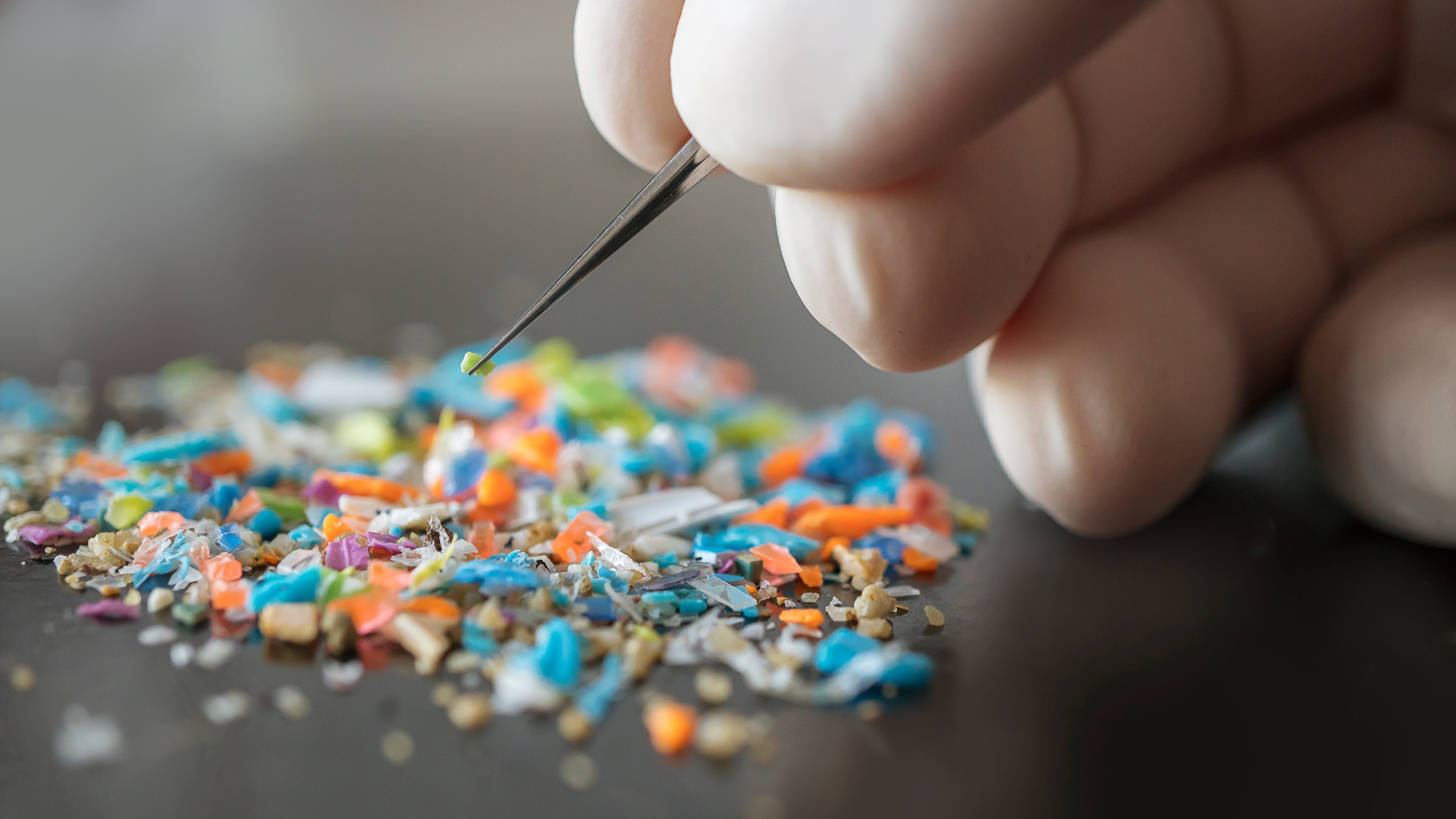
You might expect plastic pollution to be a problem for oceans, beaches, or maybe the occasional turtle—not your own bloodstream. But in a twist that sounds more dystopian than medical, scientists have uncovered something unexpected hiding in the arteries of stroke patients. These tiny plastic particles, so small they can’t be seen with the naked eye, are showing up in some of the most vital—and vulnerable—parts of the human body.
What does this mean for our health? Could these microscopic invaders be more than just passive hitchhikers in our system? As researchers dig deeper, they’re uncovering clues that could reshape how we think about the risks we face—not just from our habits, but from the world we’ve built around us.
Surprising Microplastic Levels Linked to Stroke

When vascular surgeon Dr. Ross Clark and his team at the University of New Mexico peered into the arteries of stroke patients, they weren’t expecting to find plastic—but that’s exactly what turned up.
In a study presented at the American Heart Association’s Vascular Discovery conference, researchers analyzed plaque buildup in the carotid arteries—those major highways that deliver blood to the brain. What they discovered was eye-opening: the fatty deposits in stroke patients contained up to 51 times more microplastics and nanoplastics than healthy arteries. Even patients who hadn’t yet experienced symptoms like stroke or vision loss still had plaque that contained 16 times more plastic than people with clear arteries.
Let that sink in: the more severe the arterial blockage, the more plastic was present.
To break it down:
- People without symptoms but with plaque: ~895 micrograms of plastic per gram of plaque.
- People with stroke, mini-stroke, or temporary vision loss: ~2,888 micrograms per gram.
- People with healthy arteries: Just ~57 micrograms per gram.
The plastics weren’t just sitting there, either. The researchers noticed that plaques loaded with microplastics showed changes in gene activity. Certain white blood cells seemed less able to fight inflammation, and stem cells that normally help stabilize artery walls were acting differently. While it’s too soon to say plastics caused these shifts, the link is impossible to ignore.
What Are Microplastics and Nanoplastics?

Think of microplastics and nanoplastics as the invisible leftovers of our plastic-obsessed world. These aren’t big chunks of litter or soda bottles floating in the ocean. These are fragments—tiny, often microscopic—shed from larger plastic items as they break down over time in the environment. And they are everywhere.
Microplastics are generally defined as plastic particles smaller than 5 millimeters (about the size of a sesame seed), while nanoplastics are even tinier—less than 1,000 nanometers, which makes them invisible without high-powered microscopes. For comparison, a single human hair is about 80,000 to 100,000 nanometers wide.
These particles come from all kinds of sources:
- Degrading plastic bags, bottles, and packaging
- Synthetic fibers from clothes released in laundry
- Dust from tires and road materials
- Plastic utensils, cutting boards, and even tea bags
Once loose, they infiltrate our air, soil, oceans—and our food and water. Every time you take a sip of water from a plastic bottle, microwave food in plastic containers, or eat seafood, you could be ingesting tiny traces of plastic. And thanks to their incredibly small size, nanoplastics are capable of sneaking past biological barriers and lodging themselves deep within tissues—including lungs, liver, and, as we now know, arteries.
Worse still, they don’t break down inside us. Once in, they tend to stay in.
Scientists have found microplastics in places you wouldn’t expect: human blood, urine, breast milk, the placenta, and now, even brain and artery tissue. That’s not a guest list you want plastic showing up on.
How Microplastics Could Be Affecting Our Arteries and Immune Response

Right now, scientists are peering through the microscope—and scratching their heads. Microplastics are showing up in the very tissues that help regulate our most vital functions, but what they’re actually doing once they’re in there is still largely unknown. That said, the early signs aren’t exactly comforting.
Dr. Ross Clark and his team didn’t just measure plastic levels in artery plaque—they looked at how those plastic-rich environments were affecting the behavior of immune cells and stem cells. And something strange was happening.
In samples with high levels of plastics, immune cells known as macrophages—the body’s cleanup crew—were less active in turning off inflammation. At the same time, plaque-stabilizing stem cells weren’t doing their job as well, potentially making the plaque more fragile and more likely to rupture, which is a key trigger for strokes and heart attacks.
Now, this doesn’t prove cause and effect. Microplastics might not be the villains here; they could be guilty by association, drawn to sites of inflammation and damage rather than causing them. But the changes in gene activity observed in these cells suggest that something about the presence of plastics is changing the cellular environment—and not in a good way.
Why Microplastics Could Be the Next Public Health Crisis

At first glance, the idea of microscopic plastic particles floating around in your body might sound more like a quirky factoid than a serious health issue. But the growing body of research says otherwise. The discovery of microplastics in the arteries of stroke patients isn’t just medically intriguing—it could mark the start of a new era in how we understand disease risk.
We already know the usual culprits behind strokes and heart attacks: high blood pressure, smoking, obesity, high cholesterol. But now, researchers are asking a sobering question: Could plastic exposure be an unrecognized contributor?
In the study, higher levels of microplastics were strongly associated with symptomatic carotid artery plaque—the kind that causes strokes and other serious health events. While we don’t yet have proof that plastics cause these conditions, the correlation is strong enough to raise alarm bells. It suggests that plastics might not just be inert bystanders in the body—they could be actively influencing disease progression.
How Microplastics Became a Global Health Threat

Until now, microplastics have been largely framed as an environmental issue—killing marine life, polluting water supplies, and trashing our ecosystems. But this research takes the conversation to a far more personal place: your bloodstream, your organs, your health.
It means the plastics we discard don’t just haunt the planet—they come back to haunt us.
And that’s not just bad news for people already living with health conditions. If microplastics are contributing to plaque instability and inflammation, they could eventually become part of standard risk assessments for cardiovascular disease, reshaping how we think about prevention, diagnosis, and treatment.
Perhaps the most troubling aspect? We can’t opt out of exposure. Microplastics are everywhere—in the food we eat, the water we drink, and the air we breathe. There’s currently no foolproof way to avoid them completely. And even if we stopped producing plastics today, the micro and nanoplastics already in our environment will continue to break down and circulate for decades.
So why does it matter? Because we’re only just beginning to understand the scope of the problem. The longer we ignore it, the harder it will be to catch up—both in terms of public health and environmental responsibility. This isn’t just about strokes. It’s about the hidden ways modern life might be reshaping our biology from the inside out.
How to Limit Microplastics in Your Daily Life

Microplastics have infiltrated nearly every part of our environment and, by extension, our bodies. Although complete avoidance isn’t feasible, adopting focused strategies can significantly reduce your exposure and lessen potential health risks. These steps target the most common sources and provide practical ways to minimize plastic intake in daily life.
- Filter your drinking water: Tap water often contains microplastics, especially if sourced from surface water. Investing in a high-quality filter certified to remove microscopic particles helps cut down your daily plastic ingestion and ensures cleaner, safer water.
- Ditch single-use plastics: Frequent use of disposable plastic bottles, straws, utensils, and packaging adds to plastic exposure. Switching to durable alternatives made of glass, stainless steel, or silicone not only lowers your contact with plastics but also reduces environmental waste.
- Prioritize fresh, unprocessed foods: Processed and packaged foods are more likely to carry microplastic contamination, especially when heated in plastic containers. Choosing fresh produce and cooking meals from scratch minimizes plastic intake and improves overall nutrition.
- Limit synthetic fabrics and manage laundry wisely: Washing synthetic clothing releases countless microfibers into waterways, which eventually cycle back into the environment and our bodies. Opt for natural fibers like cotton or wool, wash synthetic clothes less frequently, and use microfiber-catching filters or laundry balls to trap fibers before they escape.
- Maintain a clean, well-ventilated home: Indoor dust can be a significant source of airborne microplastics. Regular vacuuming with a HEPA filter and proper ventilation reduce plastic particles in the air you breathe daily, lowering respiratory exposure.
Though no single measure can fully eliminate microplastics from your life, combining these actions creates a meaningful reduction in exposure. Alongside staying updated on emerging research, these practical steps help build resilience against this invisible but growing health challenge.
Microplastics, Macro Problems
Finding microplastics tucked away inside our arteries feels a bit like something out of a sci-fi story, but it’s real—and it’s happening now. We’re still figuring out exactly what this means for our health, but it’s clear these tiny particles aren’t just harmless passengers. They might actually be stirring up trouble, especially when it comes to inflammation and heart risks.
The truth is, getting away from plastics completely isn’t realistic anytime soon. But that doesn’t mean we’re powerless. Small changes in how we live and what we use can help reduce how much plastic ends up inside us. And on a bigger scale, this research is a wake-up call for stronger action on plastic pollution—because it’s not just about the planet anymore; it’s about our bodies too.
So, staying informed, making smarter choices, and pushing for better policies is where we start. It might feel overwhelming, but every little step counts. After all, this invisible problem could soon have a very visible impact on our health—and it’s up to us to pay attention and act before it’s too late.
Source:
- Marfella, R., Prattichizzo, F., Sardu, C., Fulgenzi, G., Graciotti, L., Spadoni, T., D’Onofrio, N., Scisciola, L., La Grotta, R., Frigé, C., Pellegrini, V., Municinò, M., Siniscalchi, M., Spinetti, F., Vigliotti, G., Vecchione, C., Carrizzo, A., Accarino, G., Squillante, A., . . . Paolisso, G. (2024). Microplastics and nanoplastics in atheromas and cardiovascular events. New England Journal of Medicine, 390(10), 900–910. https://doi.org/10.1056/nejmoa2309822
- Nihart, A. J., Garcia, M. A., Hayek, E. E., Liu, R., Olewine, M., Kingston, J. D., Castillo, E. F., Gullapalli, R. R., Howard, T., Bleske, B., Scott, J., Gonzalez-Estrella, J., Gross, J. M., Spilde, M., Adolphi, N. L., Gallego, D. F., Jarrell, H. S., Dvorscak, G., Zuluaga-Ruiz, M. E., . . . Campen, M. J. (2025). Bioaccumulation of microplastics in decedent human brains. Nature Medicine. https://doi.org/10.1038/s41591-024-03453-1
