
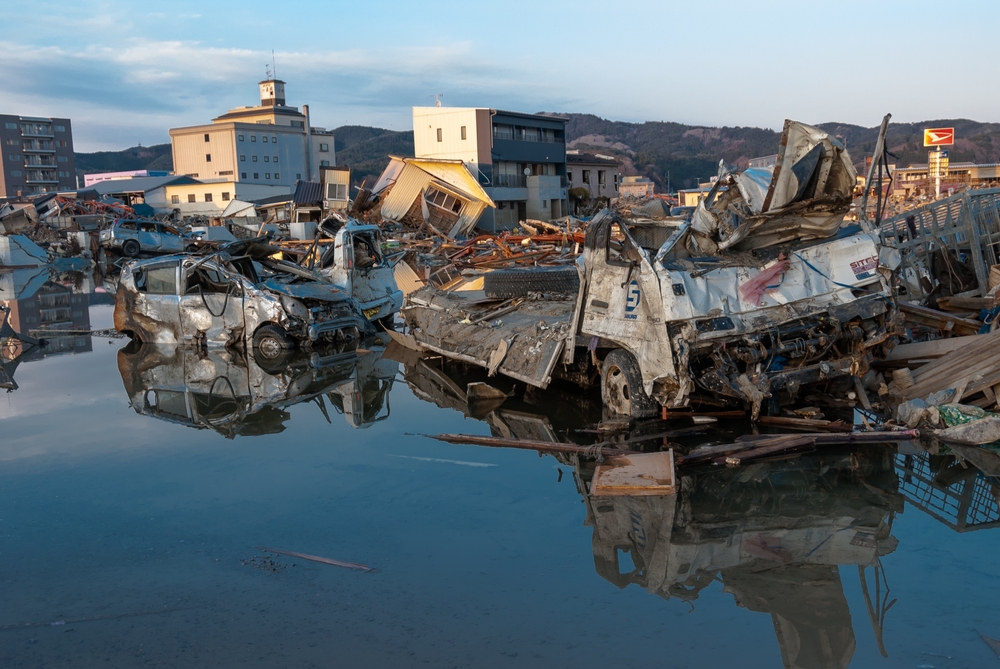
When a powerful earthquake struck Tunisia, reducing buildings to rubble and turning streets into chaos, a hero emerged on four legs. This wasn’t a firefighter, a paramedic, or a soldier—it was a dog. Without fanfare or headlines, this loyal search-and-rescue canine worked non-stop for 56 hours, sniffing through debris, navigating sharp concrete edges, and pulling one survivor after another from certain death. In that grueling span of time, this dog saved 40 human lives, each a testament to its unyielding resolve and connection to those in need.
The dog’s story isn’t just heartwarming—it’s soul-shaking. When it finally collapsed, not from injury but from sheer exhaustion, it symbolized more than heroic service. It reminded us what it means to give our all, quietly and relentlessly, without the need for praise. In a world hungry for celebrity and spectacle, this animal offered a different kind of inspiration: humble, selfless, and deeply human in spirit. Here’s what we can take from the life-saving mission of this incredible dog.
A Job That Calls for Heart Over Headlines
Search-and-rescue dogs are trained professionals, but their instincts often take them beyond human limits. In Tunisia, while sirens wailed and machinery roared, this dog moved silently and swiftly through the wreckage. It didn’t stop for food or rest, driven instead by the smell of life buried beneath stone. Each discovery was a whisper of hope in a deafening sea of despair.
Handlers often say these dogs don’t just do their jobs—they feel them. Their work is a mix of physical endurance, deep emotional attunement, and an unspoken commitment to serve. This dog responded not out of obligation but out of loyalty, its own sense of purpose guiding every step. For 56 hours, it became the embodiment of what compassion looks like when words fail.
There’s also something spiritually moving in how these animals show up in crises. They don’t need motivation speeches or medals. They simply act. The absence of ego, the purity of intent—these qualities transform them into silent teachers. When this dog lay down and finally gave in to sleep, it wasn’t just fatigue. It was the natural close of a mission completed with grace.
Beyond Breed: Why Canine Instinct Still Surpasses Our Tools
With all our technology, it’s still often dogs who find us first. This is not a romantic notion but a reality proven in disaster zones worldwide. Their sense of smell, which can detect human scent through concrete and dust, surpasses the capability of most machines. Their agility allows them to reach spaces even small drones can’t access. But more than their physical tools, it’s their empathy that sets them apart.
During rescue operations, dogs will sometimes refuse to leave a site if they believe someone is still alive below. This is not behavior that can be fully taught. It’s a kind of intuitive knowing—a communion of breath and energy that machines simply can’t replicate. This dog’s story in Tunisia isn’t just about its scent work; it’s about the invisible lines it crossed to connect with human lives, pulling them from death into life.
In a crisis where everything is broken, these dogs offer a kind of coherence. They restore rhythm in chaos, bridging silence and sirens, despair and survival. They work as extensions of the human spirit, reminding us that love, loyalty, and grit can show up in fur and paws as much as in uniforms and boots.

The Emotional Cost of Relentless Service
Just like humans, working dogs face burnout, stress, and trauma. The 56 hours of nonstop work took its toll. The dog didn’t collapse dramatically or yelp in pain. It simply curled into itself and slept, finally allowing the body to rest after the soul had completed its calling. It’s the kind of exhaustion only those who’ve poured themselves fully into a task can understand.
Handlers know this emotional cost well. They describe moments when dogs resist leaving a site even after it’s cleared, as if unwilling to believe the job is done. There’s a grief that settles in when lives are lost, and dogs, attuned as they are to human emotions, carry that weight too. Compassion fatigue is not exclusive to people; animals feel it too, especially those who serve.
When we talk about the bravery of such dogs, we must also consider how to care for them afterward. Recovery matters. Rest matters. The dog in Tunisia might not have medals, but it deserves the deepest kind of reverence—and a long, gentle retirement filled with love, warmth, and care.
Lessons from the Rubble: Humanity in Four Legs
What can a rescue dog teach us about ourselves? Everything. This dog didn’t need recognition to do what it did. It didn’t discriminate or pause to consider the worth of those it saved. It simply searched and saved, again and again. That kind of dedication challenges us to ask how often we show up with the same selflessness in our own lives.
Whether you’re caring for an aging parent, supporting a friend through crisis, or volunteering time without applause, you are doing the human equivalent of search-and-rescue. And like the dog, you may not get headlines. But every life touched matters. Every quiet act of devotion ripples out in ways we can’t always measure.
In a world that often moves fast and forgets easily, this story holds us still. It asks us to reflect on what it means to care so deeply that you would give everything—even your last ounce of energy—to save another.
Rest Is Sacred: Even Heroes Sleep
When this dog finally lay down, its chest rising and falling in rhythm with the quiet aftermath, it wasn’t just sleeping. It was offering a final lesson. That after endurance comes pause. That even those who give their all need a space to recover. Sleep, for this dog, was not weakness. It was peace.
We often glorify hustle and sacrifice, but this moment reminds us that rest is sacred. Especially for those who carry the burdens of others. This dog saved 40 lives. But in resting, it saved one more: its own. It reminds us that service is not a race; it’s a rhythm. A balance of giving and receiving.
You don’t need to be in an earthquake zone to apply this wisdom. In your daily life, give generously, yes. But also sleep deeply. Breathe often. Let your rest be as intentional as your service. Because even heroes need to dream.
