
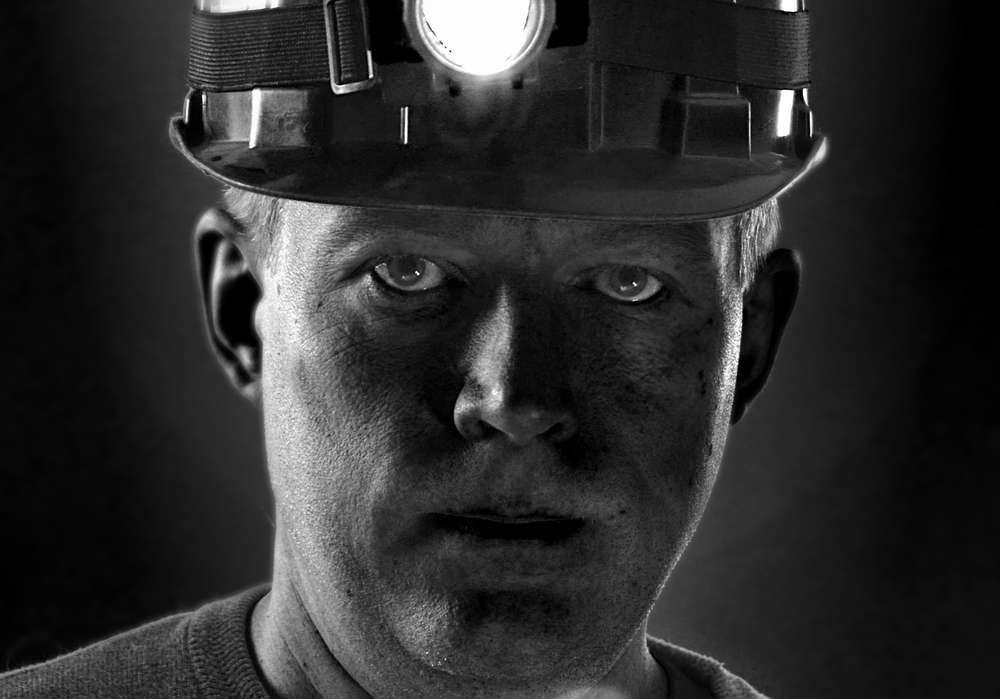
In some regions of the world, children still enter the workforce at an age when education should be their primary focus. Mining, in particular, remains one of the sectors where economic hardship can push minors into hazardous labor. In rural China, one such case gained national attention: a boy who began working underground at age 12 later earned a PhD in mining engineering. Known publicly as “Coal Miner No. 3,” his journey offers insight into the intersection of economic necessity, education, and workplace safety in high-risk industries.
His progression from child laborer to academic researcher was not the result of sudden opportunity but of incremental steps that combined formal education with sustained work experience. Over time, he developed expertise in Tunnel Boring Machine technology, which is increasingly recognized as a method to reduce both the physical dangers and health risks associated with underground work. His story has been widely shared in China, not only as a personal achievement but also as an example of how technical knowledge can be applied to improve occupational health and operational efficiency in mining.
Early Life and Work in the Coal Mines
At age 12, a boy from rural China, now known publicly only as “Coal Miner No. 3,” began working underground alongside his father in a coal mine. The family’s financial situation left few options—income from his father’s work and occasional odd jobs was not enough to support schooling without interruption. His mother managed the household while he split his time between studying and contributing to the family income. Working in the mines at such a young age exposed him to long hours, hazardous conditions, and the physical strain common in manual labor. It also gave him direct insight into the economic pressures faced by mining families, where immediate earnings often take priority over long-term educational goals.
Throughout his teenage years, he continued attending school but worked whenever possible, taking on physically demanding jobs as a construction worker, cook, waiter, and miner. These roles were not intended as a career path but were necessary to cover living expenses and eventually pay for education-related costs. His daily schedule often left little time for rest, but he viewed work as a non-negotiable requirement rather than a temporary inconvenience. At 17, he took China’s national college entrance exam, the gaokao, but did not achieve a qualifying score. He spent the following year preparing for a second attempt while continuing to work, and at 19, he was accepted into a vocational college to study geological engineering. The decision to enter this field was shaped by his familiarity with mining operations and his understanding of the industry’s risks and opportunities.
This move into higher education marked a turning point. It represented a shift from physically intensive labor toward the possibility of applying technical knowledge to mining in a way that could improve safety and efficiency. However, his early exposure to the challenges of underground work continued to influence his perspective, and later, his academic research would focus on addressing those very conditions.

Education and Practical Training
After entering vocational college to study geological engineering, “Coal Miner No. 3” combined academic work with ongoing employment to cover his expenses. His education did not follow the traditional path of uninterrupted study; instead, it was interspersed with part-time and seasonal work. This included jobs unrelated to his field, such as cooking and waiting tables, as well as mining-related work that provided practical knowledge. His determination to apply his education to real-world conditions became evident when he entered postgraduate studies. He spent over a year at the Tashan Coal Mine in Shanxi province, where he lived on-site and participated in a mining engineering project. This direct exposure to field operations helped bridge the gap between classroom learning and practical application. Later, as a PhD student, he spent another year in the Xinjiang autonomous region conducting fieldwork in challenging environmental and logistical conditions. These experiences not only built his technical skills but also informed the focus of his research, which centered on technologies that could improve safety and efficiency in underground construction.

Personal Support Networks
Although self-discipline played a key role in his progress, “Coal Miner No. 3” frequently acknowledged the impact of personal support. One significant figure during his studies was his roommate, Zhang Yan, who provided assistance during financially difficult periods. Zhang gave him his first mobile phone and shared clothing when resources were scarce. These practical contributions reduced some of the pressures that could have otherwise interrupted his studies. In his late twenties, he met his current partner, who he described as a source of stability and encouragement. He also credited her parents for their support during critical phases of his education. In addition, he expressed ongoing appreciation for his parents, whose approach to work and family shaped his values. While their financial resources were limited, their consistent work ethic and sense of responsibility influenced the way he approached both education and professional challenges.
Doctoral Research and Professional Impact
The culmination of his academic path came with his doctoral research at Beijing University of Technology, where he specialized in Tunnel Boring Machines (TBMs). These machines are widely used for constructing underground tunnels, water conveyance systems, and power infrastructure. TBMs can significantly reduce the physical risks miners face compared to traditional drilling and blasting methods. His research aimed at optimizing TBM performance, focusing on improving efficiency while maintaining or enhancing safety standards. This work was directly relevant to industries such as mining, civil engineering, and infrastructure development. Because his expertise was grounded in both practical mining experience and advanced technical knowledge, his findings carried particular weight for engineers and policymakers looking to modernize underground construction methods. His decision to keep his identity private was linked to the sensitivity of his research and professional work, but his story still attracted widespread attention on Chinese social media, where it was viewed millions of times.
Education and Occupational Health in High-Risk Industries
The path taken by “Coal Miner No. 3” highlights the role of education not only in career advancement but also in improving occupational health outcomes. Mining is among the most hazardous professions globally, with risks including respiratory diseases such as pneumoconiosis, musculoskeletal injuries, and accidents related to tunnel collapses or equipment failure. According to the International Labour Organization, miners face a higher rate of workplace injury than most other sectors, making safety innovations essential. His work on Tunnel Boring Machines addresses one of the most effective ways to reduce risk—mechanizing processes that traditionally require direct human exposure to unstable geological environments. Research from the International Tunnelling and Underground Space Association indicates that TBM use can significantly lower accident rates compared to conventional drilling methods.
By linking academic research with field application, he has contributed to the body of knowledge on how engineering solutions can reduce physical strain and exposure to harmful conditions. This model—combining firsthand experience, formal technical training, and targeted innovation—demonstrates how professionals in high-risk fields can use education to directly improve workplace safety. Beyond mining, the same approach is relevant to construction, manufacturing, and other industries where technological adoption can both improve productivity and protect worker health. The lesson is clear: advancing technical expertise in these environments is not only a career benefit but also a measurable contribution to public health and worker well-being.
