
What if a single post on social media could move thousands of strangers into action? What if one child’s quiet wish could echo loud enough to be heard across countries?
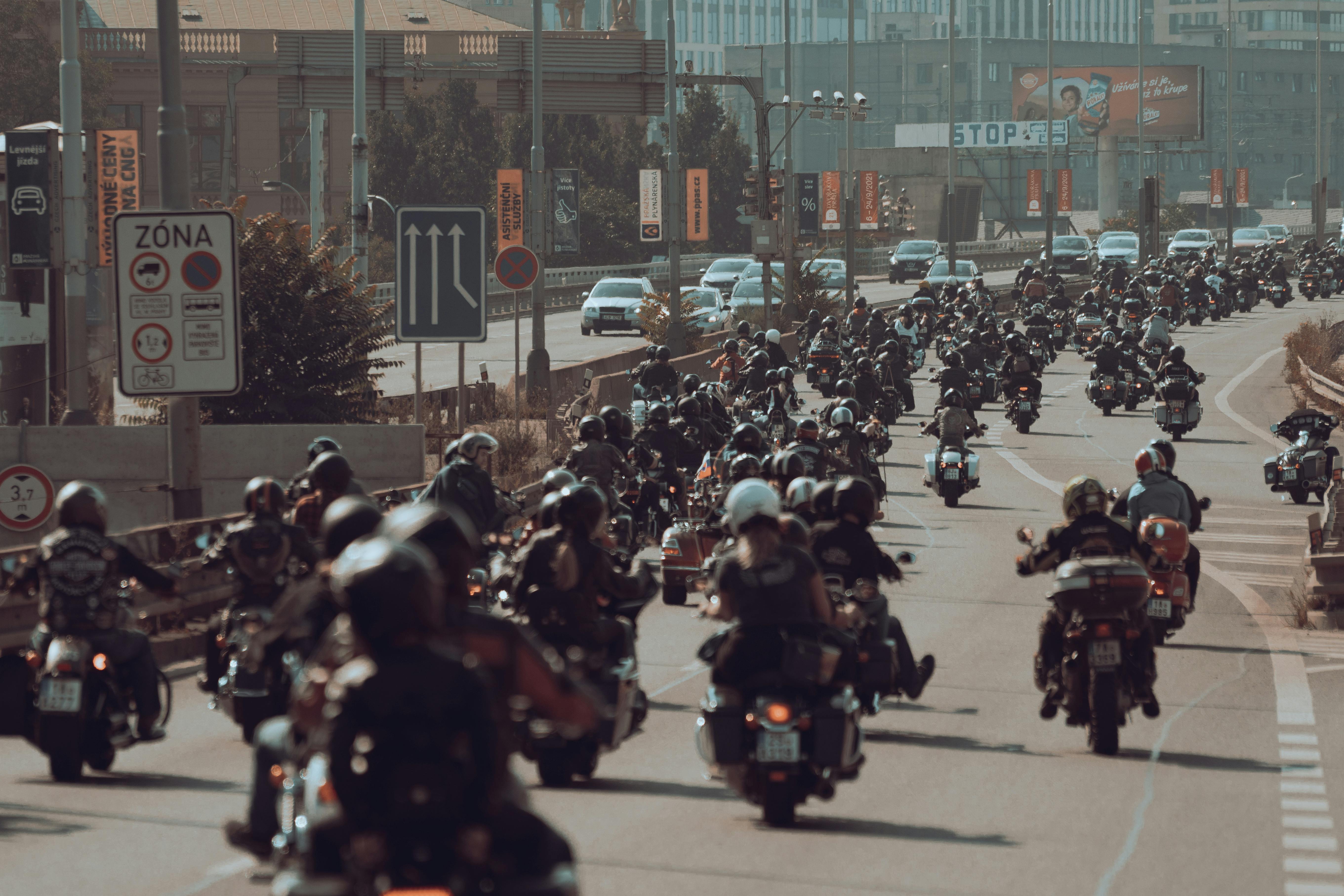
In 2021, a six-year-old boy in Germany, facing the final stages of terminal cancer, made a simple request. He didn’t ask for gifts, fame, or a trip to Disneyland. He just wanted to hear the roar of motorcycles outside his home the sound he loved most. His family reached out online, hoping a few local bikers might ride by and make some noise. What followed wasn’t a small favor. It was an overwhelming wave of human connection: 15,000 motorcyclists rolled into the town of Rhauderfehn to grant his wish.
This wasn’t a publicity stunt or a fundraiser. It wasn’t part of a branded campaign. It was people ordinary people showing up.
Behind the noise and engines was something quieter but far more powerful: compassion, grief, love, and the human need to feel useful in the face of something heartbreaking. Stories like this aren’t just heartwarming they reveal something essential about how we connect, how we respond to suffering, and how small gestures can grow into something unforgettable.
A Boy’s Wish and a Community’s Response
In July 2021, six-year-old Kilian Sass from Rhauderfehn, a small town in northern Germany, was nearing the end of his battle with terminal lymphoma. Kilian wasn’t just a typical kid facing an unimaginable diagnosis he was also a motocross enthusiast. He loved motorcycles, the sound of engines, and the thrill of watching them tear down roads. So when his condition worsened, he told his family he had one last wish: to see bikers ride past his house and make some noise.
It wasn’t a grand request. His parents figured they could gather 20 or 30 bikers, maybe some from the local club his father belonged to. They posted the request online, hoping a few riders might show up.
They underestimated the power of community.
On July 24, around 15,000 bikers from across Germany and neighboring countries arrived in Rhauderfehn. The event, which started around 12:30 p.m., took more than three hours to complete. Riders passed Kilian’s house in a steady stream stretching for nearly four miles. The local police, who helped coordinate the event under the hashtag #KrachfürKilian (Noise for Kilian), confirmed the turnout and the timing.
The reaction from riders was deeply personal. Markus Kruse, one of the event’s organizers, said, “I have goosebumps all over my body. We never expected so many people to come.” One rider, Kim Hansen, traveled more than 370 miles to be there. “I’ve lost a six-year-old son myself,” she said. “I know how it must feel for the parents.”
Kilian sat outside in his wheelchair, watching the seemingly endless wave of motorcycles. He smiled and waved. According to Ralf Pietsch, a family friend and one of the volunteers, “He can’t get the smile off his face. In his little world, he’s totally celebrating the event.”
Verified reports, including from German police and local news outlets, confirm the authenticity of the rally. While some viral videos misleadingly spliced footage from a different motorcycle parade in Brazil, the scene in Rhauderfehn was real and far more moving than any viral exaggeration.
Kilian passed away a few weeks later. But in those final days, he got something many don’t: to feel joy, to feel surrounded, and to know that thousands of people cared enough to show up.
The Power of Human Connection in Times of Crisis
There was no nonprofit organizing behind Kilian’s rally. No official campaign, no sponsor logos, no crowdfunding drive. It started with one family’s online post and ended with thousands of strangers turning a small request into a full-scale tribute. What unfolded was a powerful reminder of how people still show up for each other, especially when it matters most.
In a digital world often associated with outrage and misinformation, this was something else entirely. The post didn’t go viral because of celebrity endorsements or paid promotion. It spread because the story touched something human: a dying child, a heartfelt wish, and a need to do something no matter how small to help.
Acts like these aren’t about spectacle. They’re about connection. When people feel helpless in the face of suffering, many don’t retreat they act. Psychology backs this up. Studies show that even minimal exposure to another person’s pain, especially that of a child, activates strong emotional and behavioral responses. It’s known as “empathic concern,” and it’s one of the biggest predictors of compassionate action.
Social media, for all its flaws, has become a catalyst for spontaneous empathy. It shortens the distance between people. You can live three hours away, or in another country, and still decide to ride your bike through a small town for someone you’ve never met. You don’t have to know Kilian to want to honor his love of motorcycles. You just have to care.
The story also reveals something about how people respond when traditional systems healthcare, social support, end-of-life care can’t offer enough emotional closure. People often step in to fill those emotional gaps through shared ritual. The riders weren’t just putting on a show; they were offering presence, solidarity, and the kind of comfort that institutions can’t replicate.
No one who rode that day expected thanks. They weren’t there for attention. They were there because something about Kilian’s story made them feel it was the right thing to do. And that kind of instinctive, unprompted response? That’s not fluff. That’s human connection at its clearest.
The Reality of Childhood Cancer Beyond the Headlines

It’s easy to focus on the emotional high of a story like Kilian’s. But behind the moving scenes of roaring motorcycles and community support is a harder truth: childhood cancer is not rare, and it remains one of the deadliest diseases affecting children worldwide.
Kilian was diagnosed with lymphoma, a cancer that begins in the lymphatic system the network of tissues and organs that help the body fight infection. While lymphoma is treatable in some cases, aggressive or late-stage forms, especially in young children, can be devastating. For Kilian, the diagnosis came in January 2021. Within months, it was clear that his illness was terminal.
According to the World Health Organization, cancer is the leading cause of death by disease in children globally. The Olivia Caldwell Foundation reports that 91,250 children die of cancer each year an average of one child every minute. In the United States alone, more than 15,000 children are diagnosed with cancer annually, and over 2,500 die from it. That doesn’t include the millions more worldwide who lack access to timely diagnosis, treatment, or supportive care.
These numbers don’t get the same attention as adult cancer statistics, but the toll is immense. For families, the emotional, physical, and financial strain of childhood cancer is often overwhelming. Parents become full-time caregivers. Siblings are sidelined. Work gets put on hold. Life narrows to hospital visits, medication schedules, and medical updates.
And then there’s the isolation. Many families dealing with a terminal diagnosis withdraw from social circles. Friends don’t always know what to say. Support systems shrink. The outside world keeps moving, while theirs slows down sometimes to a complete stop.
This is why moments like Kilian’s biker rally stand out. Not because they erase the pain, but because they break the isolation. For a few hours, the noise wasn’t about illness it was about life, connection, and celebration of something he loved. That matters more than most people realize.
What This Teaches Us About Grief, Legacy, and Support

Grief isn’t always loud. It doesn’t always look like tears or memorials. Sometimes, it looks like 15,000 motorcycles riding through a town, not in mourning, but in celebration of a child’s final wish.
Kilian Sass didn’t live long, but the impact of his story did. In the short window between his diagnosis and death, his love for motorcycles became a way for others to connect with him and with each other. For his family, the rally wasn’t just about honoring Kilian’s interest; it became a moment of shared remembrance while he was still alive to feel it.
That matters. Because when someone is terminally ill, especially a child, people often wait until after death to say something meaningful. But support shown before the end carries a different kind of weight. It can shift the narrative from helplessness to celebration, from passive waiting to active presence.
The riders who showed up didn’t just fill a road they filled a need. They offered Kilian and his family something few people facing terminal illness get: public, visible support in real time. They didn’t need to solve anything. They just needed to show up.
This is the kind of gesture that redefines legacy. Kilian’s life was short, but his story now lives in the memories of thousands who rode for him and in the people who saw what compassion looks like without ceremony or obligation. His rally wasn’t just a farewell. It was a community choosing to meet a child in joy, not just in sorrow.
For Parents, Friends, and Strangers What You Can Do

You don’t need to be part of a 15,000-person motorcade to make a difference in the life of a child or family facing a terminal illness. Most people won’t get that kind of viral attention. But small, intentional actions can be just as meaningful especially when they’re grounded in real support instead of well-meaning clichés.
1. If You’re a Friend or Acquaintance: Be Present, Not Perfect
Don’t worry about finding the right words. Focus on showing up. That could mean checking in regularly, offering rides to appointments, or simply sitting with someone who needs company. Avoid vague offers like “Let me know if you need anything.” Be specific: “Can I bring dinner on Thursday?” or “I’m free this weekend if you need a break.”
Skip the inspirational quotes and unsolicited advice. Terminal illness is not a teachable moment it’s a deeply painful experience. What families need most is honest, judgment-free support.
2. If You’re a Stranger Who Wants to Help: Start Local
You don’t need to know the person to help. Many families post public calls for support through local news, Facebook groups, or community forums. Look for verified initiatives in your area rides for terminally ill children, home renovation projects for families in crisis, or donation drives for uncovered medical costs.
Some established organizations that support children with cancer and their families include:
- Make-A-Wish Foundation
- St. Jude Children’s Research Hospital
- The Olivia Caldwell Foundation
- Alex’s Lemonade Stand Foundation
If you want to offer something tangible, make sure it’s useful. Gift cards, meals, and fuel vouchers often go further than flowers or teddy bears.
3. For Parents of Children Facing Serious Illness: Ask for Help Early
Many parents hesitate to ask for support, worrying about burdening others or not knowing what to ask for. Don’t wait. People often want to help but aren’t sure how. Be clear, and don’t apologize for needing assistance whether that’s a ride, a distraction for siblings, or just someone to talk to after a rough appointment.
Sharing your story, even briefly, can sometimes trigger the kind of community response Kilian’s family experienced. It may not go viral but that’s not the goal. The goal is connection. Even a dozen people showing up can make a hard day more bearable.
4. If You’re Organizing a Gesture or Event: Keep It Grounded
Before you plan anything public, check with the family. Their needs, boundaries, and energy levels should guide everything. Avoid turning a sick child’s story into a spectacle. The point is to make them feel seen and cared for not put on display.
Coordinate with local officials or community leaders if the event will involve traffic or large groups. Keep communication clear and expectations realistic.
Why Stories Like Kilian’s Still Matter
Kilian Sass didn’t live long but in his final weeks, he reminded the world of something too easily forgotten: people still care, and they’re willing to act when given the chance.
The 15,000 bikers who showed up weren’t looking for recognition. They weren’t following a trend or campaign. They simply heard a boy loved motorcycles and didn’t have much time left and they decided to ride. That choice, repeated thousands of times by strangers, turned into something unforgettable.
Stories like this don’t erase the harsh realities of illness, loss, or grief. But they do remind us that even in the middle of heartbreak, small acts of solidarity matter. One child’s simple wish became a moment of collective humanity.
If you’re reading this, you don’t need to wait for a viral post to take action. Someone in your community is struggling right now with illness, with caregiving, with grief. You don’t need to fix it. You just need to show up, ask what helps, and follow through.
Empathy doesn’t require a crowd. It only needs intention.
